


_1782098484336.webp)
Fertilizer Manufacturing Equipment: List, Functions, and Complete Plant Setup Guide for Beginners
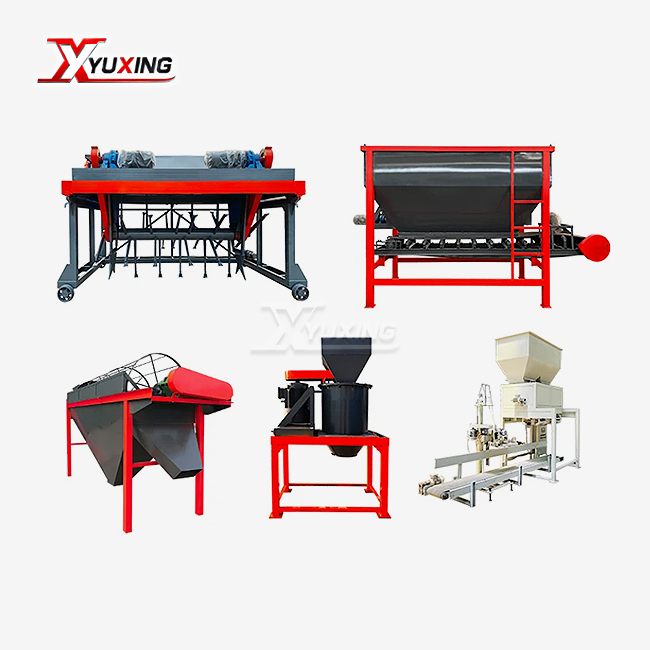
Starting an organic fertilizer plant turns waste from farms into money and helps the environment at the same time. Understanding fertilizer manufacturing equipment is the key to running a profitable business. This large collection of machines includes composting turners, crushers, mixers, granulators, dryers, coolers, screening machines, and packaging systems. Each of these machines does a specific job in turning organic waste like animal manure, crop residue, and food waste into fertilizer products that can be sold and meet quality standards and government rules.
Understanding Fertilizer Manufacturing Equipment: Types and Functions
To put together a full line for making organic fertilizer, you need to know what each machine does and how they all connect. The fertilizer manufacturing equipment you choose has a direct effect on how much you can make, the quality of your products, and your operating costs.
Composting and Fermentation Equipment
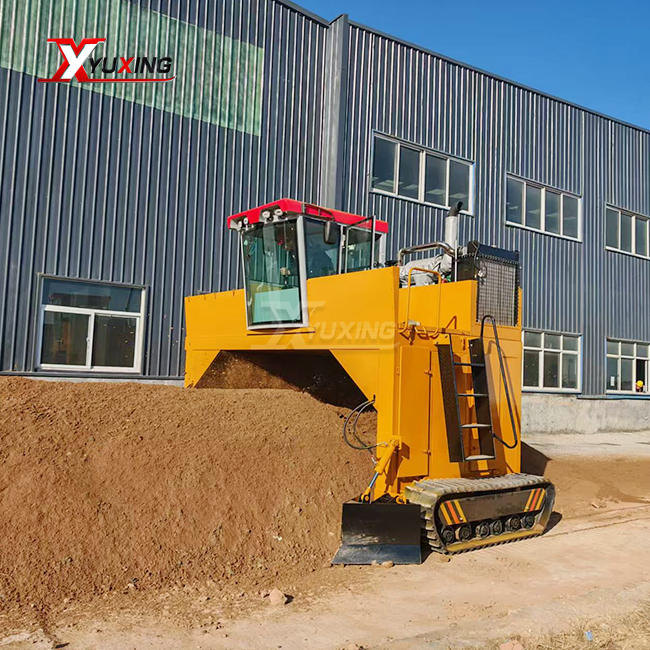
During the fermentation stage, aerobic decomposition of organic waste turns it into stable compost. During this very important phase, compost turners do most of the work. The YXYYFD-3500 Fully Hydraulic Compost Turner is an example of industrial-grade fermentation machinery made for medium-sized businesses. This machine can handle piles that are up to 3.6 meters wide and up to 1.8 meters high, and it can process up to 1,500 cubic meters of material per hour. The six-cylinder hydraulic system gives it a lot of power for turning thick materials, and the 360-degree in-place turning feature lets it do a thorough job of airing without having to move. The steel tracks made just for excavators keep the machine stable on different types of ground, and the engineering-grade cab with air conditioning makes working during long shifts easy.
One great thing about hydraulic-driven turners is that they can work with materials with particles up to 250 mm in size without first crushing them. This is especially helpful when handling fibrous farm waste or partly decomposed manure. The drum has more than 28 fixed blades and 4 rake blades. The hard alloy wear-resistant surfaces are rated at HRC55 hardness, so they will last even when working with rough materials. This equipment is CE and ISO certified, which means it meets international quality standards. It also comes with free expert help for life.
Material Processing and Preparation Equipment
The raw materials that are used to make fertilizer rarely arrive in perfect shape. To make equal material, crushers break up big clumps and oversized particles. Semi-wet material crushers work best with organic materials that are very wet and would get stuck in a regular hammer mill. The chain and blade design of these machines cuts through sticky, wet materials without getting stuck.
Mixers make sure that all of your product's nutrients are spread out evenly. Horizontal ribbon mixers and double-shaft paddle mixers mix different kinds of organic materials, moisture regulators, and microbes to make batches that are all the same. The right way to mix keeps nutrients from separating and makes sure that the quality of the product stays the same, which is important for earning customers' trust and meeting certification standards.
Granulation and Shaping Systems
Granulation is the process of turning powders or mixed materials into pieces or grains that are easier to move, work with, and handle. For different output goals, different granulation methods work best. Disc granulators make spherical pellets by using centrifugal force and rolling action. The angle and rotation speed can be changed to change the granule size. Rotary drum granulators can handle larger loads and work best with materials that naturally stick together. New types of organic fertilizer granulators use a wet granulation method that can handle materials with more moisture without needing to be dried out for a long time first.
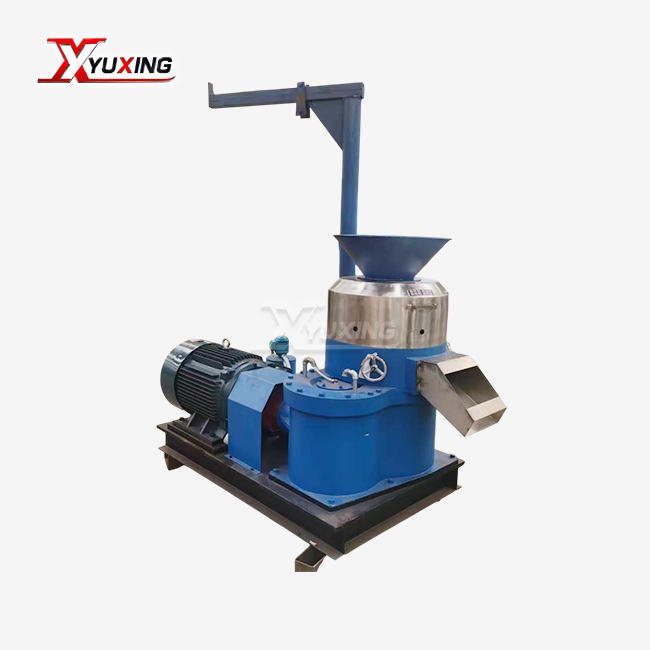
Extrusion granulators use pressure to push material through die openings, making uniform pellets that are shaped like cylinders. For materials that don't naturally ball up, this method works well. It makes thick, long-lasting crystals with little dust. This depends on the properties of your raw material, the size of the granules you want to make, and the amount of granules you want to make.
Drying and Cooling Equipment
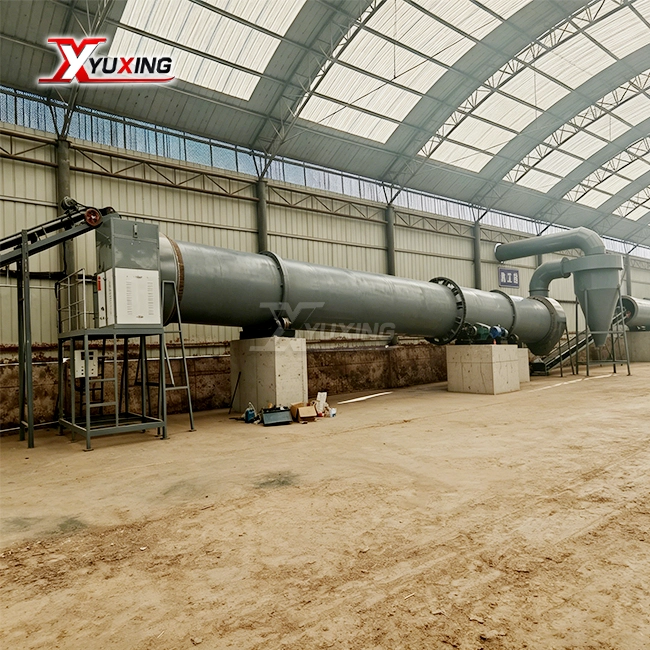
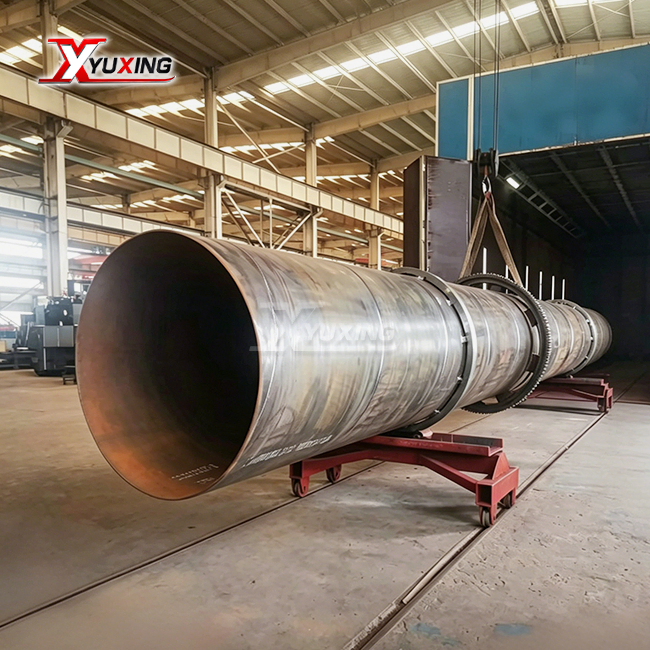
Newly formed granules have too much water that needs to be taken away to make products that are stable and can be stored. Rotary drum dryers get rid of water by moving hot air through a rotating cylinder. Design makes a big difference in how energy-efficient something is. Look for models with insulated drums and heat recovery systems that reuse heat from exhaust. Once the product is dry, cooling devices bring it down to a temperature close to room temperature before it is packaged. Proper cooling keeps bags from condensing with water, which extends their shelf life.
Screening and Quality Control
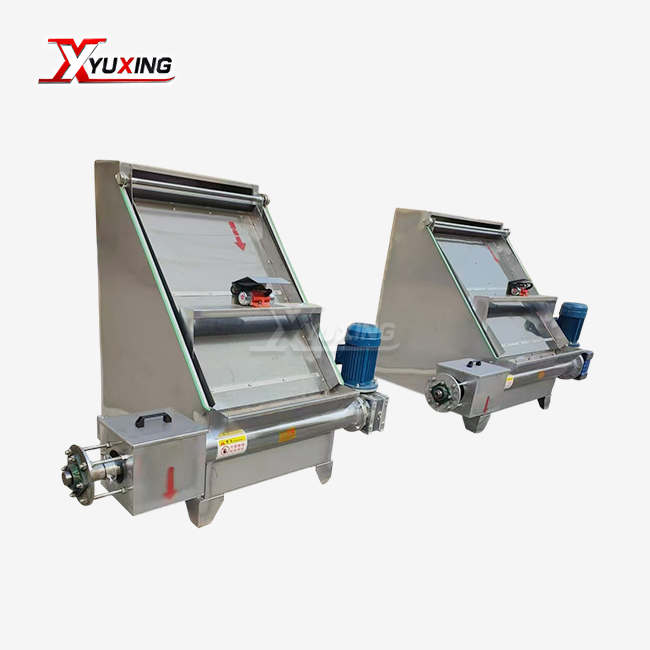
Screening machines separate granules of the right size from particles that are too big or too small in fertilizer manufacturing equipment. Products are put into different size groups by rotary drum screens or moving screens. The bigger pieces are sent back to the breakers to be processed again, and the smaller fines are sent back to the granulation step. This closed-loop device keeps product specs and maximizes yield.
Complete Fertilizer Production Process and Plant Setup Guide
You need more than just tools to set up an organic fertilizer business. You also need a clear process for moving materials from waste to finished product.
Process Flow Design
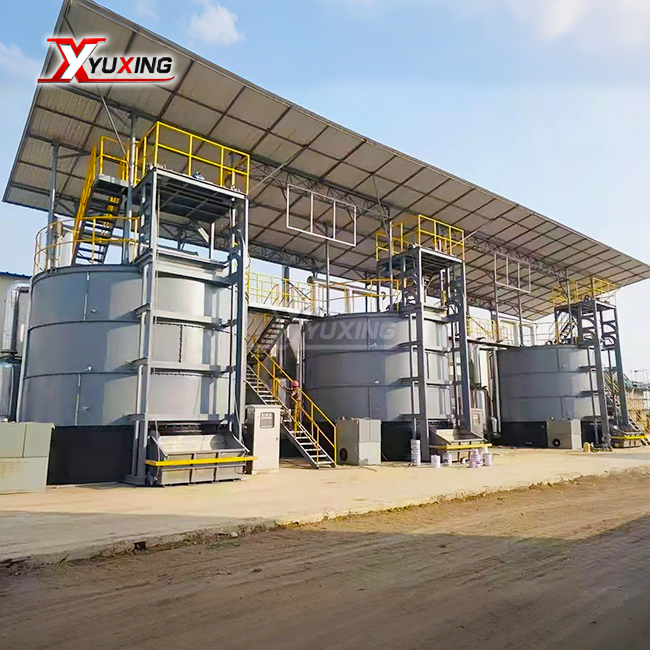
The usual production process starts with receiving and storing the raw materials. Covered storage places keep things dry in case it rains and let fermentation start in a controlled way. Then, the materials are moved to the composting area, where turners slowly air out the piles over 15 to 30 days, based on the type of materials and the temperature of the area. Monitoring the temperature makes sure that the microbes are working properly. For pathogens and weed seeds to be killed, the pile temperature needs to be between 55°C and 65°C for composting to work.
After fermentation, the materials are broken down and mixed. In this step, any extra nutrients are added, the moisture level is adjusted, and the feed for granulation is made. The grinding section makes pellets, which move through a drying and cooling section before being screened. Automated systems bag and stack finished goods so they can be stored in warehouses or sent directly to customers.
Plant Layout Considerations
Efficient plant design cuts down on the distance needed to move materials and sets up logical flow patterns. To deal with smell issues, put the fermentation area away from living areas and upwind of businesses. Covered fermentation sheds with biofilters or cooling systems help keep emissions in check and keep operations dry in bad weather. The processing building should have enough space for the equipment to be serviced easily. For example, the YXYYFD-3500 needs a door height of 2 meters when the drum is raised and a door width of 3.5 meters for access.
Power infrastructure needs to match the needs of the equipment. Our equipment can work with different voltage standards, such as 380V, 440V, and 480V, so it can be adjusted to work with local power systems. Figuring out how much power all of the tools will need helps you choose the right size transformers and backup generators. Medium-sized plants usually need between 200 and 500 kW of installed power.
Automation and Control Systems
More and more, modern production lines use PLC-based technology to keep an eye on and change settings in real time. Compost piles with temperature sensors can automatically start turning cycles. At the mixer stage, moisture meters make sure that the input to granulation is always the same. Automated methods for weighing and bagging cut down on the cost of labor while increasing accuracy. These systems collect data on production that helps find problems and make things run more smoothly. Remote monitoring lets operators check on the status of equipment and get maintenance alerts from anywhere, which cuts down on downtime.
How to Select the Best Fertilizer Manufacturing Equipment for Your Business?
Getting the right fertilizer manufacturing equipment for your plant will determine whether it makes money or has problems with quality and breakdowns. Several things need to be carefully looked at.
Production Capacity and Scalability
Match the capacity of your equipment to the amount of raw materials you have access to and the demand from your target market. When you over-specify capacity, you waste money and raise operating costs. When you under-specify capacity, you slow down production. The YXYYFD-3500 compost turner can handle 1,500 cubic meters of material per hour, suitable for operations handling up to 30,000 to 50,000 tons of raw materials per year. Figure out what you need based on how much of the stuff you can actually get. A lot of new businesses mistake how much waste they can regularly get.
Modular equipment design lets it grow in stages. Starting with packing by hand and then adding automatic systems later spreads out the cost of the investment over time as sales rise. Choosing equipment from manufacturers who offer compatible capacity ranges simplifies future upgrades.
Equipment Durability and Maintenance Requirements
Organic things wear away and corrode. Equipment has to be able to handle being exposed to water, acids, and dust all the time. Building something out of stainless steel or using special coatings can make it last longer in tough settings. Because they are HRC55 hard, the wear-resistant drum cutters on our compost turner keep working well after thousands of hours of use.
Long-term prices of fertilizer production equipment are affected by how easy it is to do maintenance. Service time is cut down by equipment with bearings mounted on the outside and wear parts that can be changed quickly. Ask potential suppliers if they have the parts you need. If you have to wait weeks for important parts from overseas suppliers, you can't make anything, and your profit margins will go down.
Supplier Reputation and Support Services
Support is just as important as the gear you use. In our 20 years in this industry, we've helped clients in more than 50 countries with all of their work needs. This experience leads to tried-and-true equipment designs that are improved by comments from real-world use. Standard equipment in our inventory is always ready to be sent out right away, but custom configurations usually take 15 to 20 days to make.
Technical support is what separates a smooth start-up from a delay that costs a lot of money. We offer full installation help, operational training, and lifetime expert support through a variety of channels, such as online tutorials and, if necessary, on-site visits. The promise of 7x24 support means that people can get help whenever they need it, not just during business hours. Certification is also important. For example, CE and ISO certifications show that a product meets international quality and safety standards, which is important for export markets and financing approval.
Maintenance Tips and Latest Technology Trends in Fertilizer Manufacturing Equipment
To protect your investment, you need to do regular upkeep and keep up with changes in technology for your fertilizer manufacturing equipment to ensure it works better.
Preventive Maintenance Protocols
By scheduling regular inspections, small problems are kept from growing into big failures. As part of daily checks, wear parts should be looked at, strange noises should be listened for, and the right amount of lubrication should be checked. Checking the tension of the belt, looking at the electrical connections, and cleaning the motors and controls of dust buildup are all things that need to be done once a week. As part of regular maintenance, bearings, gearboxes, and hydraulic systems are carefully checked every month, and fluid samples are taken to look for contamination.
It's important to pay close attention to the hydraulic system on machines like our YXYYFD-3500. Hydraulic oil should be checked every three months and changed once a year, or as directed by the manufacturer. When filters are changed at the recommended times, pollution doesn't hurt the pumps and tanks. The Linde hydraulic pump in this type is known for being reliable, but it needs to be kept clean in order to last as long as its manufacturer says it will.
Track systems need to have their tension checked and their worn pins and bushings replaced on a regular basis. The excavator-grade steel tracks are strong, but working in highly acidic compost environments speeds up wear compared to normal excavator use. Keeping the tracks properly lined and tensioned keeps them from breaking down too soon and lowers the stress on the drive parts.
Emerging Technologies
Costs are going down across the board as the energy economy improves. Motors with variable frequency drives change speed to match the load, which uses 20–30% less electricity than motors with set speeds. Heat recovery systems take dryers' waste heat and use it to warm up new materials before they come in. This saves a lot of fuel.
IoT-enabled tracking tools are yet another big step forward. Sensors all along the production line send information to central screens that keep track of performance metrics, predict when repair will be needed, and find ways to make things better. With these systems, the granulator can add or remove moisture instantly based on the humidity in the air, or the dryer temperature profiles can be changed to match the material's moisture content. This improves the quality of the product while lowering energy waste.
Environmental control technology keeps getting better. Fertilizer processing equipment with biofilter systems can now get rid of smells more than 95% of the time, and improved dust collection with fabric screens meets ever stricter particulate emission limits. These technologies meet regulatory needs and make it easier for people to get along with production facilities.
Conclusion
To run a successful organic fertilizer business, you need to know how the equipment works, plan efficient process flows, choose reliable equipment, and build strong relationships with suppliers. The YXYYFD-3500 Fully Hydraulic Compost Turner is an example of the strong, well-designed machinery that is needed for reliable production in tough situations. Proper maintenance and keeping up with changes in technology are the best ways to make equipment last longer and work more efficiently. Your project will be successful in the growing organic fertilizer market for a long time if you carefully evaluate suppliers based on their experience, ability to customize, and full range of support services.
FAQ
1. What equipment is essential for small-scale organic fertilizer production?
A compost turner, crusher, mixer, and some simple screening tools are all you need to start a small business. At first, bagging by hand is fine. Adding granulation and automated packaging makes production more efficient and increases the appeal of the products.
2. How often should fertilizer production equipment undergo maintenance?
Visual checks are done every day, and thorough checks are done once a week. Manufacturers set schedules for lubrication, which are usually once a week or twice a week. Every month or every three months, major parts are inspected. During yearly maintenance, worn-out parts are replaced, and the system is calibrated. About 80% of fertilizer manufacturing equipment failures can be avoided with regular repair.
3. Can existing production lines be upgraded with automation?
Yes, flexible mechanical parts can be added to systems that are already in place. It is possible to add PLC controls, automated weighing, and monitoring sensors one at a time. We look at the equipment you already have and suggest ways to upgrade that will give you the best return on your automation investment with the least amount of downtime for production.
Partner with YUXING for Reliable Fertilizer Manufacturing Equipment
YUXING has worked on treating organic waste and making fertilizer for more than 20 years and can help you with your project. As a well-known company that sells organic fertilizer manufacturing equipment, we offer full turnkey systems that include everything from fermentation to packaging. Our systems are backed by CE and ISO certifications that are recognized all over the world. Our engineering team offers full support, including designing plants, making sure that equipment meets your specific voltage and certification needs, supervising installations, and offering lifetime technical support 24 hours a day, 7 days a week. We have a history of working with clients in more than 50 countries, so you can be sure that we will be committed to long-term partnership success, whether you need a single compost turner or a full automated production line. You can talk to our team at yuxing@hnyxmachinery.com about your goals for making organic fertilizer and get a full technical plan with clear pricing. With the help of reliable tools and expert advice, we turn agricultural waste into business opportunities that make money.
References
1. Chen, L., and Wang, Y. (2021). Organic Fertilizer Production Technology and Equipment Selection. Agricultural Engineering Press.
2. Rodriguez, M. (2020). "Composting Systems for Large-Scale Organic Waste Management." Journal of Environmental Engineering, 146(8), 04020091.
3. Thompson, R., and Singh, P. (2022). Fertilizer Manufacturing: Processes, Equipment, and Quality Control. Industrial Press.
4. United Nations Food and Agriculture Organization. (2019). Organic Agriculture and Climate Change Mitigation: Equipment and Best Practices. FAO Technical Report.
5. Williams, K. (2021). "Advancements in Composting Machinery and Automation Technologies." Waste Management & Research, 39(3), 445-458.
6. Zhang, H., Li, Q., and Liu, X. (2020). Modern Organic Fertilizer Production: Equipment Configuration and Process Optimization. China Agriculture Press.

USER EVALUATE
Get your tailored fertilizer plant solution — contact us today.