


_1782098484336.webp)
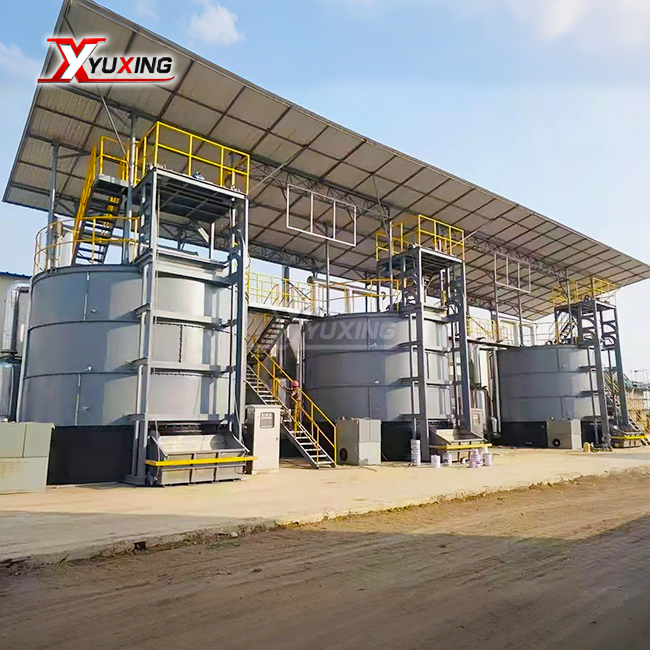
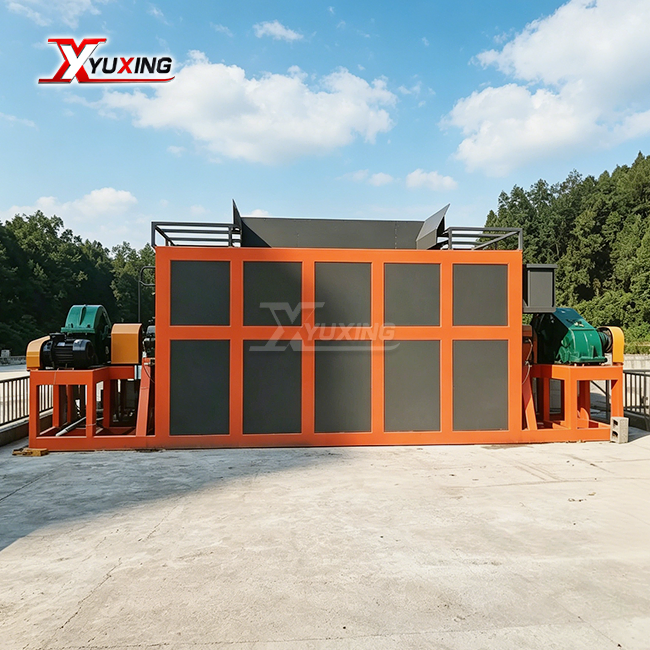
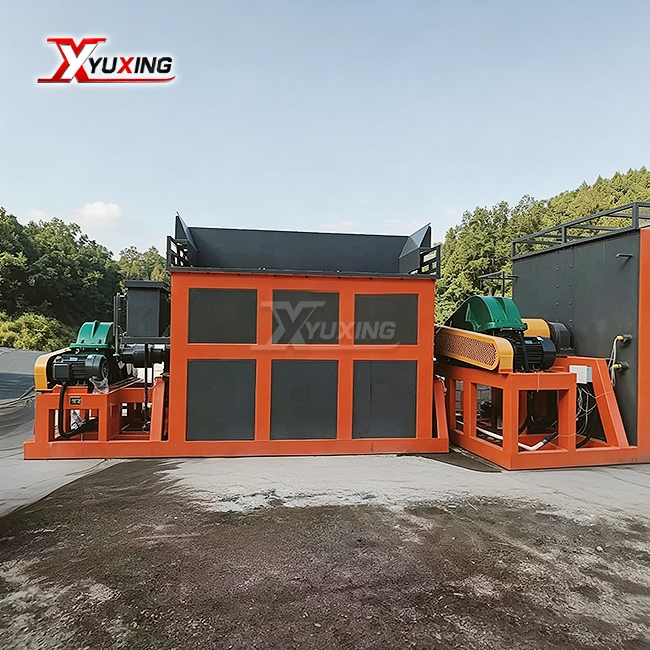
Fertilizer Fermentation Reactor
Product Name: Vertical Aerobic Fermentation Tank
Tank Volume: ≥220m³
Daily Feeding Capacity: 15-20m³
Finished Output: 6-8m³
Total Installed Power: 81kW
Operating Power: Approx. 46kW
Equipment Weight: Approx. 42 Tons
Tank Diameter: 8m
Tank Height: 4.5m
Height With Canopy: 9.2m
Height Without Canopy: 6.2m
Insulation Thickness: ≥53mm Polyurethane
Feeding Hopper Volume: 1.5m³
Control System: PLC + HMI + Remote Control
Power Supply: AC380V 50Hz
Floor Space: 82㎡
- Product Description
Fertilizer Fermentation Reactor: Industrial-Grade Organic Waste Solution
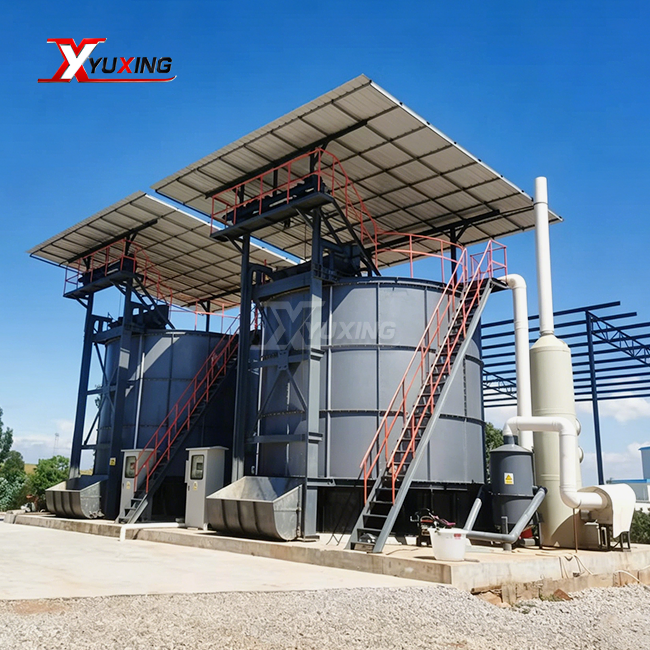
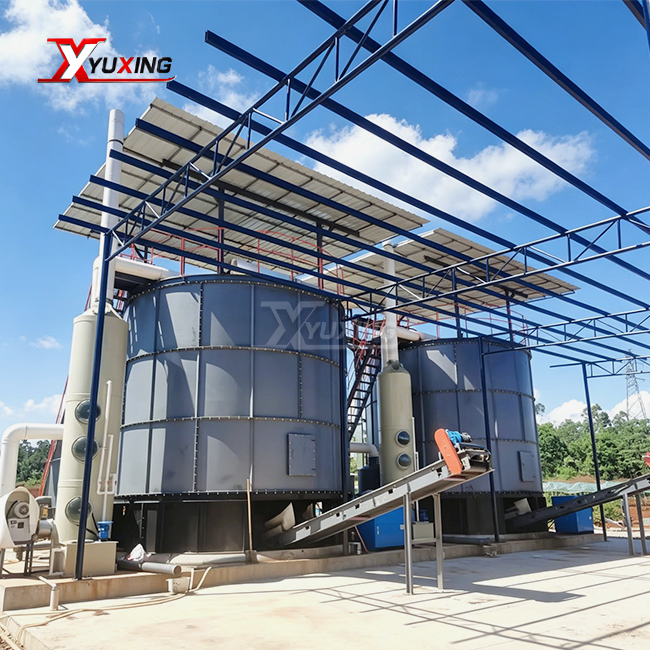
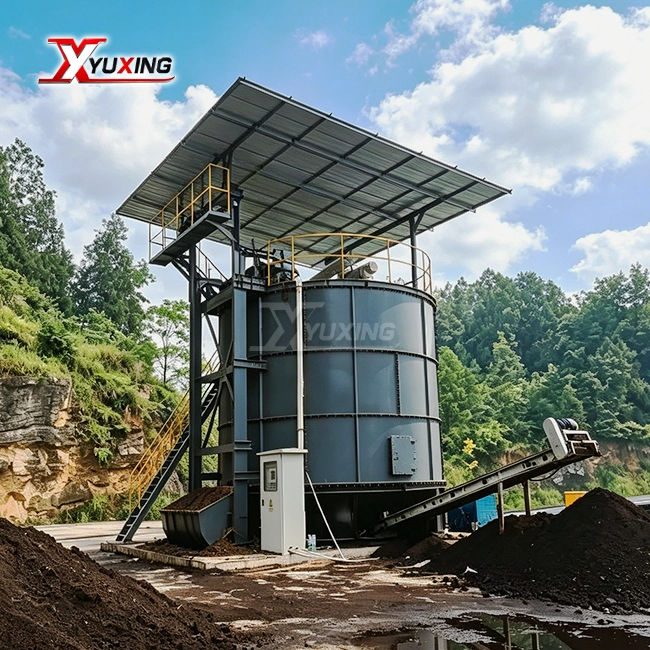
Henan Yuxing's YXFJG-220 Fertilizer Fermentation Reactor Model provides efficient aerobic composting with a 220m³ tank capacity and 15-20m³ daily processing power. This vertical system turns cattle manure, sludge, and food waste into premium organic fertilizer in 7-10 days with 53mm polyurethane insulation and automatic PLC control.
With a footprint of only 82㎡, the reactor saves up to 70% more land than windrow composting. This CE and ISO-compliant device satisfies thermophilic conditions at -20°C with 81kW installed power and integrated odor-neutralization exhaust ports. For intensive agricultural and municipal waste facilities, our 20+ years of fertilizer equipment knowledge and global presence in 50+ countries offer turnkey reliability.
How It Works?
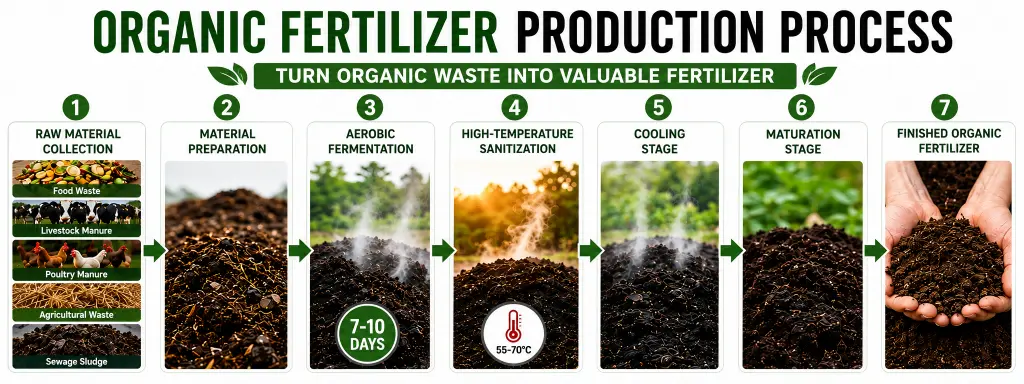
Fertilizer Fermentation Reactor uses a four-phase closed-loop aerobic technique to maximize microbial efficiency.
Phase 1: Automated Feeding
The 1.5m³ hopper receives raw materials. Inside sensors measure 50-65% moisture. The mechanism blends carbon additives before discharging surplus liquid into the main chamber.
Phase 2: High-Temperature Fermentation
Uniform oxygen distribution is achieved by hydraulic stirring every 2-4 hours. Keeping dissolved oxygen over 8% with forced aeration raises core temperatures to 60-75°C. This thermophilic stage kills infections and weed seeds in 72 hours.
Phase 3: Live Environmental Control
The PLC monitors temperature, humidity, and CO₂ levels. As ammonia levels rise, automatic dampers boost air exchange and route exhaust via acid scrubbers. The polyurethane jacket maintains heat in chilly regions.
Phase 4: Discharge and Curing
Mature compost leaves the bottom valve after 7-10 days. Final product moisture stabilizes at 30–35% for granulation or field use.
Key Features and Advantages
Vertical Compact Design
The 8m tower saves 70% floor area over horizontal fermenters. Fits land-constrained urban amenities and expensive industrial zones.
Intelligent Automation
PLC Siemens with 10-inch HMI touchscreen. Smartphone-based remote monitoring. No manual modifications are needed for chicken manure, pig dung, and municipal sludge recipes.
Better Odor Control
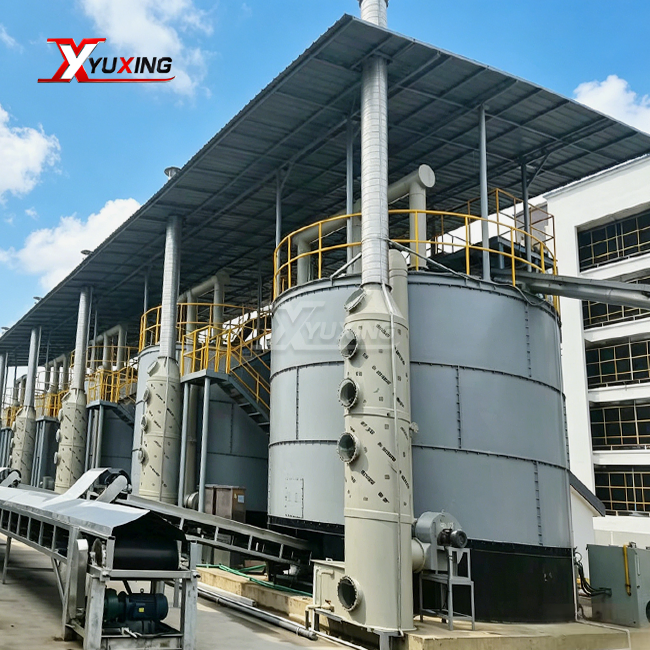
Sealed negative-pressure operation catches all exhaust gasses. Compatible with bio-filter towers and chemical scrubbers for 95%+ VOC and NH₃ removal, fulfilling EU emission requirements.
Reliable All-Climate
A triple-layer insulation system keeps the inside at 65°C in -20°C weather. In 90% humidity, tropical-grade components resist corrosion.
Tested durability
Contact surfaces of 316L stainless steel resist acid leachate corrosion. The central agitating shaft can handle 15 tons. Designed for 15+ years of low-downtime operation.
Technical Specifications
| Parameter | YXFJG-220 |
|---|---|
| Tank Volume | ≥220m³ |
| Daily Feeding Capacity | 15-20m³ |
| Finished Output | 6-8m³ |
| Total Installed Power | 81kW |
| Operating Power | Approx. 46kW |
| Equipment Weight | Approx. 42 Tons |
| Tank Diameter | 8m |
| Tank Height | 4.5m |
| Height With Canopy | 9.2m |
| Height Without Canopy | 6.2m |
| Insulation Thickness | ≥53mm Polyurethane |
| Feeding Hopper Volume | 1.5m³ |
| Control System | PLC + HMI + Remote Control |
| Power Supply | AC380V 50Hz (Customizable) |
| Floor Space | 82㎡ |
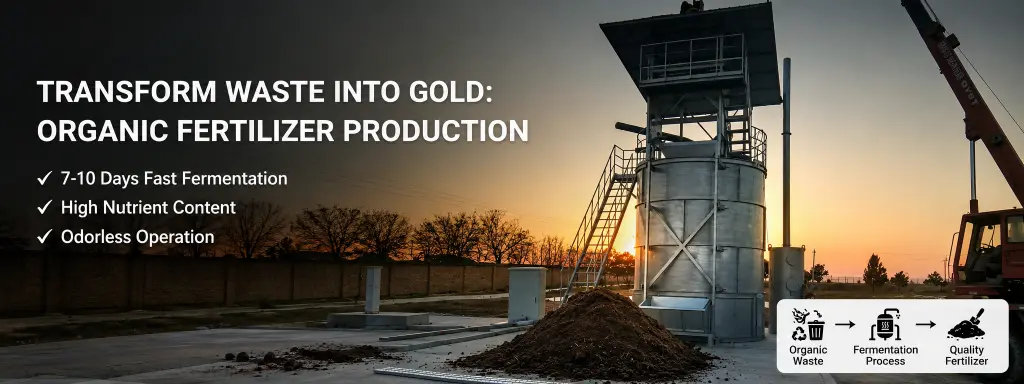
Applications Across Industries
Large-Scale Livestock Operations
Process 20 tons of poultry or swine manure daily. On-site conversion eliminates transportation costs and groundwater contamination risks. Achieve zero-discharge certification in environmentally sensitive zones.
Municipal Waste Treatment Plants
Handle mixed organic streams including sewage sludge and cafeteria waste. The enclosed system prevents odor complaints in residential areas while reducing landfill dependency by 60%.
Commercial Organic Fertilizer Production
Serve as the primary digestion unit in high-output factories. Consistent 7-day batch cycles ensure uniform NPK content for retail packaging. Integration with downstream granulation lines enables fully automated production.
Cold-Climate Agricultural Cooperatives
Unlike open windrows that freeze in winter, this reactor maintains year-round operation in sub-zero regions. Process crop residues and animal bedding without seasonal interruptions.
Quality Control and Certification
Every unit undergoes five-stage inspection before shipment:
Structural Integrity Testing
Ultrasonic thickness gauging and X-ray weld verification ensure pressure vessel safety. Load-bearing tests confirm the central shaft handles peak torque during high-viscosity phases.
Corrosion Resistance Validation
72-hour salt spray testing on internal coatings. Stainless steel passivation checks prevent pitting from organic acids.
Control System Calibration
Temperature and oxygen sensors calibrated against NIST-traceable standards. Pressure decay tests verify 100% odor containment before bio-filter connection.
Compliance Certification
CE marking for European markets. ISO 9001 quality management. Agricultural machinery subsidy qualification from provincial appraisal stations.
Yuxing's 20-year track record includes partnerships with listed microbial innovator Shandong Baolai Lailai Group, ensuring your reactor arrives with proven fermentation agent compatibility.
FAQ
Q1: How does the reactor perform in extremely cold climates?
A: The system uses automated internal heating and thermal jackets to maintain thermophilic fermentation even when ambient temperatures reach -20°C. No production interruption occurs during winter months.
Q2: What is the expected maintenance schedule?
A: Check gearbox oil levels monthly. Inspect mechanical seals and bearing lubrication every six months. The robust design minimizes wear from organic particulates.
Q3: Does operation require specialized staff?
A: No. The PLC automates aeration, agitation, and discharge cycles. Operators only need to monitor the HMI touchscreen and refill raw materials.
Q4: How are offensive odors managed?
A: Each reactor includes a centralized exhaust port designed for acid-base scrubbers or biological deodorization towers. This setup neutralizes over 95% of VOCs and ammonia.
Q5: What is the moisture limit for raw materials?
A: Optimal performance occurs with 50-65% moisture content. If waste is too wet, add carbon sources like sawdust or straw to maintain aerobic porosity.
Contact Us
Ready to transform your organic waste into profit with Fertilizer Fermentation Reactor? Yuxing offers complete turnkey solutions tailored to your production goals.
• Request Production Line Solution
• Request Plant Layout
• Download Catalog
• Get Turnkey Quotation
Reach our engineering team at yuxing@hnyxmachinery.com for 24/7 technical consultation and customized proposals.

USER EVALUATE
Get your tailored fertilizer plant solution — contact us today.