


_1782098484336.webp)
Windrow Composting Machine vs In-Vessel Composting System: Which Is Better?
For medium- to large animal farms and organic fertilizer plants, the windrow composting machine is the clear choice when it comes to composting big amounts of organic waste. It is easy to use, doesn't require a big initial investment, and has a history of successfully handling large amounts of dung and farm waste. These factors make it the best choice for businesses that want to save money and grow. In-vessel composting systems offer controlled environments and faster processing, but windrow composting machines provide reliable, high-capacity performance with little technical complexity. They are especially well-suited for businesses that need to process 600 to 800 cubic meters per hour of animal manure and organic waste in open-air or covered facilities.
Introduction
Composting technologies have grown into important parts of modern farms that raise animals, make organic fertilizer, and run commercial composting facilities. Choosing between sealed in-vessel composting systems and windrow-based mechanical turners affects not only the length of time it takes to ferment, but also your daily budget, the layout of your site, and your plan for meeting environmental standards. I've worked in the fertilizer equipment manufacturing industry for 20 years, and I've seen how this decision affects everything from the amount of trash that is picked up every day to the final standards for compost certification. The stakes are especially high for businesses that handle animal manure, because delays in fermentation directly lead to lost income, complaints about smells, and more storage problems during times when a lot of waste is being made. This comparison looks at how the materials are processed, their effects on the environment, and important financial factors for procurement professionals who run medium-sized composting operations.
Understanding Windrow Composting Machines and In-Vessel Composting Systems
How Do Windrow Composting Machines Operate?
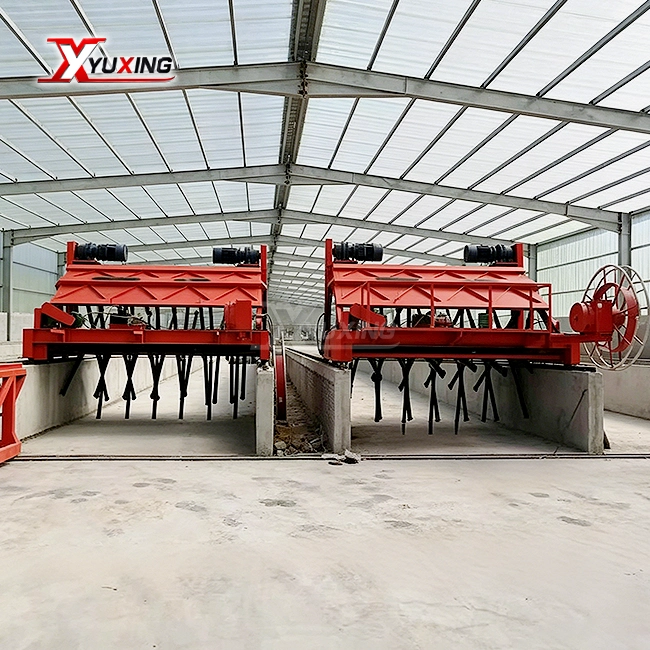
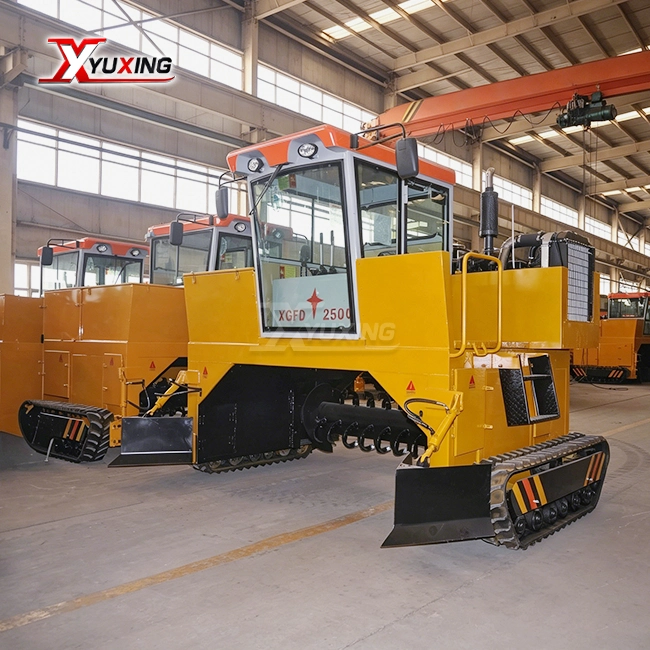
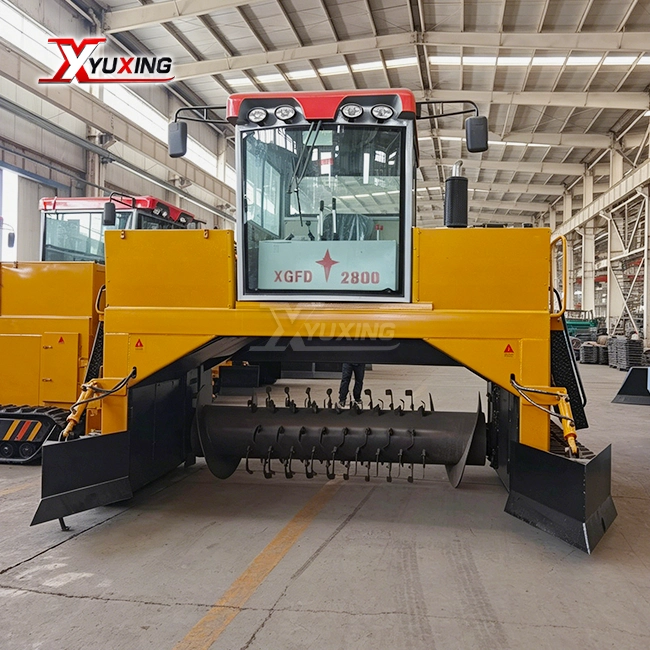
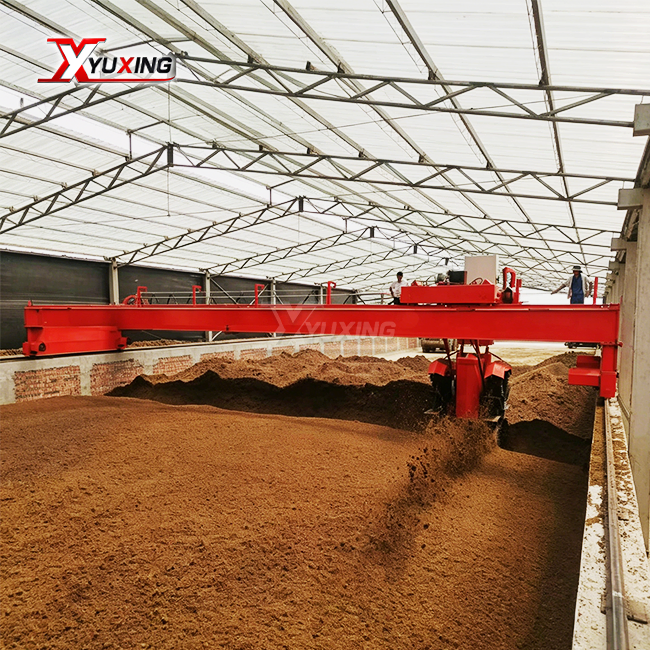
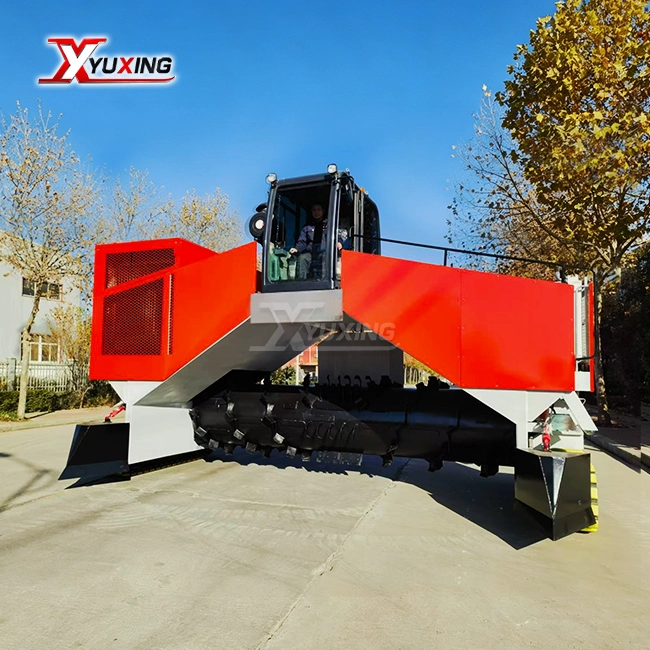
Mechanical compost turners work by sitting on top of long rows of organic matter and using spinning drums with tough blades to pick up, mix, and replace waste all at once. The YUXFD-2500 Crawler Compost Turner is a good example of this method. It has a 680mm drum diameter and hardened steel blades that can cut through piles up to 1100mm high and 2500mm wide. This machine is powered by a 70kW turbocharged diesel engine that makes about 102 horsepower. At speeds of 0 to 15 meters per minute, it can theoretically process 600 to 800 cubic meters per hour. The crawler design keeps it stable on uneven composting pads, and the six forward and two reverse gears make it easy to move around on sites that are already set up. Windrow composting machines speed up aerobic decomposition by mechanically adding oxygen to the pile. This cuts fermentation cycles from months to 7–15 days, depending on the type of material and the temperature and humidity in the area.
The In-Vessel Composting Approach
In-vessel composting systems keep biological waste inside closed reactors, bioreactors, or tunnel rooms that have systems for automatic air flow, temperature monitoring, and controlling moisture levels. These closed-loop environments keep the right amount of microbes active by using computers to control the amount of oxygen injected, the temperature inside (between 55°C and 70°C), and the amount of water (between 50 and 60%). Because it is enclosed, it can be used all year, no matter what the weather is like outside. It also keeps smells from spreading and keeps rain or pests from getting inside. For the first stages of decomposition, advanced in-vessel units can take up to seven days to process, but curing still takes weeks. The trade-off is that they require a lot more money up front, have complicated mechanical systems that need specialized expert support, and use a lot more energy for cooling and ventilation than open windrow ways.
Comparing Core Advantages and Limitations
Windrow composting machines are great at dealing with a variety of waste streams without the need for preprocessing. Animal manure mixed with bedding, food processing waste, and crop plants up to 250 mm in size are all fed straight into the process. The machines can handle changes in moisture levels and differences in the materials that would cause enclosed systems to jam or corrode. The equipment still needs simple maintenance, like replacing the blades, changing the hydraulic fluid, and fixing the engine on a regular basis. The main problem is that it's open to the weather, which can slow fermentation in the winter or make it hard to manage runoff during heavy rain.
In-vessel composting systems provide better environmental control and faster batch finish, but they require a large investment in infrastructure. In order to install something, you need concrete foundations, electrical distribution networks, ventilation ducting, and sometimes even special building enclosures. Electricity for continuous aeration fans, automated monitoring systems, and climate control in colder areas are all part of the operating costs. When technical problems happen, they can stop all operations until specialized techs get there. However, windrow composting machines can usually keep working with only small field repairs. In-vessel units tend to have a smaller spatial footprint per tonne handled, but the overall complexity of the plant grows very quickly.
Comparative Analysis: Performance, Efficiency, and Cost
Processing Capacity and Throughput Metrics
Looking at success in the real world shows important differences for medium-sized businesses. One YUXFD-2500 windrow composting machine can handle between 600 and 800 cubic meters of material per hour, which means that it would take about 10 to 12 hours of hard work to turn a 7,000-cubic-meter composting pad once a week. Facilities that handle 50 to 100 tonnes of fresh animal manure every day can usually finish fermentation in 14 to 21 days if they keep to regular turning schedules, manage moisture well, and use the right carbon-nitrogen ratios. The machine is 2700 mm long and 3500 mm wide, so it can fit through normal 3-meter aisles. Its height of 2800 mm also makes it tall enough to get past most covered composting sheds.
Operational Requirements and Maintenance Realities
A windrow operation needs about 15 to 25 liters of diesel fuel per hour, but this depends on the resistance of the material and the density of the pile. During 6- to 8-hour shifts, one person positions the machine, changes the speed of the turning, and does regular checks. Wear on the blades is still the main problem. Manganese steel parts can last 400 to 600 hours of heavy-duty chicken manure processing or 800 to 1,200 hours of processing softer cow manure mixed with straw bedding. Replacement parts for heavy equipment, like hydraulic hoses, engine filters, and tracks, are easy to find and can be bought through normal channels.
In-vessel composting systems need constant electricity for aeration fans, which use 20–50kW of power based on the size of the reactor and how much aeration is being done. Automated control systems need to have their sensors calibrated and their PLC programs updated, and they need to have contracts for specialized technical support. Faulty parts in temperature probes, moisture monitors, or automatic feeding conveyors can ruin whole runs. Energy costs alone often go over $3,000 to $5,000 a month for facilities that process the same amount of material as windrow operations that spend $2,000 to $3,000 a month on diesel fuel.
Long-Term Cost Efficiency and ROI Considerations
For predictable costs, operations that deal with consistent waste loads of more than 30 tons per day over a 10-year planning horizon, like windrow turner machines and windrow composting machines. With regular upkeep, the YUXFD-2500 will work well for 15 to 20 years thanks to its strong construction, which is backed by CE and ISO standards. Turners that have been well taken care of still have high resale values in secondary markets that serve smaller farms and new composting businesses. Total cost of ownership, including buy price, fuel, maintenance, and operator pay, usually runs $8-$12 per ton of finished compost for windrow operations.
In-vessel composting systems offer faster processing, which is useful for operations that need to keep smells under control in areas close to cities or that don't have a lot of space. If a facility can charge more for approved organic waste or specialized microbial inoculants, it may be worth the 3–4 times higher capital investment because it speeds up production cycles and ensures the quality of the products is better. What determines the break-even point is how much energy costs in the area, what kinds of loans are available, and how much demand there is in the market for high-quality compost goods compared to regular agricultural amendments.
Environmental and Practical Impacts for Sustainable Procurement
Emission Control and Odor Management
When windrow composting machine operations are managed right, they have less of an effect on the environment because they regularly aerate, which stops anaerobic decomposition, which is what makes methane and hydrogen sulfide smells. Changing the regularity based on watching the pile temperature makes sure that the thermophilic phase kills pathogens like Salmonella and E. coli, while volatile organic chemicals break down aerobically instead of building up. Studies done on farms with a lot of livestock show that windrow composting systems that keep oxygen levels above 10% throughout the pile depth cut ammonia emissions by 40–60% compared to static pile methods. The remaining smell problems can be solved without the need for expensive biofilter infrastructure by strategically designing the site to include windbreaks, plant gaps, and the right setback distances from residential areas.
Regulatory Compliance and Certification Standards
Meeting environmental standards across a range of regulatory frameworks affects the choice of system. The U.S. Clean Water Act and EPA guidelines stress the need to manage leachate and protect surface water. This is easily done with properly graded windrow pads that have runoff collection systems. For the National Organic Program to approve compost as a soil amendment, it must be shown to maintain thermophilic temperatures. This can be done by keeping track of when the compost is turned over and recording the temperatures using windrow composting systems. Regulations at the state level are very different. For example, some places require covered structures no matter what technology is used.
European markets have stronger rules about emissions and how to handle waste, which sometimes favor enclosed systems. However, many successful businesses use covered windrow sites with a windrow compost turner that meet all the rules. Instead of assuming that either system automatically ensures compliance, the key is to match the capabilities of technology to specific regulatory needs. Our experience helping with installations in a range of regulatory settings shows that detailed process paperwork and strong site management are more important than the type of tools used.
Conclusion
In the end, the choice between windrow composting machines and in-vessel composting systems comes down to the size of your business, your budget, and the needs of your market. Windrow composting machines have been shown to work well, require little up-front capital, and can be used in a variety of ways, making them ideal for most animal farms and organic fertilizer makers. This practical method is shown by the YUXFD-2500 Crawler Compost Turner, which is built to last and has the processing power needed for medium- to large-scale activities. In-vessel composting systems are used in specific situations where there isn't enough room, there are rules to follow, or there are high-end product markets that require a bigger investment. For procurement to go well, you need to be honest about how much waste your facility makes, the state of the site, your technical skills, your financial resources, and how well you think each technology will work.
FAQ
1. What routine maintenance does a crawler compost turner require?
Every day, maintenance includes checking the condition of the hydraulic hoses, blades, and track tension visually, which takes about 15 minutes. Change the engine oil and filter at the manufacturer's recommended times, which are usually every 200 to 250 hours of use. The number of hours between blade replacements depends on how rough the material is. Every week, the pivot points are greased, and every year, the hydraulic fluid is changed. Total upkeep costs range from $2,000 to $3,500 per year for businesses that run for 800 to 1,000 hours per year. Because the service requirements are simple, equipment users with basic mechanical skills can do the maintenance themselves instead of having to hire expensive specialized technicians, as is common with automatic systems that work inside vessels.
2. How long does windrow composting take compared to in-vessel systems?
When windrow composting is done right, and the pile is turned over regularly with a windrow composting machine, the primary fermentation process is finished in 14 to 21 days for animal manure, with thermophilic temperatures above 55°C throughout the pile. It takes 45 to 60 days of production time, which includes drying, before the final showing. Active decomposition in in-vessel composting systems is done in 5–10 days, but they still need 21–35 days of curing to be stable. When batch loading, reactor cleaning, and system shutdown are taken into account, the gap in actual time gets smaller. When operations value throughput over processing speed, windrow composting systems often give the same level of total efficiency while giving them more operational flexibility.
Partner With YUXING for Your Composting Equipment Needs
YUXING brings more than 20 years of experience making fertilizer equipment directly to your composting business. As a top manufacturer of windrow composting machines, we offer full solutions, from supplying equipment to providing technical support. These help organic fertilizer plants and farms around the world improve the way they handle waste. The CE and ISO certifications for our YXFD-2500 Crawler Compost Turner back up its proven dependability and processing power for medium- to large-scale operations. We keep items in stock so that we can ship them quickly, and we also offer customization services that are based on your site's needs, electrical standards, and the properties of the materials you use. Email our team at yuxing@hxyxmachinery.com to talk about how much composting space you need, get full specs, and look into affordable financing options.
References
1. Rynk, R., et al. (2022). The Composting Handbook: A How-to and Why Manual for Farm, Municipal, Institution and Commercial Composters. Academic Press, Elsevier.
2. Haug, R.T. (2018). The Practical Handbook of Compost Engineering: Principles and Practice. CRC Press, Taylor & Francis Group.
3. Diaz, L.F. & Savage, G.M. (2021). "Comparative Analysis of Windrow and In-Vessel Composting Systems for Livestock Waste Management." Waste Management & Research, 39(4), 512-528.
4. United States Environmental Protection Agency. (2020). Composting Technologies for Organic Waste Management: Technical Guidance for Agricultural Operations. EPA Publication 530-R-20-003.
5. Cooperband, L. (2019). "The Art and Science of Composting: A Resource for Farmers and Compost Producers." University of Wisconsin-Madison Extension Bulletin A3514.
6. European Commission Joint Research Centre. (2021). Best Available Techniques (BAT) Reference Document for Waste Treatment: Industrial Emissions Directive 2010/75/EU. Publications Office of the European Union.

USER EVALUATE
Get your tailored fertilizer plant solution — contact us today.