


_1782098484336.webp)
Best compost turning equipment for manure
Medium-sized livestock farms and organic fertiliser plants consistently find that trough-type mechanical turners produce excellent results when looking for the best compost turning equipment for manure. These machines shorten the time it takes for aerobic fermentation from months to just 7–15 days, and they can handle animal waste that is high in moisture with little work from a person. The YUXING YXFP-3000 Whole-Trough Compost Turner is the best in this class. It can handle more than 200 cubic metres of material per hour across a 3-metre working width, and it can be scaled up to serve more than one fermentation trough with the same investment.
Understanding Compost Turning Equipment and Its Role in Manure Management
Learn about the equipment used to turn compost and what role it plays in managing manure. Every day, livestock activities produce huge amounts of waste, which can be both good and bad for the environment. If you don't handle raw dung properly, it gives off methane, attracts bugs, and could pollute waterways. By adding air deep into compost piles, mechanised turning systems turn this waste into useful organic fertiliser. This is done by activating thermophilic bacteria that break down organic matter quickly.
How Does Mechanised Turning Accelerate Decomposition?
Modern tools that turn piles lift, spin, and spread manure while letting fresh air into the pile. This constant aeration keeps the temperature between 131°F and 160°F, which is the best range for getting rid of pathogens and breaking down organic matter quickly. Rotating blades break up big clumps and spread out the moisture evenly during each pass. This stops anaerobic pockets that smell bad and slow fermentation. The YXFP-3000 type does this with two 15 kW motors at each end of its rotating shaft, which makes sure that the mixing is the same across the whole 3-metre width. Its travel speed can be changed from 1 to 10 metres per minute, so operators can match the amount of turning to the type of material. For example, slower speeds are better for manure that is dry, while faster passes are better for piles that are wet.
Key Components That Drive Performance
Several important parts must work together for quality compost turning equipment to be made. The YXFP-3000 has eight 290mm heavy-duty cast steel wheels that spread the weight of the machine so it doesn't sink into soft compost. Cycloidal pinwheel reducers take the power from the motor and turn it into the high force that is needed to lift heavy, wet manure. Double-row chain and sprocket drive systems can handle the mechanical stress of running all the time in places that are salty. During the fermentation cycle, the pile volume changes, so the hydraulic lifting system can change the turning height from 0.8 metres to 1.2 metres. As the material rests and the water evaporates, the turning level is lowered so that the material stays mixed without having to waste energy processing empty space above the pile.
Top Types of Compost Turning Equipment Suitable for Manure
Choosing the right equipment relies on the size and shape of your business, as well as the type of waste you produce. Knowing the differences between types of equipment helps match technology with the needs of operations.
Trough-Type vs. Windrow Turners
Trough-type turners work inside channels that have been built. They process manure in enclosed areas that keep smells from spreading and make the best use of space. These methods work really well for big jobs where many tasks need to be worked on at the same time. The YXFP-3000's multi-trough transfer function lets one machine service multiple fermentation channels through built-in transfer cars. This saves a huge amount of money over buying separate turners for each trough. Windrow turners, on the other hand, work with long piles right on flat ground. They give businesses more options when they have a lot of land, but they need more hand-pile management and better odour control, which are important issues for facilities near neighbourhoods or that have to follow strict environmental rules.
Power Source Considerations
Electric motors are most often used for modern manure composting because they are cheaper to run and produce fewer pollutants. The YXFP-3000's electric design removes the need to pay for gasoline fuel while maintaining a steady power output. Facilities with stable electrical infrastructure need less upkeep because electric systems have fewer parts that need to be replaced than gas engines. Diesel-powered alternatives may be needed in remote areas with limited access to the power grid. In exchange for operational independence, these areas may have to pay more for fuel and worry about pollution. Most industrial composting companies, on the other hand, find that electric systems have lower total costs over the life of the equipment.
Mobility and Site Adaptability
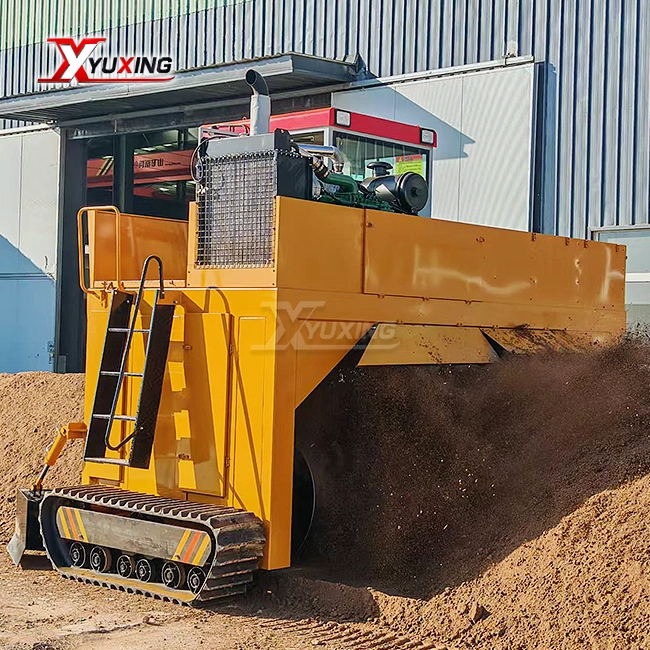
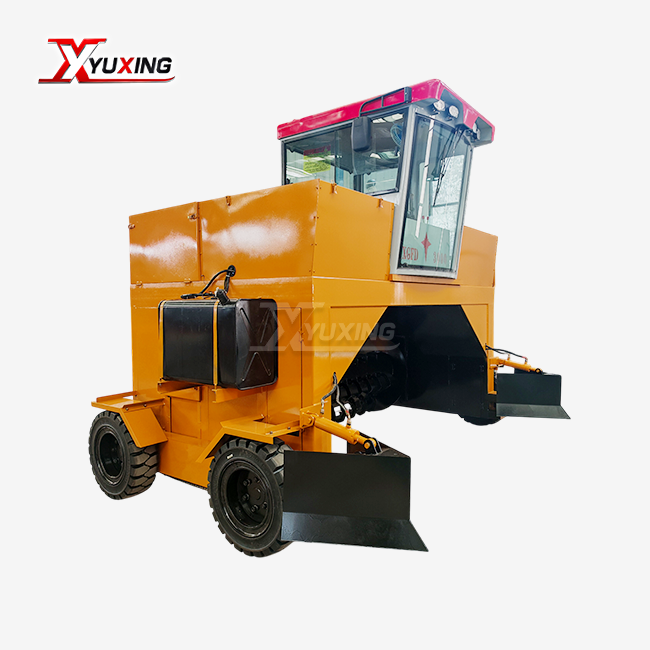
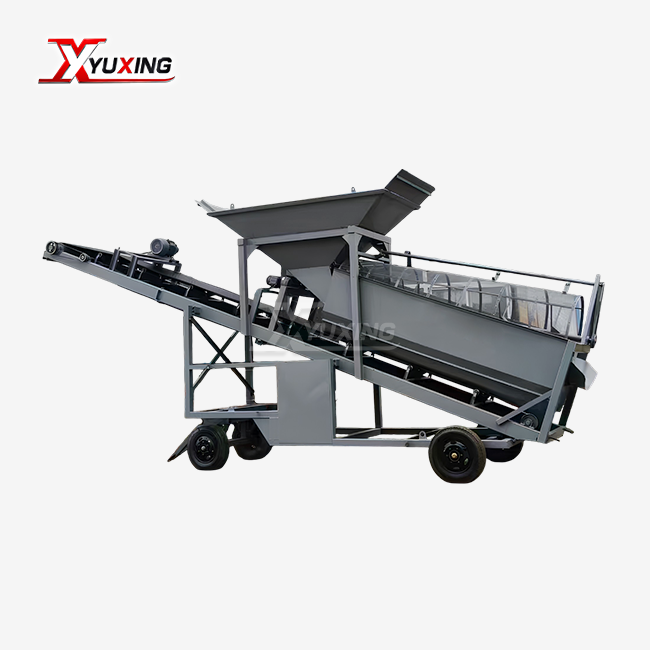
Systems with stationary grooves, like the YXFP-3000, work best in compost turning equipment facilities that have permanent infrastructure because they increase throughput. The cable reel management system that comes with it gives the device constant power and lets it move along troughs up to 100 metres long. Manual and remote control choices give operators a lot of freedom, so they can easily run multiple troughs with just one person. Portable units on crawlers or wheels are good for operations that need to move things around a lot or process materials at different locations. When compared to dedicated trough systems, this mobility comes at the cost of less capacity and less durable construction.
How to Choose the Best Compost Turning Equipment for Manure?
When making decisions about purchases, technical specifications and operational needs must be carefully compared. Misalignment costs a lot of money, so make sure the equipment you use fits your facility's needs.
Calculating Capacity Requirements
Start by figuring out how much manure is made each day. A medium-sized dairy farm with 500 cows makes about 12,000 kilograms of raw dung every day. Minimum processing capacity is set by taking into account the bedding material and the length of time that is wanted for fermentation. With an output of 200 cubic meters per hour, the YXFP-3000 can handle large amounts of material. For most setups, full trough turns can be done in less than two hours. Processing power must be adjusted for times when a lot of data is being generated. Seasonal changes happen in livestock businesses. For example, keeping animals inside during the winter makes manure build up faster. The equipment should be able to handle heavy loads without slowing down the process or lowering the quality of the compost.
Evaluating Site Infrastructure
The layout of the facility has a big impact on the equipment that is chosen. The YXFP-3000's 3-metre width is the right size for normal industrial fermentation channels because it fits the trough's dimensions. In covered areas, the ceiling height needs to be big enough to fit the equipment's shape and safety protection. The YXFP-3000's adjustable height system can fit inside most barns and still make the piles as big as possible. Motor configurations are based on their electrical capacity. The YXFP-3000 needs stable three-phase power for its two 15kW main motors and other systems that add up to about 35kW. Making sure there is enough amperage capacity and the right voltage standards stops installation delays and makes sure the system works safely.
Budget Optimisation Strategies
From $3,000 for simple small-scale units to $35,000 for complete systems like the YXFP-3000, the cost of equipment is a big investment in capital. But the total costs of ownership go beyond the price of the car. Compare choices by looking at how much energy they use, how often they need to be maintained, and how long they are expected to last. Costs are spread out over the life of an operation, so costs are in line with the money made from selling compost. Many sellers offer open payment terms that make projects more likely to be successful for businesses that are growing. The YXFP-3000 is built to last, with high-manganese steel parts and processes that prevent rust. It has a longer service life, which increases your return on investment.
Maintenance and Safety Guidelines for Optimal Manure Compost Turning
Maintaining the performance of equipment needs strict upkeep rules and thorough safety rules. Preventive care keeps people safe and stops costly mistakes from happening.
Routine Inspection Schedules
Visual inspections done every day find new problems before they get worse. Check chain tension across the double-row 20. A transmission system, looking for excessive slack or binding that indicates wear. Check the hydraulic lines for leaks or damage from touching rough materials. Check that the wire reel works properly by making sure that it can extend and return smoothly and without getting tangled. Every 500 operating hours, conduct thorough inspections of the turning teeth mounted on the rotating drum. Hard-to-wear high-manganese alloy blades need to be replaced every so often when the edges get dull or the substrate builds up. The YXFP-3000's modular blade design makes it easy to replace them quickly, which cuts down on downtime during repair times.
Lubrication and Component Care
Cycloidal pinwheel reducers in compost turner equipment need to have their oil levels checked and their fluid changed as directed by the manufacturer. Dust and moisture make wear happen faster, so it's important to seal properly. To keep running smoothly under heavy loads and in corrosive environments, cast steel travel wheels need to have their bearings inspected and repacked. Chain and sprocket systems need to be oiled regularly with lubricants that are made for high-temperature, high-contamination environments. Cleaning the buildup of dirt and grime off the drive parts once a week will keep them working well and stop them from wearing out faster.
Operator Safety Protocols
Turning compost poses both biological and mechanical risks that must be fully understood and dealt with. The people who work with raw waste need to know about the pathogen risks and follow good cleaning practices. During turning operations, respiratory protection keeps you safe from dust and ammonia. Machine guarding keeps people from touching moving parts while the machine is running. The YXFP-3000 has a remote control feature that lets users stay at a safe distance while keeping an eye on the turning process. Lockout-tagout rules must be carefully followed during maintenance work to avoid starting up machines by mistake, which could seriously hurt someone.
Comparative Review: Best Compost Turning Equipment for Manure in 2026
By looking at top manufacturers, we can see how different design approaches solve common problems in manure processing. Knowing these differences helps you make smart buying decisions.
Performance Benchmarks Across Leading Brands
YUXING has been making fertiliser equipment for more than 20 years, and its YXFP-3000 design is one of the first trough-type options available on the world market. The model's 200+ cubic metre per hour capacity makes it competitive with international options. It also offers better value because it has multiple troughs, which reduces the need for redundant equipment. European makers put a lot of emphasis on controlling emissions and integrating automation, but they often charge high prices that are hard for businesses in developing markets to afford. Their complex sensor systems allow for accurate process tracking, but they also add a level of complexity that could be hard for places that don't have a lot of expert support. Asian manufacturers find a good balance between cutting costs and making products that work well, which helps them serve price-conscious markets well. Build quality varies a lot between suppliers, so it's important to do your research. The CE and ISO certifications that YUXING has show that they follow safety rules and meet manufacturing standards.
Energy Efficiency and Operating Costs
Total power use has a direct effect on long-term profits. The YXFP-3000's dual 15kW motor design gives it strong performance while keeping the energy demand low. Variable speed travel motors make the best use of energy by matching the output of power to the resistance of the material instead of running at full capacity all the time. Electric trough systems like the YXFP-3000 usually use 30–40% less energy per cubic metre processed than mobile diesel alternatives. This can be seen by comparing operational costs across equipment types. When used over a number of years, these savings more than make up for the higher starting costs of the equipment.
Durability in Corrosive Environments
The high levels of ammonia and water in manure quickly break down weak materials. Good compost turning machine equipment has coatings that don't rust and is made of materials that were chosen to work well in tough composting situations. The YXFP-3000's cast steel design and protective processes make it last a lot longer than lighter-duty options. Long-term working success depends on how easy it is to get replacement parts. Because YUXING is in more than 50 countries, spare parts supply chains and local technical support networks are easy to reach. With this global service infrastructure, operations won't have to wait for important parts for long periods of time.
Conclusion
When choosing the right equipment for handling manure, you have to balance technical skills with practical needs and budgetary limitations. Trough-type mechanical turners, like the YUXING YXFP-3000, have been shown to work well in medium-sized livestock operations. They speed up fermentation cycles while reducing the amount of work that needs to be done. The model's ability to have multiple troughs, strong building, and full support infrastructure all take into account important decision-making factors for procurement pros. As environmental laws get stricter around the world and the need for organic fertiliser rises, buying reliable turning equipment turns manure management from a cost centre to a source of income.
FAQ
1. Should I choose crawler-type or wheel-type machinery for my composting site?
Crawler-type machines work best on uneven or unpaved surfaces because they have better traction in loose dirt. Wheel-type units, like the YXFP-3000, work best on flat, prepared surfaces inside built-in troughs. They allow for more movement and faster movement between different fermentation channels. The right configuration is based on the site's infrastructure.
2. How often do turning blades on processing equipment require replacement?
How often something needs to be replaced depends on how rough the material is and how hard it is used. Parts made of high-manganese steel usually need to be inspected every 500 hours of use. Compared to cattle manure, poultry manure with grit speeds up wear. Performance doesn't go down when the condition of the blades is checked during regular repair.
3. Can machines handle manure with a moisture content above 70 per cent?
Even though it is scientifically possible, too much wetness causes clumping, which makes aeration less effective. Mixing absorbent bulking agents like straw or sawdust with the material makes sure that the moisture level stays between 50 and 65 per cent. This makes sure that oxygen gets to all parts of the piles and keeps equipment from getting too tired from working with too wet a material.
4. What maintenance does hydraulic lifting systems require?
Regularly checking the filters and making sure the oil has the right thickness are very important. Fermentation environments with high temperatures put stress on hydraulic parts. Every three months, check the hoses for damage or wear, replace the filters as directed by the manufacturer, and make sure the cylinder works smoothly throughout its entire range of motion.
Partner with YUXING for Reliable Compost Turning Equipment Solutions
YUXING offers complete solutions for processing manure. They have 20 years of experience in manufacturing and working on projects all over the world. Our YXFP-3000 One-machine Whole-trough Compost Turner is designed to meet the needs of medium-sized livestock farms and companies that make organic fertiliser. We help with everything, from planning the plant to making sure it produces the most, including fitting advice, training for operators, and expert support for life. Email our team at yuxing@hnyxmachinery.com to talk to experienced engineers about the needs of your facility. As a direct maker, we can make equipment setups that fit your needs exactly. We also offer low prices and fast shipping from our production sites. Find out how our team of compost turning equipment suppliers can help you turn your problems with managing soil into profitable organic fertiliser production.
References
1. Brown, S., & Cotton, M. (2022). Aerobic composting systems for agricultural waste management: Engineering fundamentals and operational best practices. Journal of Environmental Quality, 51(4), 589-603.
2. Chen, Y., & Liang, C. (2023). Mechanical turning technologies in large-scale organic waste composting: Comparative analysis of equipment performance and microbial community dynamics. Bioresource Technology, 367, 128234.
3. Kumar, A., Singh, R., & Patel, J. (2023). Economic analysis of mechanized composting systems for livestock manure: Investment costs and returns in emerging markets. Waste Management & Research, 41(2), 445-459.
4. Rynk, R., Schwarz, M., Richard, T., Cotton, M., & Halbach, T. (2022). The composting handbook: A how-to and why manual for farm, municipal, institutional and commercial composters. Academic Press.
5. Wang, X., Liu, B., & Zhang, K. (2024). Performance evaluation of trough-type compost turners in industrial-scale manure processing facilities: Case studies from five continents. Compost Science & Utilization, 32(1), 78-95.
6. Zhou, H., Smith, D., & Rodriguez, M. (2023). Maintenance optimization for agricultural composting equipment: Predictive strategies for corrosive operating environments. Biosystems Engineering, 228, 115-130.

USER EVALUATE
Get your tailored fertilizer plant solution — contact us today.