


_1782098484336.webp)
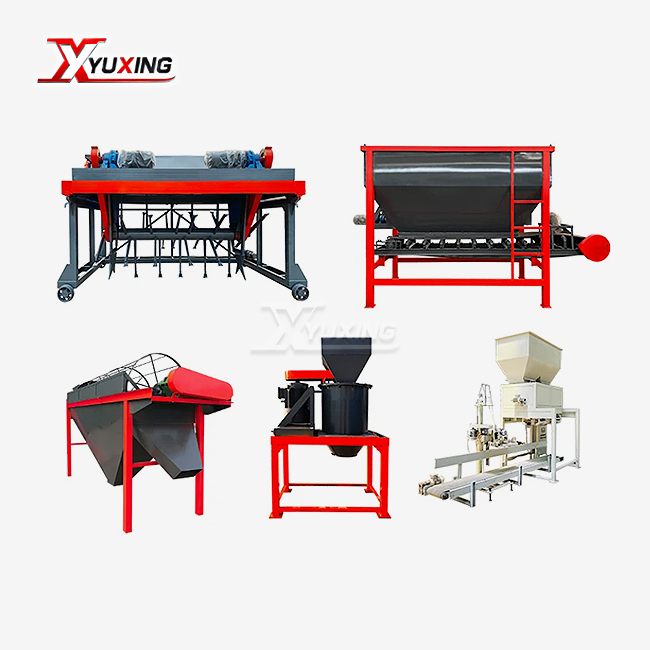
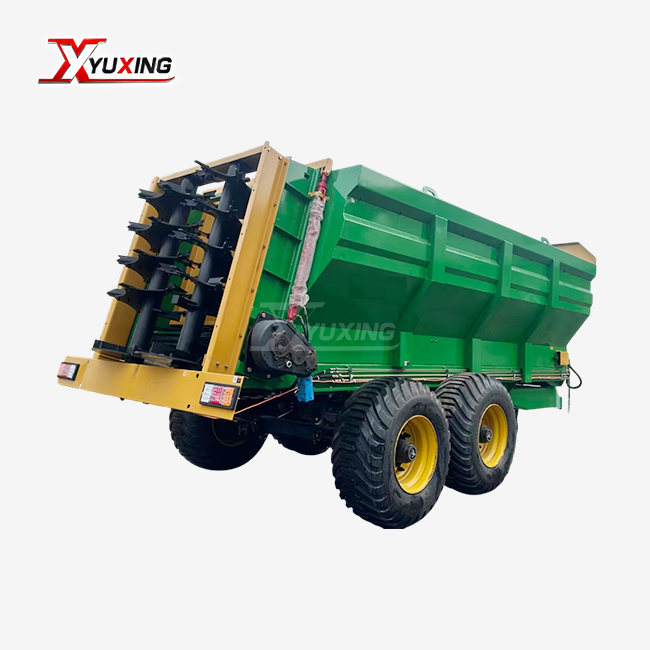
cow dung fertilizer machine
Raw Material Cow dung (fresh / semi-dried manure)
Moisture Reduction 30%–45% after dewatering
Fermentation Time 7–15 days (with compost turning machine)
Final Product Type Powder / Granules / Pellets
Capacity Range 0.3 – 30 t/h (different machines combined)
Power Supply 380V / 50Hz / 3 Phase
Production Layout Compact small plant / modular line
Automation Level Semi-automatic / Fully automatic optional
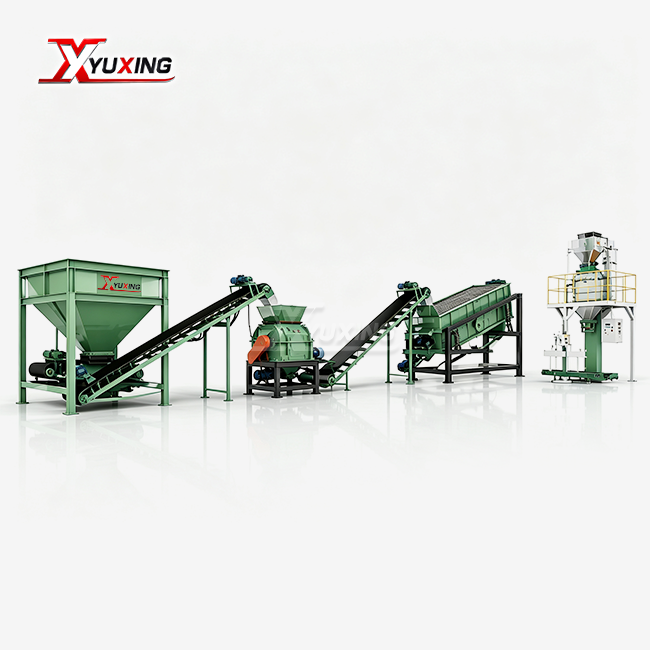
Key Process Dewatering → Fermentation → Crushing → Granulation → Drying → Screening → Packaging
- Product Description
Transform Cattle Waste into Profitable Organic Fertilizer with Our Cow Dung Fertilizer Machine
The cow dung fertilizer machine from Henan Yuxing works very well and is backed by more than 20 years of experience in the field. In just 7–15 days, our combined systems can turn fresh cow dung into high-quality organic fertilizer pellets by lowering the moisture level from 80% to 15% to 30%. You can get rid of all pathogens at thermophilic temperatures (55–65°C) with capacities ranging from 0.3 to 30 tons per hour and milling efficiencies above 95%. Each machine is made of an anticorrosive alloy, is automated by a PLC, and has ISO9001 certification. Our solutions have been used successfully on dairy farms, commercial fertilizer plants, and agricultural cooperatives in more than 50 countries. They can be shipped from stock or custom-built in 15–20 days.
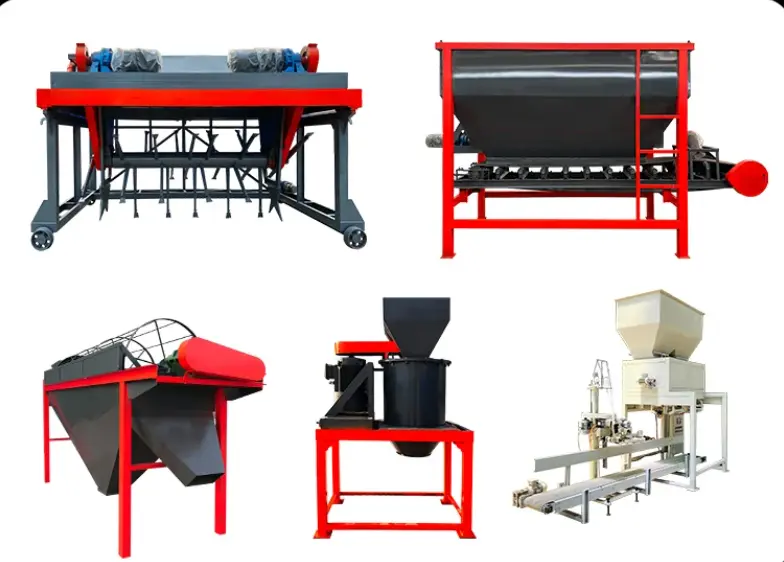
How to Build a Complete Cow Dung Fertilizer Plant?
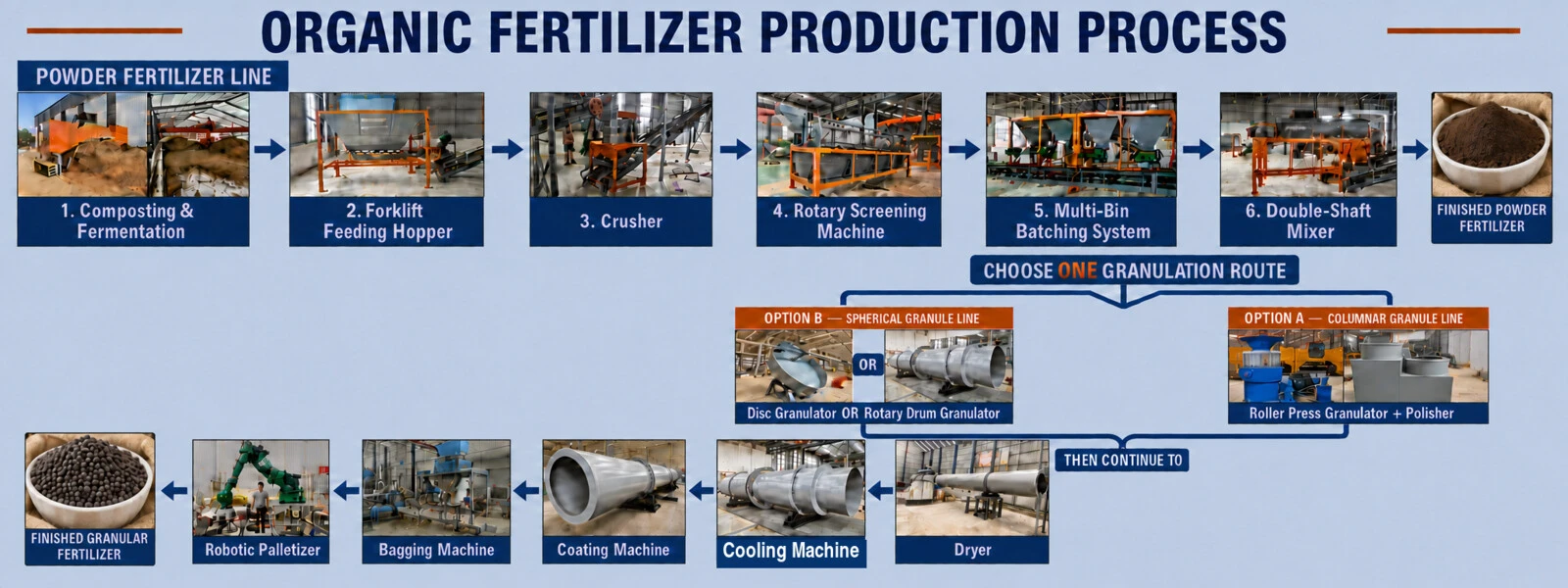
To make a fertilizer plant that makes money, you must first understand how the whole production process works. This seven-step process has been shown to work for setting up your product.
Stage 1: Raw Material Collection & Pre-Treatment
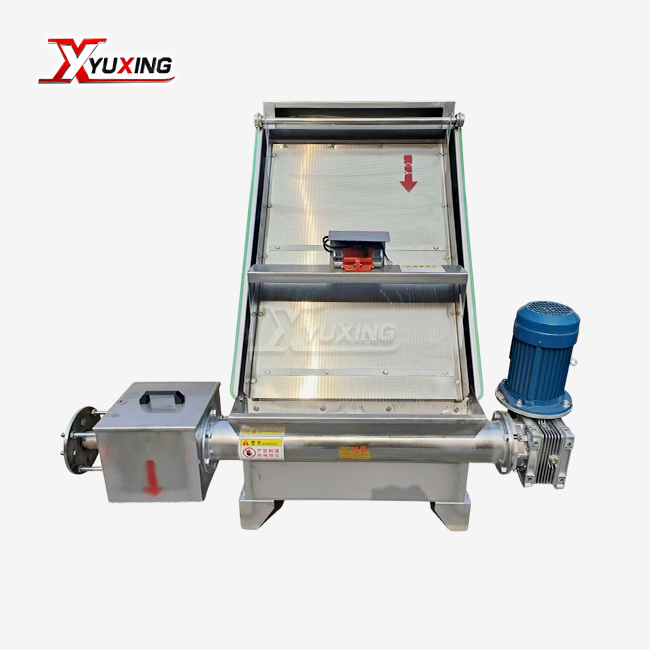
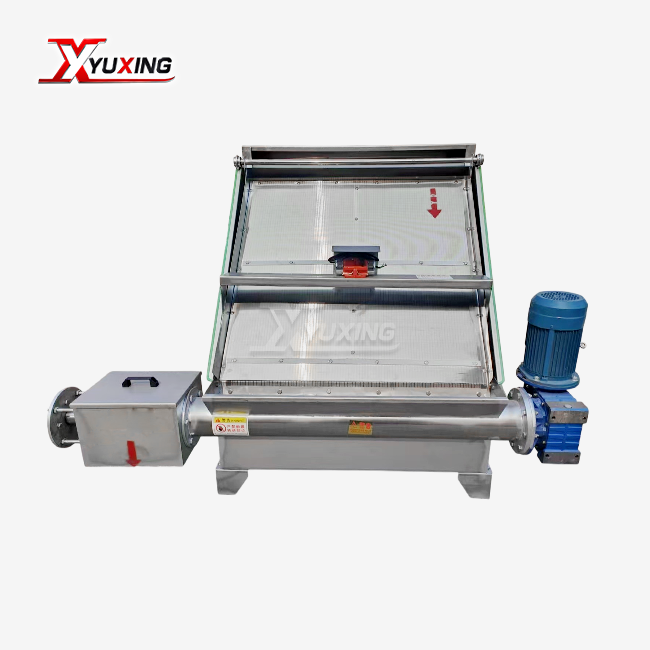
Fresh cow manure usually has between 75 and 85% water in it. To keep groundwater from getting contaminated, you'll need a welcome area with a concrete floor. Before fermentation, use a Model SX-230+ 5.5 kW screw press draining device to lower the water level to 50–60%.
Stage 2: Fermentation with oxygen
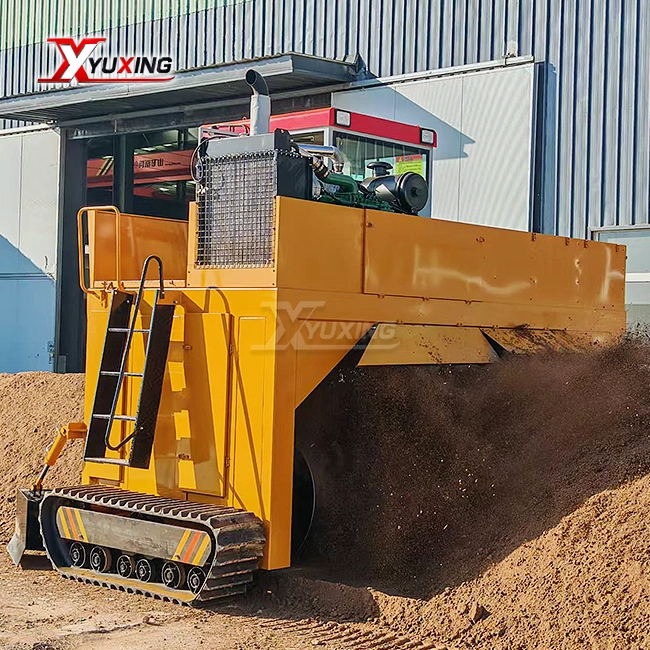
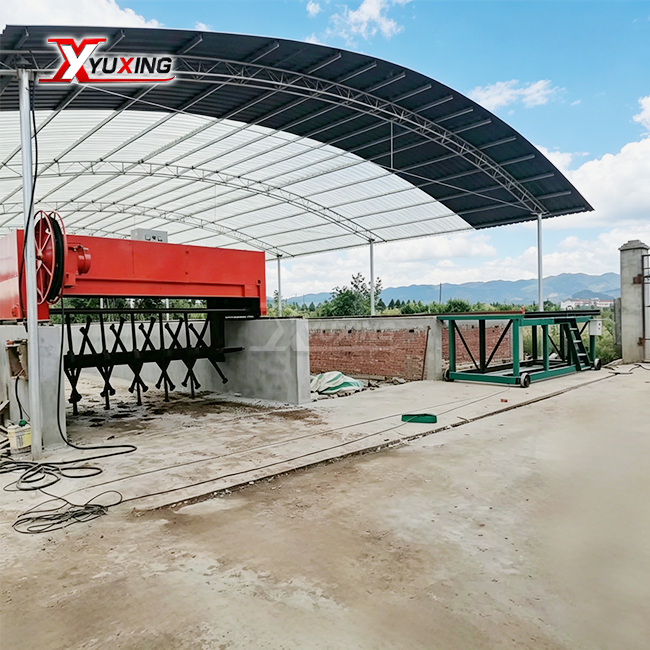
The composter is the most important part of your plant. Groove-type turners (Model SX-3000, 18.5 kW) make sure that your waste windrows get the same amount of air. This speeds up the activity of microbes and finishes the fermentation cycle in 7–15 days instead of the usual 45–60 days.
Stage 3: Crushing the stuff
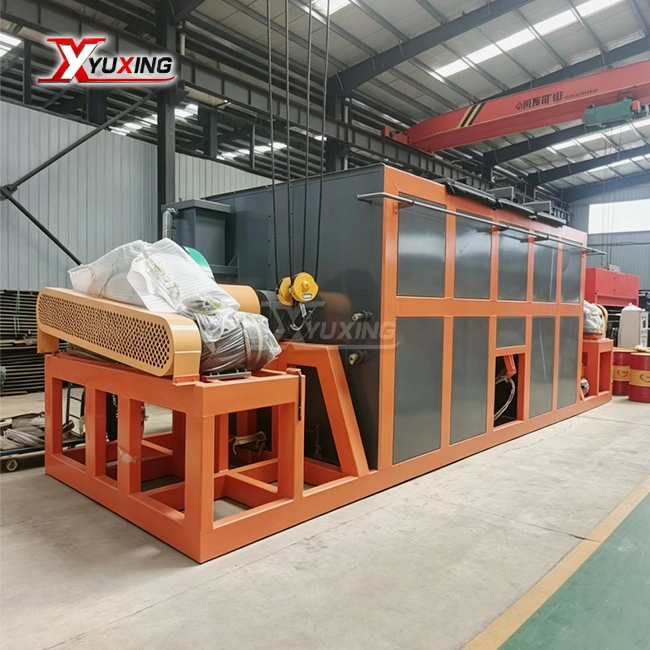
Compost that has been fermented has clumps and fibers in it. Semi-wet material crushers can handle 1.5 to 3 tons per hour and produce fine powder that is 50 mesh or less, which is perfect for granulating. This machine can handle biological materials with a lot of moisture that would get stuck in other breakers.
Stage 4: Shaping and granulation
Pan granulators or disc pelletizers take powder and turn it into regular spheres that are 2 to 6 mm in diameter. You can change the pellet size by changing the spinning speed and tilt angle. Capacity ranges from 0.2 to 1.5 t/h, depending on how much you want to make.
Stage 5: Drying & Cooling
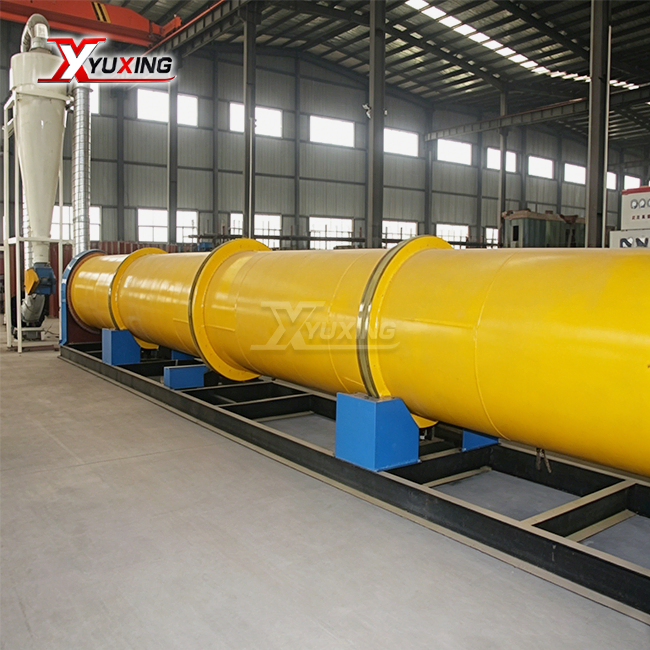
For stable long-term storage, rotary dryers lower the moisture content of pellets to 10–15%. These systems can handle 1 to 2 tons per hour and use indirect heat to keep good bacteria alive while reaching commercial-grade moisture levels.
Stage 6: Checking for quality
Rotary screening tools sort particles that are too big or too small. Materials that aren't accepted go back to the crusher to be processed again. This makes sure that all of your output meets quality standards.
Stage 7: Packaging made by machines
3–4 bags of finished goods are made by machines that weigh and pack them every minute. Automated systems cut down on the cost of work and make sure that business packages always weigh the same.
Plant Layout Considerations
Set aside 800–1200 m² with semi-automatic material handling for small activities that handle 1–3 t/h. Medium-sized plants (5–10 t/h) need 2000–3000 m² and conveyor systems. Large centers that handle 15 to 30 t/h need 5000 m² or more and automatic palletizers and full automation.
Core Equipment Configuration & Technical Parameters
| Equipment Stage | Machine Type | Model | Power | Capacity | Key Function |
|---|---|---|---|---|---|
| Dewatering | Screw Press Separator | SX-230+ | 5.5 kW | 3-5 m³/h | Reduce moisture 30-45% |
| Fermentation | Groove Compost Turner | SX-3000 | 18.5 kW | 400-500 m³/h | Aerobic turning & mixing |
| Crushing | Semi-Wet Crusher | SX-600 | 22 kW | 1.5-3 t/h | Output ≤50 mesh powder |
| Granulation | Pan Granulator | SX-1200 | 3 kW | 0.2-1.5 t/h | Form 2-6mm pellets |
| Drying | Rotary Dryer | SX-1500 | 11 kW | 1-2 t/h | Reduce moisture to 10-15% |
| Cooling | Rotary Cooler | SX-1500 | 5.5 kW | 1-2 t/h | Cool to ambient temperature |
| Screening | Drum Screen | SX-1000 | 3 kW | 2-3 t/h | Separate particle sizes |
| Packaging | Auto Packing Machine | SX-DCS | 2.2 kW | 3-4 bags/min | 25-50 kg bag filling |
Power Supply: 380V / 50Hz / 3 Phase (customizable for your regional standards)
Automation Options: Semi-automatic for budget builds / Fully automatic PLC systems for large operations
Production Flexibility: Powder, granules, or pellet output formats
Why Choose Yuxing's Cow Dung Fertilizer Solutions
Proven Durability in Harsh Environments
Cattle manure creates high-ammonia, high-moisture conditions that destroy standard equipment. Our machines use heat-treated carbon steel and anti-corrosive alloys tested through ultrasonic inspection and X-ray welding verification. Expect 10+ years of continuous operation.
Real-World Performance Standards
Every system undergoes 24-48 hour load testing before shipment. Dynamic balance testing of rotating components minimizes vibration. Granulation strength exceeds industry benchmarks, and our moisture removal efficiency meets strict environmental emission regulations.
Customization for Global Compliance
Operating in Europe? We'll provide CE-certified models with Siemens PLC controls and multi-language HMI interfaces. Need 220V single-phase for remote farms? We adjust electrical specifications. Strict odor regulations? We integrate bio-filtration or chemical scrubbing units that neutralize ammonia and hydrogen sulfide emissions.
Complete Process Integration
Unlike equipment-only suppliers, we partner with Shandong Baolai Lailai Group to provide fermentation agents and microbial inoculants. You receive matched equipment + biological additives + process parameters proven to accelerate composting and improve nutrient retention.
Fast Deployment & Expert Support
Standard configurations ship from stock immediately. Custom builds deliver in 15–20 days. Our team provides factory layout design, installation supervision, operator training, and lifetime technical support including remote troubleshooting and production optimization.
Applications Across B2B Environments
Large-Scale Dairy Operations
Integrated cow dung fertilizer machine systems process on-site waste into reusable bedding material or commercial-grade fertilizer. This closed-loop approach reduces disposal costs while generating new revenue streams and meeting environmental compliance requirements.
Commercial Organic Fertilizer Plants
High-capacity production lines serve as your core processing system. Source raw manure from multiple farms, standardize it into retail-ready bagged pellets, and distribute through agricultural supply chains. Our systems handle varying moisture levels and fibrous content from different cattle diets.
Ecological Agricultural Cooperatives
Rural cooperatives use these machines for localized nutrient cycling in complex farming environments. Process mixed organic materials (manure + straw + crop residues) to achieve balanced C:N ratios perfect for high-value fruit and vegetable production.
Municipal Waste Management Projects
Government-funded facilities use our equipment to divert organic waste from landfills. Convert municipal cattle farm waste into soil amendments for public parks, landscaping projects, and agricultural rehabilitation programs.
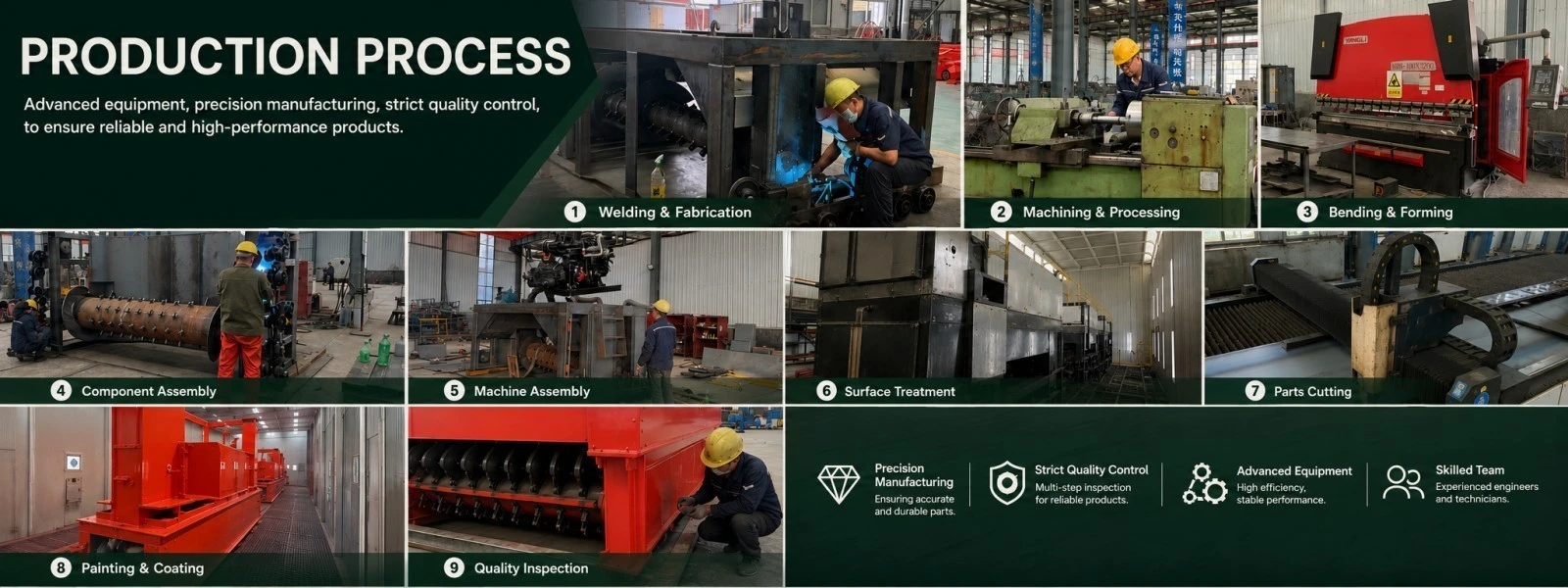
Quality Control & Engineering Standards
Material Verification
Ultrasonic testing confirms steel plate thickness specifications. Chemical analysis validates stainless steel alloy composition to ensure corrosion resistance throughout your machine's 10-15 year service life.
Mechanical Integrity Testing
High-speed components like crusher hammers and granulator drums undergo dynamic balance testing. This eliminates vibration that causes premature bearing failure and structural fatigue.
Welding Inspection
Critical load-bearing joints receive X-ray or magnetic particle inspection. This ensures weld strength exceeds the mechanical stress of continuous operation with abrasive organic materials.
Performance Validation
Every machine completes extended trial runs before shipment. We test actual material processing to verify granulation strength, moisture removal efficiency, and throughput rates match your specifications.
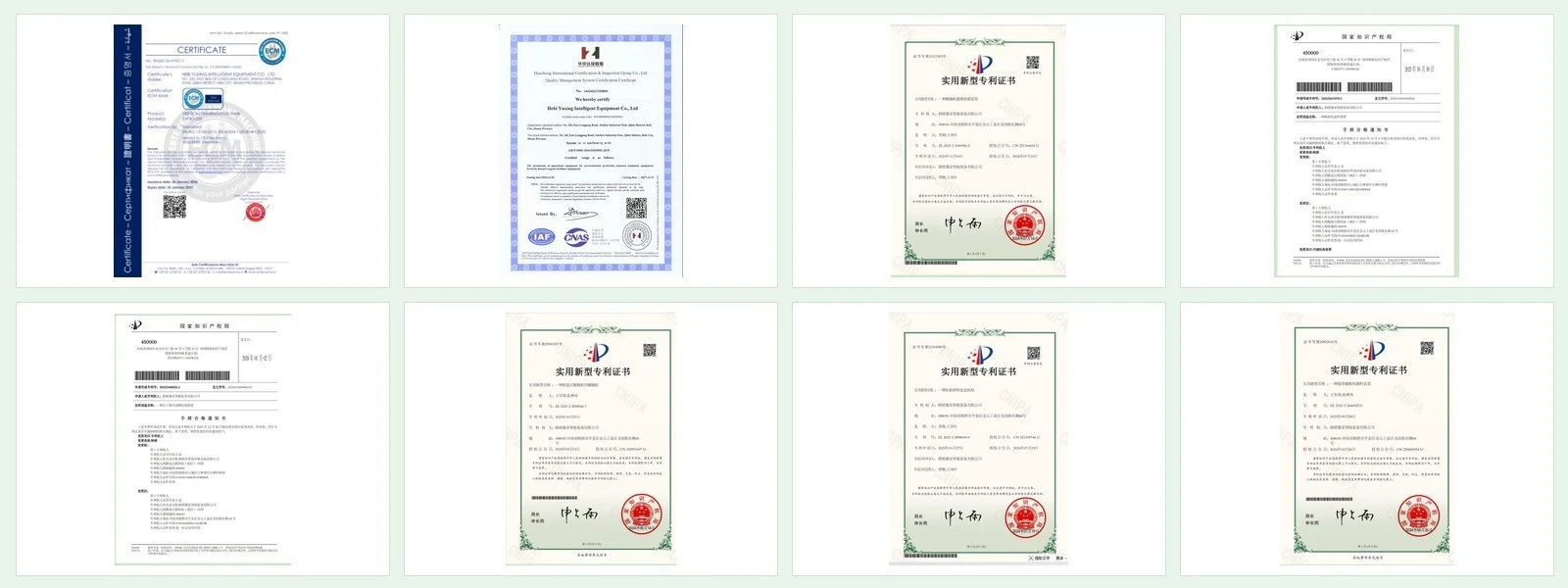
Compliance Certification
All equipment passes ISO9001 quality management standards. International orders receive CE certification and documentation for your local environmental and industrial regulations.
Advanced Features That Maximize Your Investment
Versatile Material Processing
While optimized for cattle manure, your system processes mixed organic feedstocks. Combine cow dung with chicken manure, straw, peat moss, or food waste to create custom fertilizer blends targeting specific crop requirements and market segments.
Adjustable Pellet Specifications
Control final product characteristics by adjusting granulator rotation speed and tilt angle. Produce 2mm mini-pellets for greenhouse operations or 6mm standard pellets for field crops—all from the same equipment.
Extended Wear Part Lifespan
Granulator liners and crusher blades use wear-resistant alloys formulated for abrasive organic materials. Expect 12-24 months between replacements depending on silica content in your feedstock and daily throughput.
Intelligent Odor Management
Optional bio-filtration systems capture volatile compounds during fermentation. Chemical scrubbers neutralize ammonia and hydrogen sulfide emissions to keep your facility compliant with strict air quality regulations.
Energy-Efficient Operation
Modern motor technology and optimized mechanical design reduce power consumption per ton of finished product. Lower operating costs improve your profit margins and accelerate ROI.

FAQ
Q: How does your product handle fresh manure's high moisture content?
A: The screw press dewatering system at the front end reduces moisture from 80% to 50-60%, which is the optimal range for aerobic fermentation. This pre-treatment is critical for efficient composting.
Q: What is the expected lifespan of wear parts?
A: Granulator liners and crusher blades are manufactured from wear-resistant alloys. Typical service life is 12-24 months depending on your daily throughput and the silica content in your raw materials.
Q: Can the system produce different pellet sizes?
A: Absolutely. By adjusting the rotation speed and tilt angle of the disc or drum granulator, you can control pellet diameters between 2mm and 6mm to match different market requirements.
Q: How do you control odors during processing?
A: Our systems can be equipped with bio-filtration or chemical scrubbing units that capture and neutralize ammonia and hydrogen sulfide emissions from the fermentation phase, ensuring regulatory compliance.
Q: Is the equipment compatible with other organic materials?
A: Yes. The system is versatile and can process mixtures of cattle manure with straw, peat, food waste, or other organic materials to achieve a balanced carbon-to-nitrogen ratio for optimal fertilizer quality.
Contact Us
Ready to transform waste into profit with cow dung fertilizer machine? Our engineering team will design a complete solution tailored to your capacity requirements and site conditions.
• Request Production Line Solution – Get a customized system design
• Request Plant Layout – Optimize your facility footprint
• Download Catalog – Review full technical specifications
• Get Turnkey Quotation – Receive complete project pricing

USER EVALUATE
Get your tailored fertilizer plant solution — contact us today.