




Why choose a manure composting machine?
If you manage a livestock farm, run an organic fertilizer plant, or operate a commercial composting facility, you already know how fast organic waste piles up. A manure composting machine changes how you handle that waste. Instead of waiting months for natural decomposition, the right equipment finishes aerobic fermentation in just 7 to 15 days, produces consistent, high-quality compost, and cuts labor costs significantly. For medium-to-large operations dealing with daily volumes of animal waste, investing in proper composting equipment is one of the most practical decisions you can make.
Understanding Manure Composting Machines and Their Benefits
It's helpful to know what these machines do and why they work so well on a variety of farming scales before you buy them.
What Is a Compost Turner?
A compost turner is a machine that moves, stirs, and mixes organic matter inside windrows or fermentation tubs. By adding oxygen to the pile all the time, it helps the thermophilic bacteria that break down manure, crop waste, and other organic materials at temperatures between 55°C and 70°C. This organic process gets rid of germs, lowers the amount of water in the air, and keeps nutrients stable.
Types of Organic Waste Composting Equipment
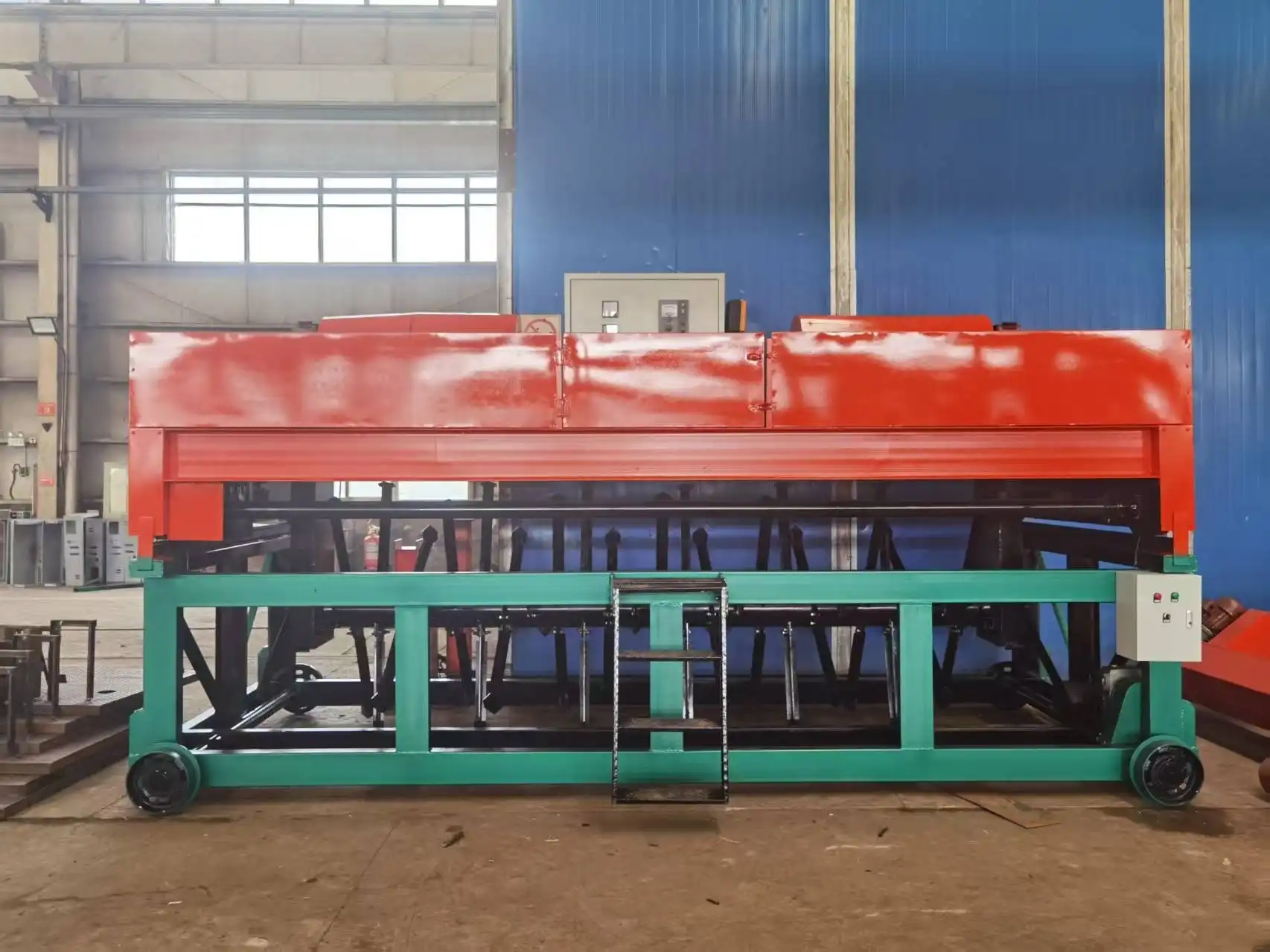
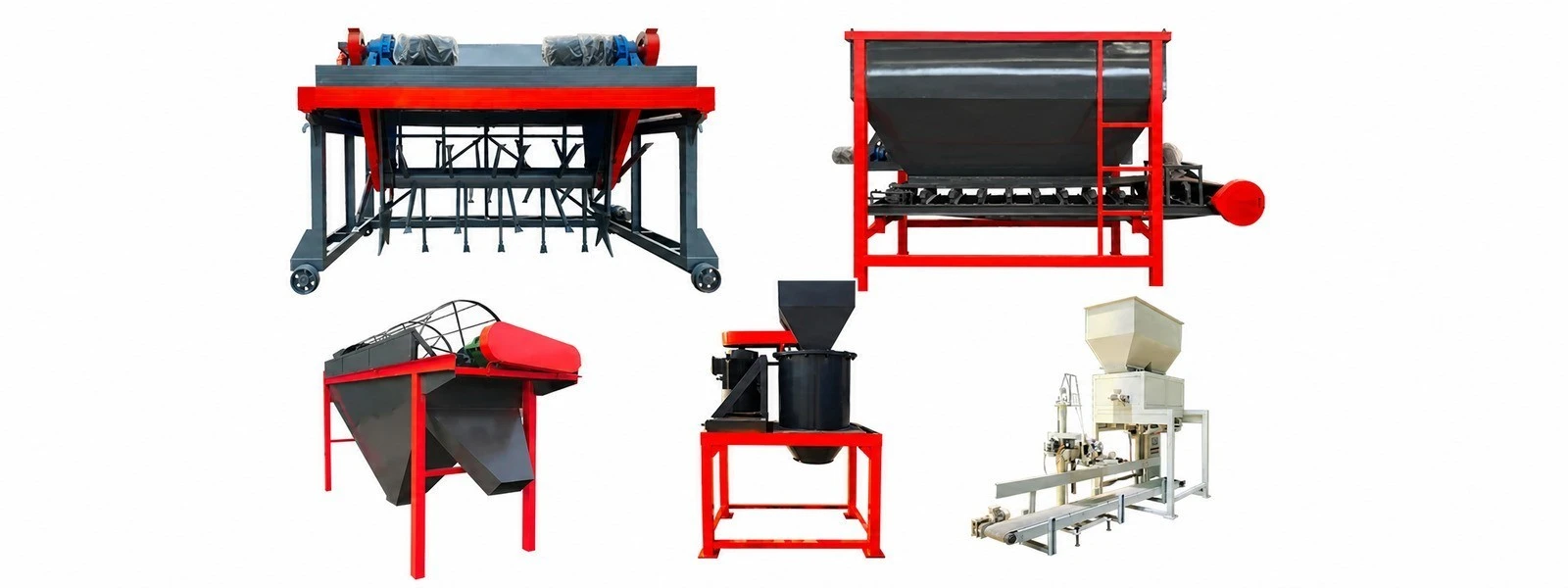
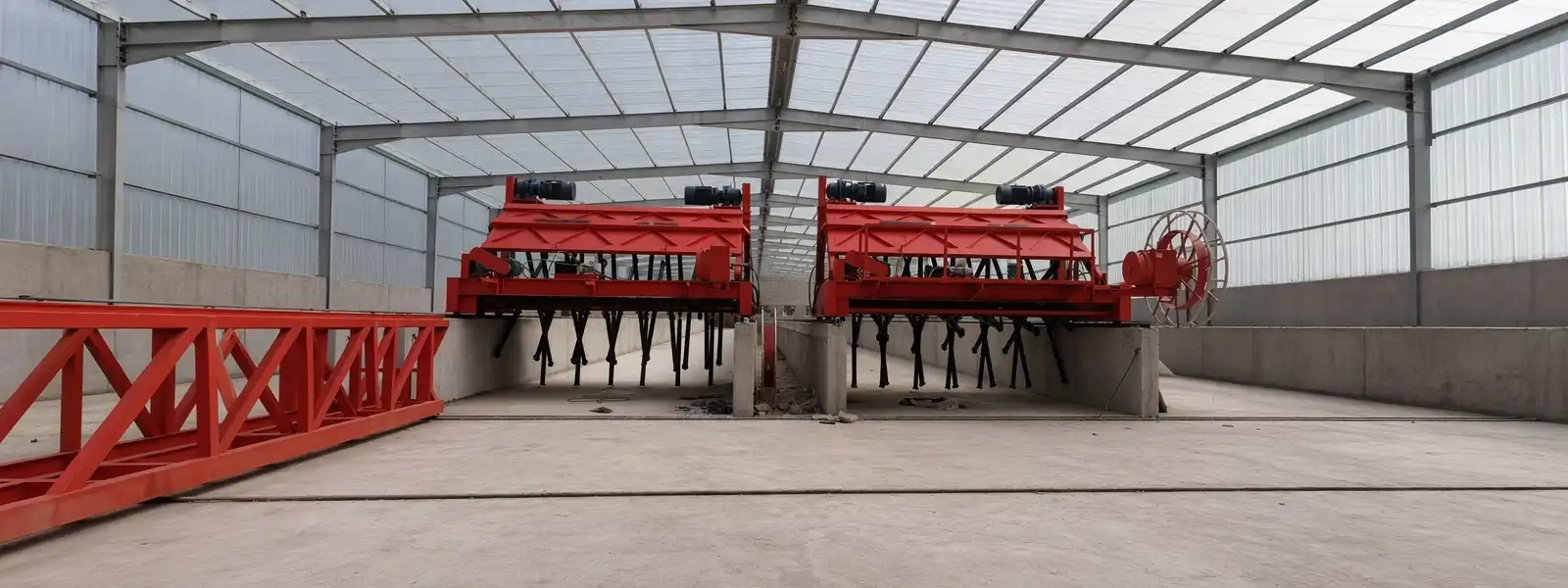
There are two main types of tools used for composting: trough-type turners and windrow turners. Trough-type systems, like the YXFP-4000, work inside fermentation tubes that have already been built. This makes them perfect for enclosed spaces where controlling smells and managing space are important. Windrow turners work best in places with a lot of outdoor space and open pads. Each type can handle different kinds of manure, such as chicken litter and cow slurry.
Core Benefits for B2B Operations
It's easy to see how using a motorized turner can help you in real life. The Food and Agriculture Organization says that aerobic composting with mechanical turning cuts the time needed for processing by as much as 80% compared to passive windrow methods. In addition to speed, you get a finished product with a stabilized nitrogen level, a drop in moisture from 60–70% to around 30%, and a drop in volume of up to 60%. All of these things are directly useful to people who make fertilizer and run farms.
Why Manure Composting Machines Outperform Traditional Composting Methods
A lot of processes still depend on turning by hand or just piling trash and waiting. There is a big difference in how well those methods work compared to automated processes.
Time and Labor Comparison
For a medium-sized operation to manage piles by hand, several workers are needed several days a week. The YXFP-4000 can be run by a single person using either a manual or a remote control. It can move at speeds between 1 and 10 m/min and has a working area of 4,000 mm. One person can now handle what used to take a whole crew, and the machine can process at a speed of ≥200m³/h, which is much faster than manual methods.
Consistent Aeration and Compost Quality
If you don't turn the waste evenly, it will develop anaerobic areas, smell bad, and not meet quality standards. The YXFP-4000 has a dual-motor drive system with two 18.5kW motors on opposite sides of the moving shaft. This makes sure that the whole width of the trough is evenly mixed. Two cycloidal pinwheel reducers and a 20A chain-and-sprocket drive make the torque smooth and constant, even when heavy loads are applied.
Odor Control and Environmental Compliance
One of the main reasons people worry about smelly farms is bad compost pile management. When turning is done by a manure composting machine, aerobic conditions are maintained, which stops the anaerobic reactions that release ammonia and hydrogen sulfide. This directly responds to regulatory pressure in Southeast Asian, African, and South American markets, where rules for managing agricultural waste are getting stricter to protect the environment.
Choosing the Right Manure Composting Machine for Your Business
To choose the right tools, you need to make sure that the machine's specs match your daily waste amount, the layout of your site, your power source, and your long-term output goals.
Matching Capacity to Your Operation
With a center-to-center trough width of 4,000mm and a turning height of 0.8–1.2m, the YXFP-4000 is made for medium- to large-sized jobs. It can handle the daily waste from large pig, chicken, or cattle farms thanks to its production capacity of 200m³/h. The hydraulic lifting system lets the turner get around obstacles and change the depth of the turn, which makes it more useful for working with different types of material.
Multi-Trough Transfer Capability
The multi-trough transfer function is one of the most useful parts of the YXFP-4000. You don't have to buy different tools for each fermentation trough because the machine comes with a transfer car that can be used with more than one trough. This lowers the cost of capital and makes better use of the site, so it's a good choice for businesses that want to increase their waste capacity without having to buy more equipment.
Certifications and Customization Options
The YXFP-4000 has CE and ISO approvals, which are important for many target countries that require imports. YUXING lets OEMs change things like power, the brands of electrical parts (like Siemens or Schneider), PLC control systems, and the language choices for the interface. This level of freedom keeps buyers from having to make expensive changes after the purchase, especially in places where grid standards or government rules are strict.
Maintenance and Operational Tips for Long-Term Performance
If you keep your compost shovel in good shape, it will keep working and protect your investment for many years.
Routine Inspection and Wear Part Replacement
The YXFP-4000's turning blades are always exposed to manure, which is rough and corrosive. Normal use of high-manganese steel blades makes them last two to three years, and the bolt-on design makes it easy to change them in the field without any special tools. The 20A chain-and-sprocket transmission and 8-piece 290mm cast steel travel wheels are standard parts that need to be oiled and checked for tension on a regular basis.
Operator Training and Remote Control Use
The machine can be operated by hand or by a remote control. By teaching your operator how to use the remote control panel, you can keep them out of areas with a lot of ammonia and respond more quickly to changes in the condition of the pile. Part of YUXING's after-sales service is full installation help, help with commissioning, and video-based remote training.
Monitoring Fermentation Progress
Monitoring the temperatures inside the pile on a regular basis proves that thermophilic decomposition is happening. Temperatures between 55°C and 70°C are ideal for microbial activity. If the temperature falls below this range, the biological process can be brought back to life by changing how often the wheels are turned or by adding bulking agents like straw or sawdust. The technology team at YUXING provides ongoing process support to help workers quickly find and fix these problems with a manure compost machine.
Environmental and Economic Impact of Investing in Manure Composting Machines
Mechanical composting has benefits for the environment and the economy that go far beyond just getting rid of trash.
Reducing Greenhouse Gas Emissions
A big source of methane and nitrous oxide, both strong climate gases, is storing dung without using it. By keeping the material in an oxygen-rich state, active aerobic composting with a motorized turner cuts these emissions by a large amount. A study in Bioresource Technology found that managed aerobic composting cut methane emissions from storing animal manure by more than 50% compared to unmanaged stockpiling.
Revenue from Organic Fertilizer Production
Compost that has been made in a well-run trough system can be sold straight or used as raw material for making powdered organic fertilizer. According to Allied Market Research (2023), the demand for organic fertilizer is rising at a rate of about 11% per year. This means that farms and processing plants that make certified-quality compost have a clear advantage in the market. The YXFP-4000 consistently produces high-quality output that supports the uniformity of feedstock needed by lines further downstream.
Long-Term Cost Savings
The combination of less work for employees, lower costs for getting rid of waste, and compost that can be sold makes for a strong case for return on investment. YUXING equipment is designed to keep working with little downtime, and the company offers lifetime technical support 24 hours a day, seven days a week. This means that when operations are interrupted, they are quickly fixed. Standard equipment for making organic fertilizer is ready to ship right away, but custom units take 15–20 days to make.
Conclusion
Getting a dung composting machine is a useful way to speed up the fermentation process, get better compost, and lower your costs of doing business. With a production capacity of up to 200m³/h, the YXFP-4000 from YUXING can handle medium to large operations. It is CE/ISO certified and has multiple troughs for flexibility. This makes it a great choice for livestock farms, fertilizer plants, and commercial composting businesses in Africa, Southeast Asia, Central Asia, and South America. YUXING has been making manure composting machines for more than 20 years and has customers in more than 50 countries. Their machines are made to last and keep working.
Frequently Asked Questions
1. What moisture level should raw manure have before loading?
Raw manure should have a moisture content between 55% and 65% before loading. If moisture exceeds this range, add bulking agents such as straw or sawdust to restore porosity and maintain airflow through the pile.
2. How long does mechanical composting take?
With consistent mechanical turning and proper aeration, aerobic fermentation typically completes in 7 to 15 days, compared to several months with passive windrow methods.
3. Can one machine handle multiple fermentation troughs?
Yes. The YXFP-4000 includes a transfer car that allows a single machine to move between multiple fermentation troughs. This reduces equipment investment for operations with several composting channels.
4. How durable are the turning blades?
High-manganese steel blades typically last 2 to 3 years depending on feedstock abrasiveness. The bolt-on design allows quick field replacement without removing the entire shaft assembly.
Request a Quote from YUXING — Trusted Manure Composting Machine Supplier
For more than 20 years, YUXING has helped businesses in more than 50 countries make organic fertilizer and compost with manure composting machines. Whether you need a single YXFP-4000 or a whole production line, our team can help you set up the equipment, deliver it quickly, and provide technical support for life. You can email us at yuxing@hnyxmachinery.com to get a detailed quote that takes into account the amount of waste your business makes every day and how the site is set up.
References
1. Food and Agriculture Organization of the United Nations. Management of Agricultural Waste and Composting Practices. FAO, 2018.
2. Bernal, M.P., Alburquerque, J.A., & Moral, R. "Composting of animal manures and chemical criteria for compost maturity assessment." Bioresource Technology, 2009.
3. Jiang, T., et al. "Effect of mechanical turning on greenhouse gas emissions during aerobic composting of livestock manure." Bioresource Technology, 2011.
4. Allied Market Research. Organic Fertilizer Market — Global Opportunity Analysis and Industry Forecast. Allied Market Research, 2023.
5. Haug, R.T. The Practical Handbook of Compost Engineering. Lewis Publishers, 1993.
6. Tiquia, S.M., & Tam, N.F.Y. "Characterization and composting of poultry litter in forced-aeration piles." Process Biochemistry, 2002.

USER EVALUATE
Get your tailored fertilizer plant solution — contact us today.