




The Benefits of a Manure Composting Machine & Why You Should Consider Installing One
If you manage a livestock farm or run an organic fertilizer operation, you already know how fast waste accumulates. A manure composting machine changes how you handle that waste — turning a daily burden into a profitable resource. Instead of waiting months for natural decomposition, the right composting equipment compresses that timeline to just 7–15 days, producing stable, nutrient-rich compost ready for soil application or fertilizer production. This article walks through the core benefits, process steps, equipment comparisons, and selection guidance to help you make a confident purchasing decision.
Understanding Manure Composting Machines and Their Benefits
How These Machines Work
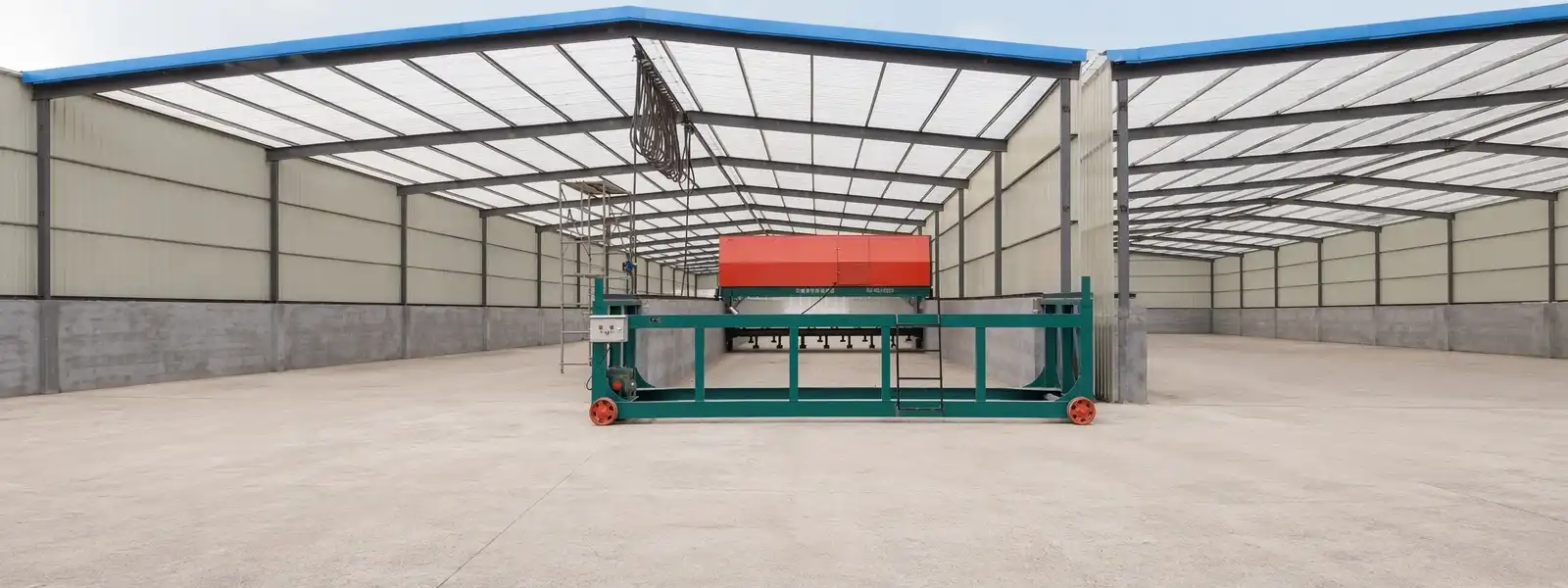
A compost turner that looks like a trough moves along fermentation channels, mixing and aerating organic matter with each pass. By doing this, air is added to the pile, which feeds the aerobic bacteria that break down the raw manure. The biological heat created during this process—which is usually kept between 55°C and 70°C—kills pathogens and weed seeds and speeds up decomposition much more quickly than passive windrow methods.
Machine Types and What They Handle
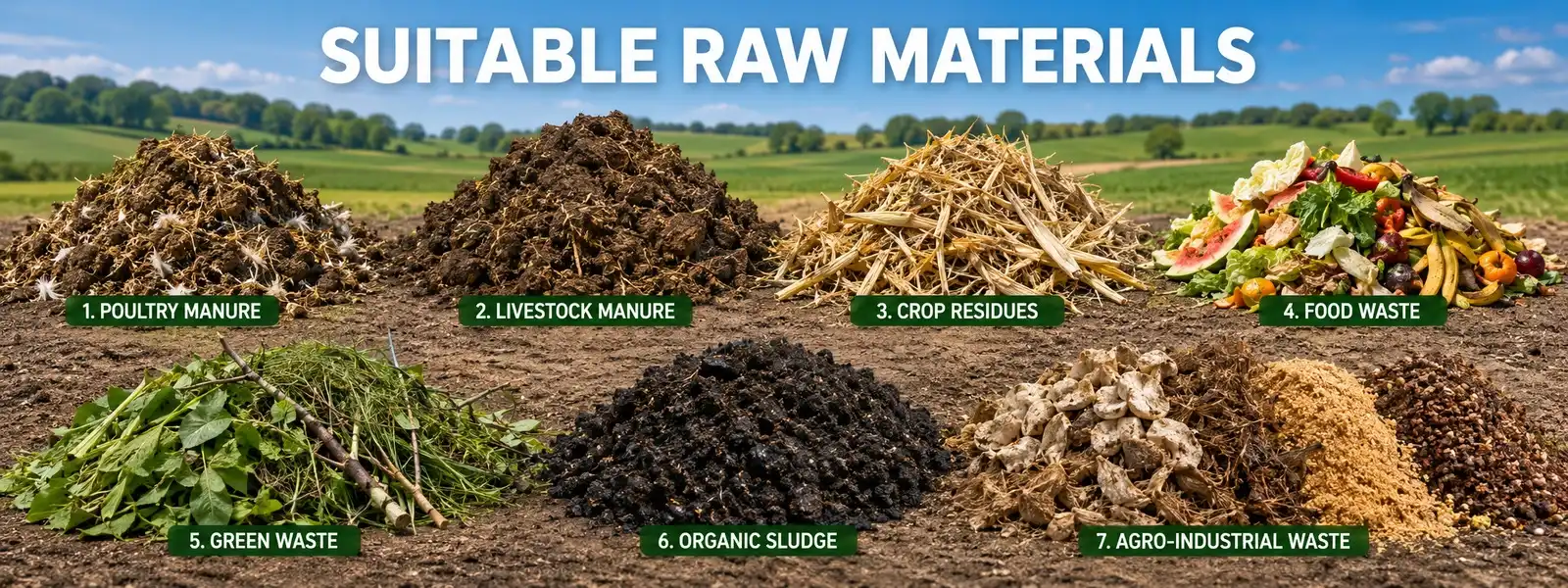
Composting equipment ranges from small turners that are operated by hand and are good for small farms to large trough systems that are fully automated and made for large-scale production. Trough composters with a working width of 4,000 mm are great for medium- to large-sized businesses because they get a lot done and don't take up much room. They deal with trash that has a lot of ammonia in it from pigs, chickens, and cattle, as well as mixed organic materials from food processing or city biosolids.
Key Business Benefits at a Glance
When it comes to B2B owners, here are the main benefits of an automated composting system:
- Shorter production cycles: Aerobic fermentation completes in 7–15 days versus 3–6 months with passive methods, freeing up trough space for continuous batch production.
- Consistent compost quality: Regular, programmed turning prevents anaerobic pockets, producing uniform moisture distribution and stable nitrogen retention across every batch.
- Lower labor dependency: One operator can manage an entire trough system that would otherwise require a crew of workers turning piles manually each day.
- Odor and emission control: Proper aeration reduces ammonia volatilization and methane generation — two of the most cited complaints from neighbors and regulators near livestock operations.
Most farm managers and people who work at fertilizer plants have to deal with operational pain every day, but these benefits directly help them. If you replace random pile management with a controlled mechanical process, you get output that you can count on, which helps with organizing production further down the line.
The Manure Composting Process and Best Practices for Optimal Results
Preparation and Material Feeding
When raw manure goes into the fermentation trough of a manure compost machine, it should have between 55% and 65% moisture. If the amount of water in the pile goes above this range, workers should add bulking agents like straw, sawdust, or dry crop waste to make the pile more porous. The right C: N ratios—ideally between 25:1 and 30:1—help thermophilic microbes work from the beginning of the cycle.
Turning Frequency and Temperature Monitoring
The number of turns during the active phase is based on the pile's temperature and air levels. A rolling pass cools the pile and adds air again when the core temperature goes above 70°C. During the first week, most piles turn every one to two days. As the material settles, the number of turns decreases. According to USDA composting guidelines, keeping the thermophilic phase above 55°C for at least three days in a row is a standard way to get rid of pathogens.
Maintenance Practices That Protect Your Investment
In corrosive soil settings, wear parts like turning blades and chain sprockets need to be checked on a regular basis. Depending on how rough the feedstock is, high-manganese steel blades usually last two to three years and can be easily replaced with bolts, and no special tools are needed. Regularly checking the hydraulic lifting system, lubricating the gear, and tensioning the 20A chain drive keeps output from stopping without warning during busy times.
Comparing Manure Composting Machines with Traditional Composting Methods
Labor Costs and Processing Time
For traditional pile composting to work, workers must use front-loading trucks or hand tools to turn the windrows every couple of days. The Cornell Waste Management Institute says that rounds of hand composting usually last between 60 and 180 days to make stable products. The time it takes to do this is cut by up to 70% per ton of material processed by a mechanized trough system, which can be done in less than 15 days.
Output Consistency and Scalability
The results of manual methods aren't always consistent because managing piles depends on the timing and technique of each worker. Machine-driven turning works according to a set plan, making sure that every batch has the same level of mixing and aeration. When compost is used as a feedstock for making organic fertilizer pellets, this consistency is very important because it directly affects the quality of the pellets and the results of the nutrient analysis.
Energy Costs in Perspective
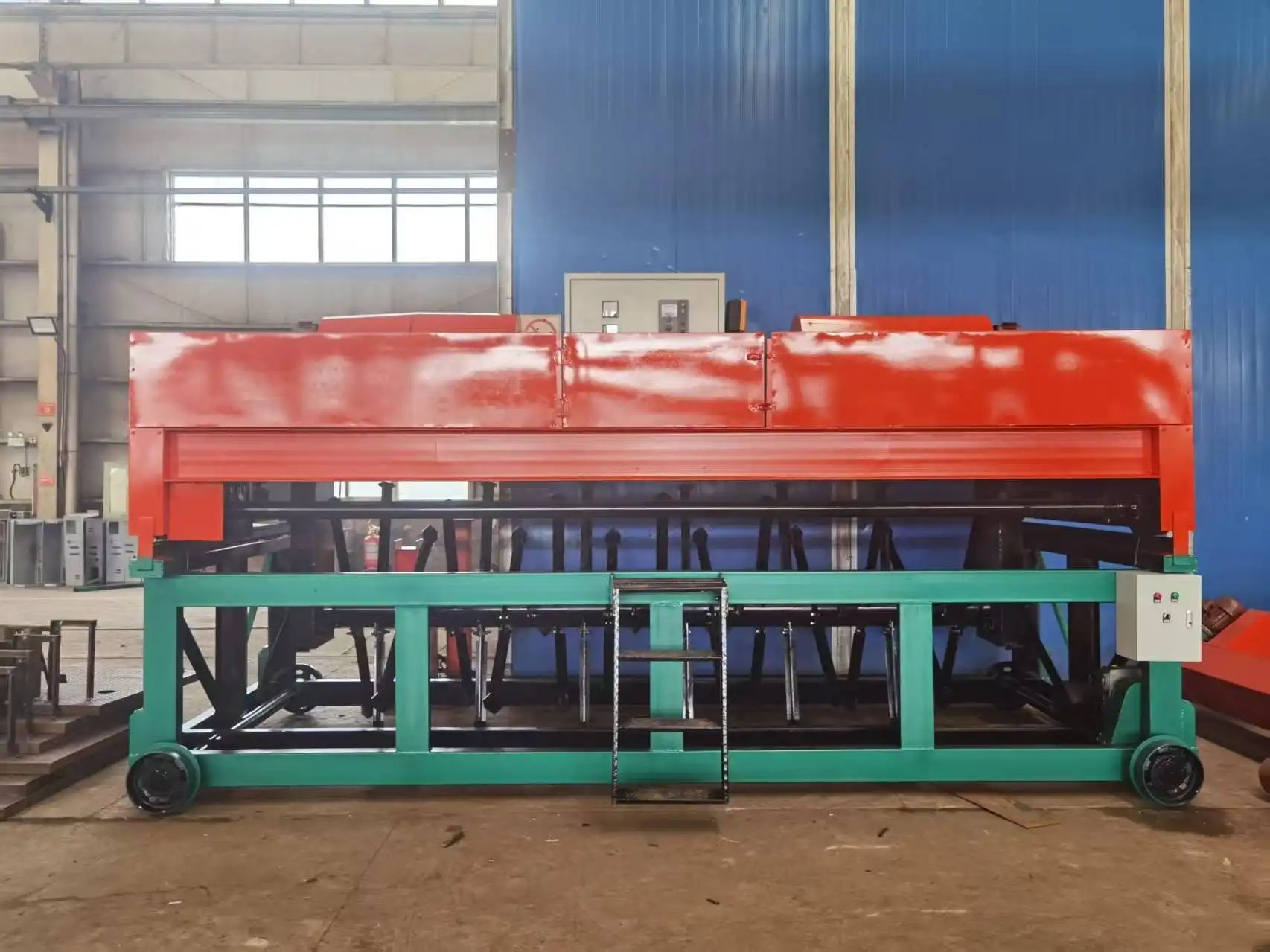
A medium-sized trough-type turner uses a lot less energy per cubic meter of material it processes than most users think it will. For instance, the YXFP-4000 has two 18.5kW motors and a 2.2kW trip motor, which together allow it to produce up to 200m³/h. That means that the cost of energy per ton of finished compost is low, especially when you compare it to the cost of a second machine or more workers.
How to Choose the Right Manure Composting Machine for Your Needs
Match Capacity to Daily Waste Output
Figure out how much raw material you use every day before you choose equipment. A 4,000mm center-to-center trough width works well for medium- to big companies that produce a lot of waste from chickens, pigs, or a mix of livestock types. The YXFP-4000 can turn up to 1.2 meters high and can move up to 1 meter per minute. This gives operators the freedom to change the turning strength in real time based on the material.
Evaluate Multi-Trough Functionality
One of the most useful features for growing operations is that a single machine can take care of more than one fermentation trough. The YXFP-4000 has a transfer car and a multi-trough transfer function, which means that you only need to buy one unit to cover multiple channels. This design lowers the cost of capital and makes it easier to plan the layout of waste yards with small footprints.
Certifications, Support, and Sourcing
Check that the manure composting machine supplier's equipment has CE and ISO certifications. These show that the equipment meets international standards for safety and quality. YUXING's YXFP-4000 has both approvals and a 24/7 lifetime after-sales pledge that includes help with setup, support for operation, and advice on spare parts. When purchasing from overseas manufacturers, this level of documented support lowers the technical risk that comes with getting equipment from far away.
Environmental and Business Impact of Investing in Composting Equipment
Reducing Emissions and Meeting Regulations
When waste storage isn't handled well, methane and nitrous oxide are released. These are two greenhouse gases that are much more powerful than carbon dioxide at warming the planet. Controlled biological activity in mechanized aerobic composting breaks down this organic matter, greatly lowering both methane and ammonia pollution. Many places in Africa, Southeast Asia, and South America are making it harder for livestock operations to damage the environment. Keeping records of composting processes helps with regulatory compliance reporting.
Creating a Revenue Stream from Waste
If you handle your trough system well, you can bag the finished compost and sell it directly to farms in the area, or you can use it as certified input material for making organic fertilizer pellets. Businesses that used to pay to get rid of their trash can turn that cost base into a product line. The International Fertilizer Association says that the need for organic soil amendments is growing in both mature and developing agricultural markets. This means that the switch is a good business move.
Positioning Your Operation for Long-Term Growth
Buyers, regulators, and business partners will know that your company takes waste accountability seriously if you use mechanized composting equipment. It also gives you information about how the organic fertilizer is made, like turning cycles, temperatures, and batch weights, which backs up claims that finished products can be tracked.
Conclusion
One of the most useful improvements that a livestock farm or fertilizer business can make is to use a manure composting machine to turn the compost. It cuts down on labor costs, speeds up the brewing process, makes the final product more consistent, and puts your business in a better position to meet rising environmental standards. The YXFP-4000 from YUXING can produce up to 200m³/h, can cover multiple troughs with a single machine, and is CE and ISO certified. The company has been making fertilizer equipment for over 20 years and has customers in more than 50 countries.
FAQ
1. What moisture level should raw manure be at before loading?
Aim for a wetness level of 55% to 65%. If the material is too wet, add dry thickening agents like sawdust or straw to make the pile porous again before putting it in the fermentation trough.
2. How long does a full composting cycle take with a trough turner?
With the right amount of airflow and regular turning, aerobic fermentation can be finished in 7–15 days, while passive windrow composting can take months.
3. Can one machine really serve multiple fermentation troughs?
Yes. The YXFP-4000 has a built-in multi-trough transfer function and a transfer car, so one unit can move between different channels without buying any extra gear.
4. How durable are the turning blades in corrosive environments?
Blades made of high-manganese steel usually last between 2 and 3 years when used normally. They are made so that they can be easily replaced by bolting them on. This makes maintenance easy and cuts down on downtime.
Get a Direct Quote from YUXING — Trusted Manure Composting Machine Manufacturer
For more than 20 years, YUXING has made and sent manure composting machines to more than 50 different countries. There is a lifetime warranty on the YXFP-4000 One-machine Whole-trough Compost Turner, and it is CE and ISO approved. It was made for ongoing medium- to large-scale production. Talk to our team directly about your site's layout, how much space you need each day, and when you need it delivered. To get a quote right away, email us at yuxing@hnyxmachinery.com.
References
1. Cornell Waste Management Institute. (2020). Composting and Its Applications in Agriculture. Cornell University.
2. International Fertilizer Association. (2022). World Fertilizer Trends and Outlook. IFA Publications.
3. USDA Agricultural Research Service. (2021). Composting Animal Manures: A Guide to the Process and Management of Animal Manure Compost. United States Department of Agriculture.
4. Food and Agriculture Organization of the United Nations. (2019). Livestock and the Environment: Managing the Balance. FAO.
5. Rynk, R. (Ed.). (1992). On-Farm Composting Handbook. Northeast Regional Agricultural Engineering Service, NRAES-54.
6. Haug, R. T. (1993). The Practical Handbook of Compost Engineering. Lewis Publishers.

USER EVALUATE
Get your tailored fertilizer plant solution — contact us today.