




How does a manure composting machine work?
A manure composting machine accelerates the biological breakdown of livestock waste by mechanically turning, aerating, and mixing organic material within a controlled fermentation environment. The process relies on thermophilic microorganisms that thrive at 55–70°C, consuming nitrogen-rich manure and converting it into stable, nutrient-dense compost. By forcing oxygen into the pile and maintaining optimal moisture levels, these machines compress what would naturally take three to six months into a 7–15 day cycle. For livestock farms and organic fertilizer producers, this speed and consistency are what separate profitable operations from ones buried in waste backlogs.
Understanding Manure Composting Machines: Core Principles and Processes
What Drives the Fermentation Process
Composting is based on simple science: aerobic bacteria break down organic waste when they have enough air, heat, and moisture (55–65%). A dung composting machine creates and keeps those conditions automatically. If piles don't get any active ventilation, they become anaerobic and release hydrogen sulfide and ammonia gases, which smell bad and cause nutrients to be lost.
The Role of Temperature and Microbial Activity
Once the core temperature goes above 55°C, thermophilic bacteria start to work. This temperature also kills pathogens and weed seeds. During the fermentation cycle, industrial composting equipment keeps an eye on this range and keeps it steady. The FAO has confirmed that temperatures above 55°C for three days in a row kill most pathogens that are spread by livestock. This means that the output is safe to use directly on the soil.
Core Components at a Glance
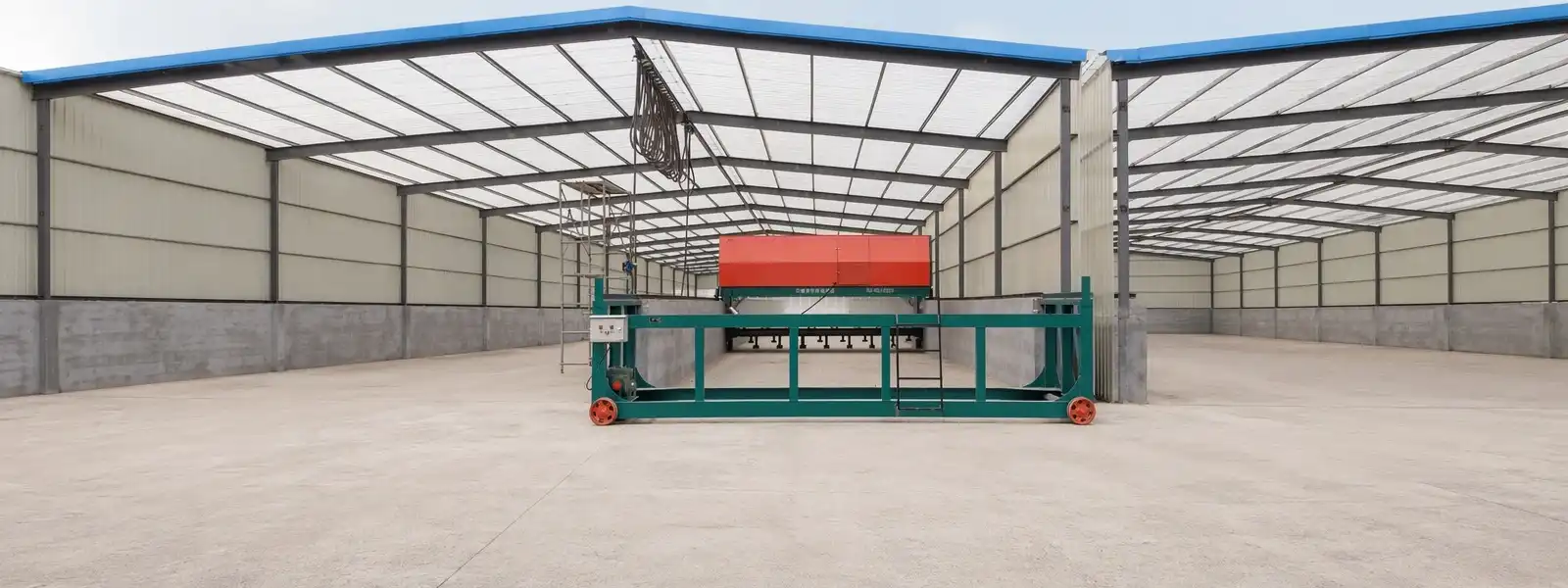
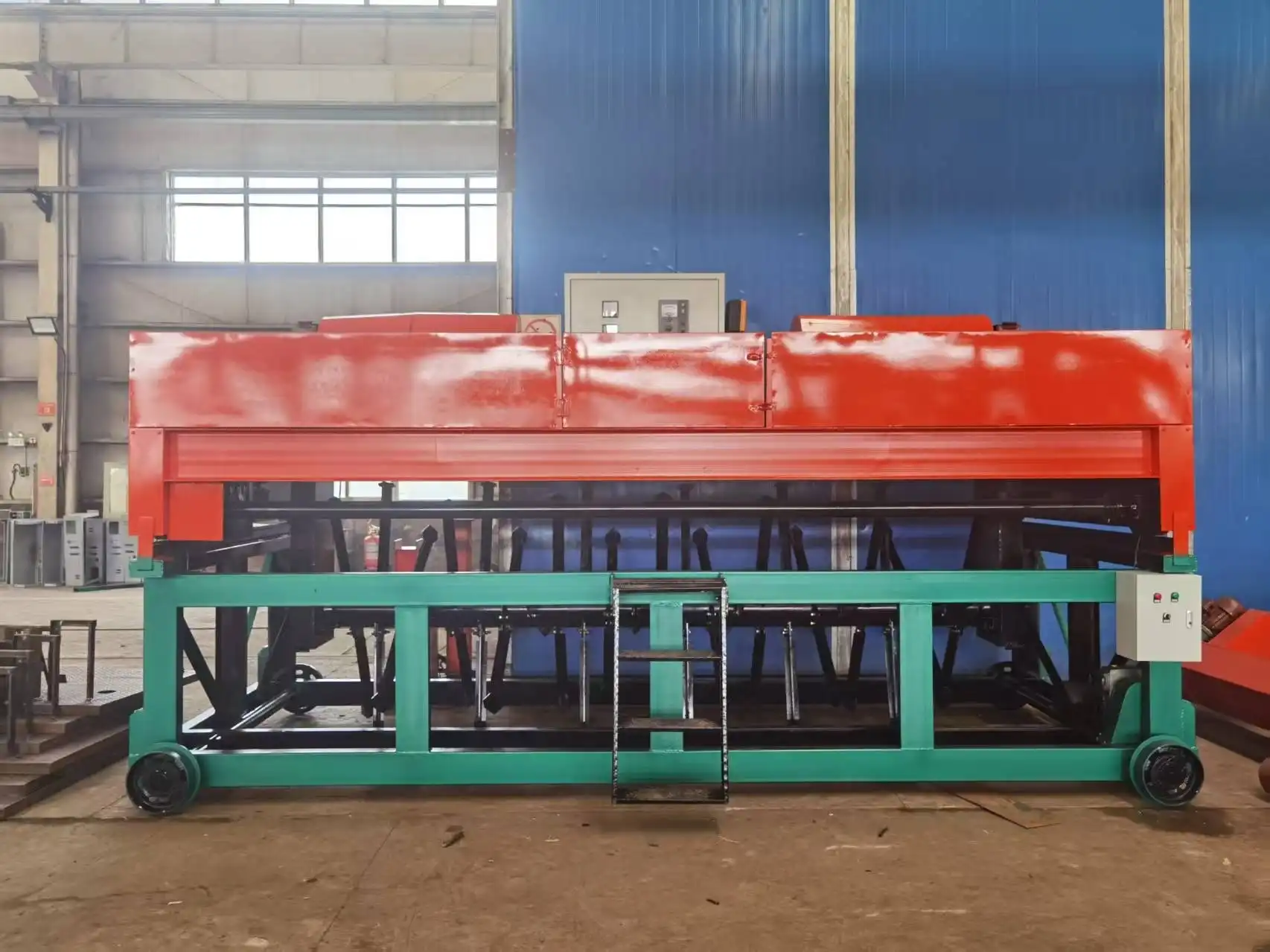
There are three main parts that all commercial compost turners have in common: a turning shaft that breaks up and mixes the pile, an aeration system that adds fresh air to the material, and a travel system that moves the machine along fermentation troughs. The YUXING YXFP-4000, which is talked about later in this piece, has all of these features: hydraulic lifts, remote control panels, and the ability to move multiple troughs.
Different Types of Manure Composting Machines and Their Working Mechanisms
Trough-Type vs. Windrow Turners
Trough-type turners work inside concrete channels that have already been built. This gives operators precise control over the shape of the piles, the retention of moisture, and the containment of smells. Windrow turners have to be used on flat, open land, like on fields with lots of land outside. Because external factors like rain, wind, and UV light are taken out of the equation in trough systems, the quality of the compost is usually more constant.
Manual Control vs. Automatic Operation
Basic models of composting equipment for manure have controls that are operated by hand, so a person runs the machine and watches it work in real time. Automatic systems use PLC controls and sensors to change the speed of movement, the depth of turn, and the frequency of aeration based on real-time oxygen and temperature readings. A fully automated unit can run a multi-trough operation with one worker watching over several fermentation channels at the same time, saving a lot of money on staff costs.
Electric vs. Diesel Power Options
Electric-driven turners are most common in indoor and semi-enclosed composting sites because they don't make any direct emissions and cost less per hour to run. Diesel models are useful for farms that are far away and don't have reliable grid access. When looking at energy costs, keep in mind that a normal electric trough turner running at 37–40 kW for eight hours a day costs a lot less to run than a gasoline unit of the same size. This is especially true as fuel prices rise in export markets across Africa and Southeast Asia.
Benefits and Environmental Impact of Using a Manure Composting Machine
Faster Cycles, Better Nutrient Retention
By controlling the pile's temperature and moisture, mechanical turning stops nitrogen from escaping. Studies in the journal Bioresource Technology show that static piles don't hold as much total nitrogen as mechanically aerated compost. That nutrient level has a direct effect on the market value of the end product for people who make organic fertilizer.
It's worth taking a close look at the practical benefits of using an industrial compost turner. Medium- to large-sized businesses always report the following main benefits:
- Cycle compression: Fermentation time drops from 90+ days to 7–15 days, freeing trough capacity for continuous throughput.
- Labor replacement: One machine covers work that would otherwise require four to six manual laborers per shift, cutting wage costs substantially.
- Odor control: Regular turning oxidizes volatile organic compounds before they accumulate, reducing neighborhood complaints and regulatory pressure.
- Volume reduction: Raw manure volume decreases by 40–60% during composting, lowering storage and transport costs for the finished product.
These improvements directly lead to a measurable return on investment (ROI) for farms that raise animals and fertilizer plants that deal with large amounts of waste every day. The production line works at a higher utilization rate when low-capacity changes over more quickly.
Environmental Compliance and Circular Economy Alignment
Methane is a greenhouse gas that is produced when manure is not managed properly. Over a 100-year period, it has about 28 times the warming effect of CO2 (IPCC, AR6). By keeping the pile oxygenated, active aerobic composting stops methane from being made. This is becoming more important in places where environmental officials are tightening rules on how much livestock businesses can discharge and emit.
How to Choose the Right Manure Composting Machine for Your Business
Match Capacity to Daily Waste Volume
Before you compare brands, you should figure out how much trash your business makes every day in cubic meters. A medium-sized chicken or pig farm that makes 150–250 m³ of dung every day needs composting equipment for manure with that much or more output. The YUXING YXFP-4000 can produce up to 200 m³/h and has a 4000mm center-to-center working width, which makes it a good choice for medium-scale operations with several fermentation troughs.
Evaluate Structural Durability in Corrosive Environments
Manure has a lot of water, ammonia, and organic acids that break down steel parts in just a few months. Cast steel travel wheels, heavy-gauge turning blades rated for high-abrasion materials, and a transmission system that is sealed are all things you should look for. The YXFP-4000 has 8 290 mm cast steel wheels, a 20A chain-and-sprocket transmission, and 2 cycloidal pinwheel reducers. These parts were picked to last a long time in settings where composting is done all the time.
Certifications, Support, and Multi-Trough Flexibility
When a machine has CE and ISO certification, it means that it meets widely accepted safety and performance standards. This is a must for businesses that operate in regulated markets. In addition to certification, you should also find out if one machine can handle more than one fermentation trough. The YXFP-4000 has a transfer car and a cable reel that let one unit move between troughs. This makes it much cheaper to buy equipment for each trough when facilities are growing. YUXING offers lifetime 7x24 after-sales support for all of its products, including help with installation, extra parts, and teaching on how to use them.
Maintenance Tips and Best Practices for Optimal Performance
Daily and Weekly Inspection Routines
A regular check plan keeps small wear from turning into expensive downtime. Before every shift, operators should make sure the blades are tight, the chain is oiled, and the wheels are lined up. As part of your weekly duties, you should check the hydraulic lifting system for leaks, clean the sprocket assembly of dirt, and make sure the remote control receiver works as expected.
Troubleshooting Common Faults
When the drive motor gets too hot, it usually means that either the airflow is stopped or the turning depth is too high. The YXFP-4000 can be set to move at speeds between 1 and 10 m/min, or the hydraulic lifting system can be used to raise the drum a little. Most of the time, uneven turning is caused by worn blades on one end of the shaft. Replacing them with matched pairs fixes the balance and keeps the two 18.5 kW motors safe from uneven load stress.
Planning for Long-Term Parts Supply
When used with normal loads, high-manganese steel blades in manure environments usually last two to three years. When looking for a machine, make sure the seller has spare parts in stock and can ship them abroad within a certain amount of time. YUXING keeps a stable supply chain for spare parts and works with clients in more than 50 countries, which lowers the chance of long-term problems with operations.
Conclusion
An animal manure composting machine uses mechanical turning, forced air flow, and temperature control to help the decomposition process go faster. What takes months in a pile that isn't controlled can be done in days in a trough system that is. Animal farms, organic fertilizer plants, and commercial composting businesses that deal with a lot of trash every day will quickly see that the right equipment pays for itself through lower costs, faster product turnover, and better compost quality. With a rate of 200 m³/h, the YUXING YXFP-4000 is perfect for businesses that can't afford downtime or uneven output. It also comes with CE/ISO certification.
FAQ
1. How long does a full composting cycle take with a mechanical turner?
Most companies can get finished compost in 7–15 days if they turn it every day and keep an eye on the moisture level. With static natural methods, it takes three to six months.
2. Can these machines process mixed organic waste beyond manure?
Yes, trough-type turners can handle mixtures of biosolids, crop residues, food waste, and manure. When high-moisture inputs are more than 65%, adding bulking agents like straw or sawdust improves airflow.
3. What is the expected service life of a commercial compost turner?
A well-built industrial turner will last 10 to 15 years with regular upkeep. Wear parts like drive chains and turning blades need to be replaced every so often, but they don't affect the frame or motor's life.
4. What moisture level should raw manure be before loading?
The amount of water in raw materials should be between 55% and 65%. What the machine is meant to avoid happens when the pile gets too dense, oxygen is limited, and anaerobic conditions set in.
Get a Manure Composting Machine Quote from YUXING Today
YUXING has been making fertilizer equipment for more than 20 years. Farmers and people who make organic fertilizer use it every day in more than 50 countries. YUXING's YXFP-4000 manure composting machine supplier team is ready to look at your daily waste volume, trough layout, and power supply to help you choose the best configuration. To get a price or talk about technology issues, email us at yuxing@hnyxmachinery.com.
References
1. Food and Agriculture Organization of the United Nations (FAO). Livestock's Long Shadow: Environmental Issues and Options. FAO, 2006.
2. Bernal, M.P., Alburquerque, J.A., & Moral, R. "Composting of Animal Manures and Chemical Criteria for Compost Maturity Assessment." Bioresource Technology, 2009.
3. Intergovernmental Panel on Climate Change (IPCC). Sixth Assessment Report (AR6): Climate Change 2021 — The Physical Science Basis. IPCC, 2021.
4. Rynk, R. (Ed.). On-Farm Composting Handbook. Northeast Regional Agricultural Engineering Service (NRAES), 1992.
5. Tiquia, S.M., & Tam, N.F.Y. "Fate of Nitrogen During Composting of Chicken Litter." Environmental Pollution, 2000.
6. Haug, R.T. The Practical Handbook of Compost Engineering. Lewis Publishers, 1993.

USER EVALUATE
Get your tailored fertilizer plant solution — contact us today.