




What is the working principle of a fertilizer granulating machine?
A fertilizer granulating machine converts loose powder or paste-form fertilizer materials into uniform, dense granules through mechanical force — either by extrusion, rotation, or agglomeration. The machine applies pressure, moisture, and motion to bind fine particles together, forming granules typically ranging from 2 mm to 10 mm in diameter. This process improves the physical properties of fertilizer products, making them easier to store, transport, and apply. Whether you run an organic fertilizer plant or a compound fertilizer operation, understanding how these machines work helps you choose the right equipment for your production goals.
Understanding the Working Principle of Fertilizer Granulating Machines
How Extrusion Granulation Works
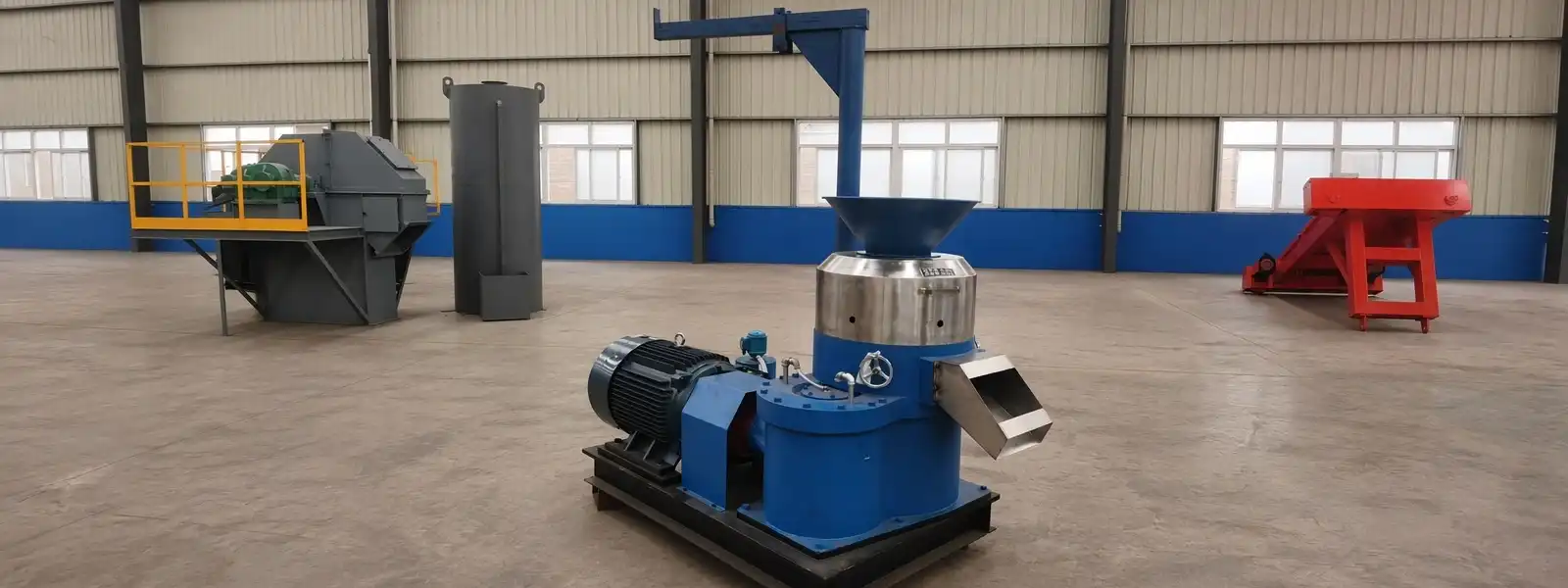
When raw materials are fed into extrusion-type granulators, they are forced between two rollers that spin counterclockwise or through a die. The pressure makes the powder into thick crystals that are shaped like cylinders or spheres, without adding heat or water. Materials with a wetness level between 15% and 30% can be used in this dry-to-semi-dry process. This is exactly how the YUXING YXJY-75 Extrusion Granulator works. It can make granules with a forming density of 0.8–1.2 g/cm³ at a rate of 4–7 t/h with a 75 kW motor.
Wet vs. Dry Granulation: Key Differences
In wet granulation, particles stick together inside a rotating drum or disk with the help of liquid binders or water. For biological products that naturally have a lot of water, this method works well. Dry extrusion granulation, on the other hand, only uses mechanical compression; there is no need for a drying step afterward, which saves energy. Dry extrusion often gives better granule consistency and lower operating costs per ton for medium-sized producers who work with organic waste, animal manure, or compound NPK powders.
Core Mechanical Components
An extrusion granulator is made up of four main parts: the feeding system, the pressure rollers or die plate, the cutting device, and the output chute. To keep the machine from getting stuck, the length of the material going into it must be ≤20 mm. The roller skin material has a direct effect on the quality of the granule surface and how long it lasts. Machines that meet ISO and CE standards, like the YXJY-75, are made with wear-resistant metal parts that can handle long production cycles of organic acids and chemical salts that break things down.
Key Benefits and Advantages of Fertilizer Granulating Machines
Higher Product Value and Market Acceptance
Granulated fertilizer always sells for more than powdered fertilizer. Distributors and stores in Nigeria, Vietnam, Brazil, and Poland all need uniform granules that are 2 to 10 mm in size to meet commercial standards. Granular goods are also needed by automated packaging lines because powdered fertilizer can't be properly bagged at high speeds. When you turn your powder into grains, you directly raise the price per ton and open up more sales channels.
Here are the main benefits that the YXJY-75 Extrusion Granulator gives to medium-sized fertilizer producers:
- Consistent granule size (Φ2–10 mm): Meets commercial distribution standards and supports uniform nutrient release in the field.
- Forming density of 0.8–1.2 g/cm³: Granules resist breakage during transport and resist moisture absorption during storage.
- 4–7 t/h output capacity: Aligns directly with upstream crushing and mixing equipment typical in medium-scale operations.
- Material moisture tolerance of 15%–30%: Reduces pre-drying requirements and accommodates variable raw material batches.
When farmers try to sell powdered fertilizer, the biggest problems they often run into are low prices, bad shelf presentation, and high transport losses. A fertilizer granulating machine directly addresses these problems.
Energy Efficiency and Continuous Operation
It has a 75 kW electric motor that runs the YXJY-75. This is cheaper over long production cycles than diesel motors. Electric granulators also produce fewer emissions, which is becoming more and more important in markets that have to follow environmental rules. The FAO published research that shows mechanized granulation can cut down on transport losses of fertilizer by up to 30% compared to handling powder. This directly improves a producer's bottom line over time.
Extended Machine Life Through Smart Design
Roller skins that don't wear down and contact areas that don't corrode make service times much longer. The YXJY-75's internal parts are meant to be inspected every 3,000 hours and replaced every 6,000–8,000 hours. This keeps unexpected downtime to a minimum. When you spend $3,000 to $30,000 on production tools, it's important to know that the machine meets foreign safety and performance standards. CE and ISO certifications prove this.
How to Operate and Maintain a Fertilizer Granulating Machine
Step-by-Step Operation Guide
First, check the particle size of the raw materials. All of the inputs should be ≤20 mm long. Before you start, check the wetness level. The YXJY-75 works best when the moisture level is between 15% and 30%. Do a test with no load first, keeping an eye on the noise level and warmth of the bearing (below 85 dB). Once it's stable, slowly add material and change the feed rate until it reaches the desired output. Watch the size and density of the granules at the point of release in real time. If the granules look too free or too fine, change the roller pressure.
Troubleshooting Common Issues
Uneven granule size is usually caused by inconsistent feed rates or uneven moisture levels in the raw materials. When moisture levels rise above 30% or when material that is too big skips pre-processing, clogging usually happens. Noises or vibrations that don't make sense are often signs that the rollers are out of rhythm. Dealing with these issues early on stops wear and expensive breaks from happening. 24/7 online technical support from YUXING helps workers fix problems quickly without having to wait for a technician to come to the site.
Maintenance Best Practices
Schedule cleaning for the end of each production shift to keep the die or roller case from getting clogged with material. As stated in the maintenance manual, all bearing points should be oiled after 200 hours of use. Every week, look at the roller skin surfaces for signs of wear. Change out old liners before they lower the quality of the granules. Keeping important spare parts like roller skins, cutting blades, and seals on hand greatly reduces the number of times that production has to be stopped.
Comparing Fertilizer Granulating Machines: Making the Right Choice
Extrusion Granulators vs. Disc and Drum Granulators
Disk granulators are good for small-batch production because you can see the granules form. Drum granulators are used in large industrial plants to grind up large amounts of NPK slurry. The YXJY-75 and other extrusion granulators, as granulation machine for fertilizer, are in the middle. They can handle medium-scale output (4–7 t/h) with high grain density and low moisture input, which makes them perfect for both making organic fertilizer pellets and compound fertilizer.
Matching Capacity to Your Production Line
A granulator that can handle 4–7 t/h can be used on normal medium-sized production lines with 3–6 t/h of output from mixing and crushing equipment ahead. When you choose a machine that doesn't have the right amount of capacity, it causes bottlenecks that slow down the whole line. This is the most common scale used by owners of organic fertilizer plants and companies that make compound fertilizer in Africa, Southeast Asia, and Central Asia. The YXJY-75 is the right size for this level of production.
Buying Considerations
The right machine depends on your budget, the size of the granules you need, the type of raw material you use, and the certification standards in your area. Buying directly from a factory that has been making things for more than 20 years lowers risk and unit cost. Customers from more than 50 countries can buy from YUXING. Customized equipment can be delivered in 15–20 days, and basic types are always in stock.
Procurement Guide: Where and How to Buy Fertilizer Granulating Machines
Factory-Direct Sourcing Advantages
You can get in touch with technical teams directly when you buy from a recognized fertilizer granulating machine maker instead of going through a middleman. YUXING provides factory-direct prices, custom configurations (including voltage standards, electrical component brands, and control systems), and container loading plans for 40GP or Open Top containers being shipped internationally.
Customization and Certifications
YUXING can customize OEM/ODM products with CE certification, Siemens or Schneider electrical parts, PLC control, international HMI interfaces, and your own logo. This is important for fertilizer makers in controlled markets or those making lines of fertilizer products for retailers.
After-Sales and Spare Parts Support
YUXING's after-sales team offers forever 7x24 service that includes installation advice, help with commissioning, user training, and ongoing spare parts advice. This support structure will keep your investment safe from the first day it is put in place until the end of its useful life.
Conclusion
A fertilizer granulating machine is one of the most useful pieces of equipment that a medium-sized fertilizer producer can buy. It turns low-value powder into a product that can be sold, is easy to transport, and can be sold for more money. It also meets the standards for commercial distribution. The YXJY-75 Extrusion Granulator from YUXING can produce 4–7 t/h, has grain sizes of ¦2–10 mm, and a forming density of 0.8–1.2 g/cm³. It was designed to meet the needs and budgets of organic and compound fertilizer producers around the world. It is a reliable long-term investment in production because it is CE/ISO certified and comes with full lifecycle support.
FAQ
1. What is the best granule size for commercial fertilizer sales?
For standard blends, most commercial distributors and retailers like granules that are between 2 mm and 4 mm. For specialty products, they may want up to 8–10 mm. The YXJY-75 can make granules from 2 mm to 10 mm in size, which lets manufacturers meet the needs of a wide range of markets.
2. How do I control granule density during production?
The roller pressure, feed rate, and raw material moisture all affect how dense the granules are. The YXJY-75 can form at a density of 0.8 to 1.2 g/cm³. The easiest ways to control output density are to keep moisture levels between 15% and 30% and keep feed pressure steady.
3. Can this machine handle both organic and compound fertilizer materials?
Yes. The YXJY-75 can handle a lot of different types of organic and compound fertilizer, such as compost, fermented animal dung, and NPK powder mixes, as long as the length of the material stays at or below 20 mm.
4. How often do roller skins need replacement?
Every 3,000 hours of use, roller skins should be inspected. Depending on how rough the material is, replacement is usually needed every 6,000 to 8,000 hours. YUXING keeps a steady stock of extra parts on hand to keep downtime to a minimum.
Get a Direct Quote from YUXING — Trusted Fertilizer Granulating Machine Supplier
YUXING has been making fertilizer equipment for more than 20 years. They offer factory-direct prices, CE/ISO-certified fertilizer granulating machines, and free expert help for life to customers in more than 50 countries. The YXJY-75 Extrusion Granulator is in stock and can be sent out right away. Talk to our team right away about your production needs, the type of raw material you use, and the size and shape of the granules you want. To get a personalized quote, email us at yuxing@hnyxmachinery.com.
References
1. Food and Agriculture Organization of the United Nations (FAO). Fertilizer Use by Crop. FAO, 2006.
2. Nunes, C.A., et al. "Granulation of Organic Fertilizers: Process and Quality Assessment." Biosystems Engineering, 2018.
3. Ennis, B.J., and Litster, J.D. "Particle Size Enlargement." Perry's Chemical Engineers' Handbook, McGraw-Hill, 1997.
4. International Fertilizer Association (IFA). Production and International Trade Statistics. IFA, 2023.
5. Mangwandi, C., et al. "The Mechanical Properties of Granules Produced in High Shear Granulation." Powder Technology, 2010.
6. Mortensen, P.M., et al. "A Comparative Study of Granulation Techniques for Fertilizer Production." Chemical Engineering Science, 2012.

USER EVALUATE
Get your tailored fertilizer plant solution — contact us today.