




How to choose the best fertilizer granulator machines
Choosing the right fertilizer granulating machine directly affects your production output, product quality, and profit margins. With so many granulator types on the market — extrusion, disc, rotary drum, and pelletizer — the decision can feel overwhelming. This guide walks you through the core concepts, key selection criteria, equipment comparison, maintenance tips, and procurement steps, so you can make a confident, informed purchase that matches your actual production needs.
Understanding Fertilizer Granulator Machines: Core Concepts and Working Principles
It's helpful to know how these machines work and what kinds of materials they can handle best before comparing them.
Wet Granulation vs. Dry Granulation
During wet granulation, liquid binders are added to powders to make pellets that stick together very well. Composted manure or municipal sludge are good examples of high-moisture organic materials that can be used. Extrusion granulators use dry granulation to press dry powder without adding water. This makes it perfect for complex fertilizers and NPK mixes where controlling moisture is very important. The granules made by each method are different in terms of density, hardness, and surface texture.
Raw Material Compatibility
Different granulators take in different materials. Chemical acids, mixed powders, fermented materials, and organic waste all need different types of machines. For instance, extrusion-type tools work best with materials that are 15% to 30% wetness and have particles that are less than 20 mm long. Knowing your raw material profile before you buy it will help you avoid costly problems where the features of the input and the machine's capabilities don't match up.
Machine Types and Their Applications
Rotating drum granulators are good for making a lot of NPK. Disk granulators work with small to medium amounts and can be seen and adjusted. Extrusion granulators make dense, uniform granules that are shaped like cylinders or spheres and don't need to be dried first. Pelletizers work with plant materials that are brittle. The first real choice you have to make when getting a machine is which type to go with your type of fertilizer (organic, compound, or specialty).
Key Factors to Consider When Choosing a Fertilizer Granulator Machine
In order to make the right choice, you need to look at both technical details and business-level factors.
Granule Size, Density, and Moisture Tolerance
Granule size depends on who you're trying to reach. Most people who buy commercial fertilizer want granules that are between 2 and 10 mm in size and have a forming density of 0.8 to 1.2 g/cm³. These are the right sizes for automated packing, store display, and regular use in the field. Tolerance for moisture is also important. A machine that can handle 15% to 30% material wetness gives you options when the conditions of the raw material change with the seasons or the source.
Production Capacity and Energy Efficiency
A 75kW motor is enough power for a medium-sized fertilizer granulating machine producing 4–7 t/h without spending too much on energy. The FAO's 2022 fertilizer market report says that stable granule output is directly linked to lower costs for sorting after production. By matching the output of your upstream crusher and mixer with the capacity of your equipment, you can avoid production problems that waste time and resources.
Supplier Reliability, Certifications, and After-Sales Support
CE and ISO certifications are a must for buyers who want to export and for sellers who want to sell to regulated markets. Besides certifications, check to see if the seller provides help with installation, access to spare parts, and expert support from afar. Wear parts like roller skins and dies need to be replaced from time to time. For long-term operational planning, you need to know the lead time and cost for these parts before you buy them.
Comparing Popular Fertilizer Granulator Machines in the Market
Knowing the pros and cons of each type of machine will help you spend your money wisely.
Wet Granulators vs. Dry Extrusion Granulators
Wet granulators make round, smooth pellets that stick together very well, but they need drying and cooling equipment further down the line, which raises the cost of the capital. Dry extrusion granulators don't dry the product at all, which saves money on equipment and energy per ton. Extrusion granulation is a more direct way to make things for people who work with compound fertilizers or organic material that has already been dried.
Rotary Drum Granulators vs. Disc Granulators
Rotary drum machines work best in places where flow is very important, like constant, high-volume production. By changing the disc's angle and speed of spinning, users can see the granule size more clearly in real time and more easily. Disk granulators are useful for medium-sized plants that need to be able to use a variety of fertilizer recipes. Rotating drum machines cut down on the amount of work that needs to be done in factories that make a single, high-volume product.
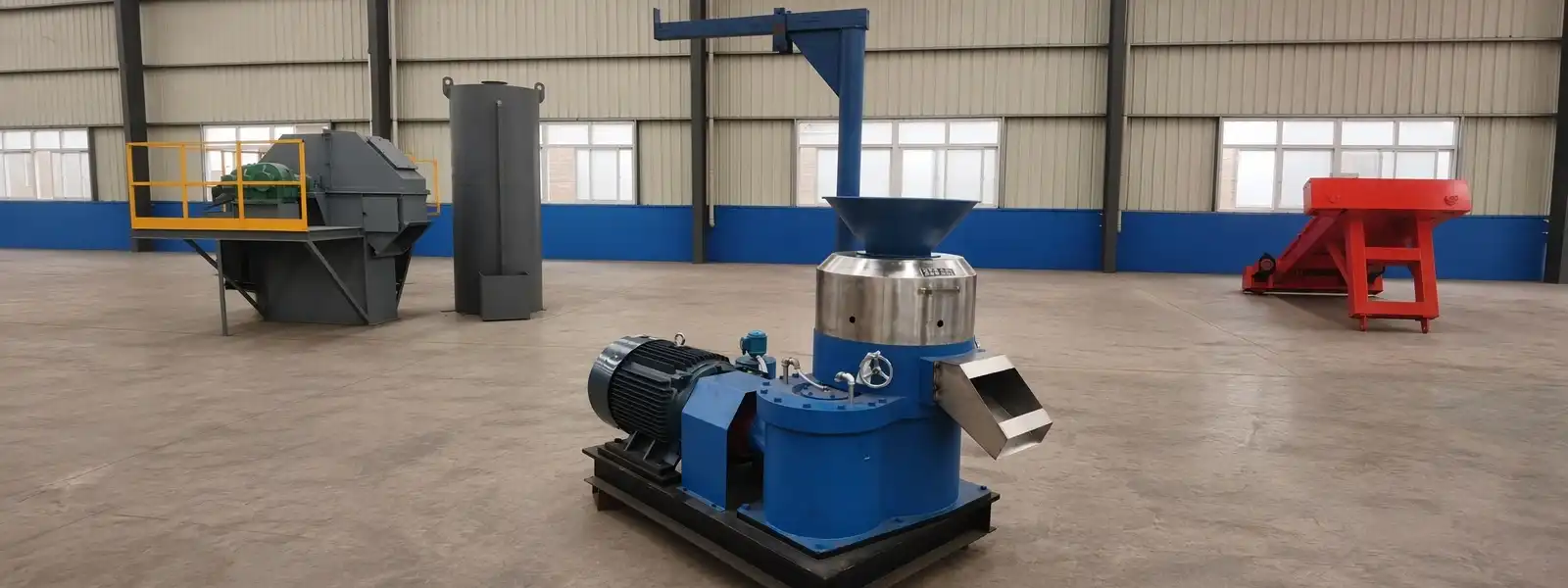
The YUXING YXJY-75 Extrusion Granulator
It is meant to make 4–7 t/h of fertilizer pellets, and that's what the YXJY-75 does. It works with materials that are 15% to 30% wet, takes in lengths up to 20 mm, and makes granules that are 2 to 10 mm across and 0.8 to 1.2 g/cm³ in density. It has a 75kW motor and turns powdered fertilizer into uniform grains that meet standards for storage, shipping, appearance, and use in the field. It has CE and ISO certifications and comes with a lifetime 7x24 service guarantee that includes help with installation, help with operation, and advice on spare parts.
Practical Tips for Maintaining and Optimizing Your Fertilizer Granulating Machine
Maintenance that is done right protects product quality and extends the life of equipment.
Daily and Weekly Maintenance Routines
Every day, the feed rate, the amount of moisture in the material, and any strange noises or vibrations should be checked on your fertilizer pellet machine. During continuous operation, the bearing temperature and sound levels must stay below 85dB. As part of the weekly tasks, moving parts need to be oiled and die holes need to be checked for blockages. The two most common problems in production that these processes stop are uneven granule size and unplanned downtime.
Managing Wear Parts and Replacement Schedules
Fertilizer salts and organic acids wear down roller skins, dies, and internal fillers all the time. Standard data from the industry shows that internal covers need to be inspected every 3,000 hours of use and replaced every 6,000 to 8,000 hours, based on how rough the material is. Repair times can be cut from weeks to hours by keeping a small stock of important wear parts on-site.
Coordinating with the Full Production Line
A granulator works best when it gets input that is always ready to go. Upstream mixers have to bring in materials that are the right amount of dry matter and particle size. Dryers, coolers, and screeners further down the line must match the granulator's output rate. When line parts aren't lined up right, it leads to inventory back-ups and higher re-processing costs. As important as the granulator itself is, a production line that works well together.
How to Procure Your Ideal Fertilizer Granulator Machine: A Step-by-Step Guide
A structured method to buying keeps mistakes from costing a lot of money.
Define Your Technical Specifications First
Write down the amount of capacity you need, the range of acceptable granule sizes, the types of raw materials you'll be using, their moisture content, and the voltage standard in your country before you contact any suppliers. All RFQs will be based on this specification sheet, which makes it possible to compare suppliers objectively instead of just based on sales pitches.
Evaluate Suppliers Beyond Price
Ask for certifications from the plant, client references, and trial test results. Find out exactly what spare parts are available in your area and how long it usually takes for technical support requests to be answered. If a supplier has been making things for more than 20 years and exports to more than 50 countries, you can be sure that their production and service processes have been tested in real life. This is more important than catalog specifications.
Negotiate Delivery, Terms, and Customization Options
Check the production wait times. Standard equipment usually ships from stock, but custom designs need 15–20 days to be made. Talk about the guarantee terms, how to pay, and how to package things for foreign shipping. For big pieces of equipment, ask the seller if they can offer modular disassembly and custom packing plans for containers to save money on freight costs.
Conclusion
To choose the best fertilizer granulating machine, you need to make sure that the machine's specs match your raw materials, output scale, and the needs of the market. Pay attention to the range of granule sizes, the amount of moisture that can be tolerated, the orientation of the capacity, the cost of the wear parts, and the quality of the provider support. The YUXING YXJY-75 Extrusion Granulator can produce between 4 and 7 t/h and has been tested and proven to work well. It is CE/ISO certified and comes with full after-sales support. In the long run, it saves you money and time to make organic fertilizer or compound blends if you buy equipment that was made for those inputs.

FAQ
1. What raw materials can a fertilizer granulating machine process?
Extrusion granulators can work with a lot of different materials, such as composted manure, crop waste, chemical compound powders, and NPK blends. For best function, the material should have particle lengths less than 20 mm and a moisture level between 15% and 30%.
2. How do I determine the right production capacity for my plant?
The output of your granulator should match the capacity of your upper crushers and mixers. If a company wants to make 4–7 t/h, a 75kW extrusion granulator will do the job without making the motor too big or wasting energy on standby power.
3. What causes inconsistent granule size?
Granule size that isn't constant is usually caused by different particle sizes in the raw material or an incorrect feed rate.
4. How often do wear parts need replacement?
Depending on how rough the material is, internal liners and rollers should be checked every 3,000 hours and replaced every 6,000 to 8,000 hours. Keep important spares on-site to avoid long periods of downtime.
Get Your Free Quote from YUXING — Trusted Fertilizer Granulating Machine Supplier
YUXING has been making fertilizer equipment for more than 20 years and has helped customers in more than 50 countries set up complete production lines and get full expert support. The YXJY-75 fertilizer granulating machine can handle 4–7 t/h, is CE/ISO certified, and comes with lifetime 7x24 service. Email yuxing@hnyxmachinery.com to get in touch with our team right away for a custom quote or technical advice.
References
1. Food and Agriculture Organization of the United Nations. World Fertilizer Trends and Outlook to 2022. FAO, 2022.
2. International Fertilizer Association. Fertilizer Outlook 2023–2027. IFA, 2023.
3. Mikkelsen, R. & Howe, J. Fertilizer Technology and Use, 4th ed. Soil Science Society of America, 2019.
4. European Committee for Standardization. EN 13977: Agricultural Machinery — Safety. CEN, 2021.
5. Rumpf, H. "The Strength of Granules and Agglomerates." AICHE Symposium Series, 1962.
6. Zhang, Q. et al. "Effect of Granulation Parameters on the Quality of Compound Fertilizer Pellets." Biosystems Engineering, 2020.

USER EVALUATE
Get your tailored fertilizer plant solution — contact us today.