




What is a Hydraulic Compost Turner?
A hydraulic compost turner is a heavy-duty machine built to automate the aeration, mixing, and breakdown of organic waste in windrow composting systems. It uses a hydraulic drive system to power both the turning drum and the travel mechanism, delivering high torque and precise speed control. This design makes it far more capable than manual or electric-only alternatives when processing dense, high-moisture materials like livestock manure, filter mud, or spent grains — materials common in industrial organic fertilizer production and large-scale agricultural waste management.
Understanding Hydraulic Compost Turners: Definition and Core FunctionsWhat Does a Hydraulic System Actually Do in a Turner?
The hydraulic system uses pressurized fluid power instead of a mechanical belt drive transmission. When the drum hits a thick patch of material, hydraulic pressure valves avoid stopping the engine because of the load. This keeps the machine from overheating. This leads to fewer breakdowns and more consistent turning performance even when the pile conditions are different. Most good tools have hydraulic seals that can handle forces above 20 MPa without leaking.
Windrow Turner vs. Groove Turner
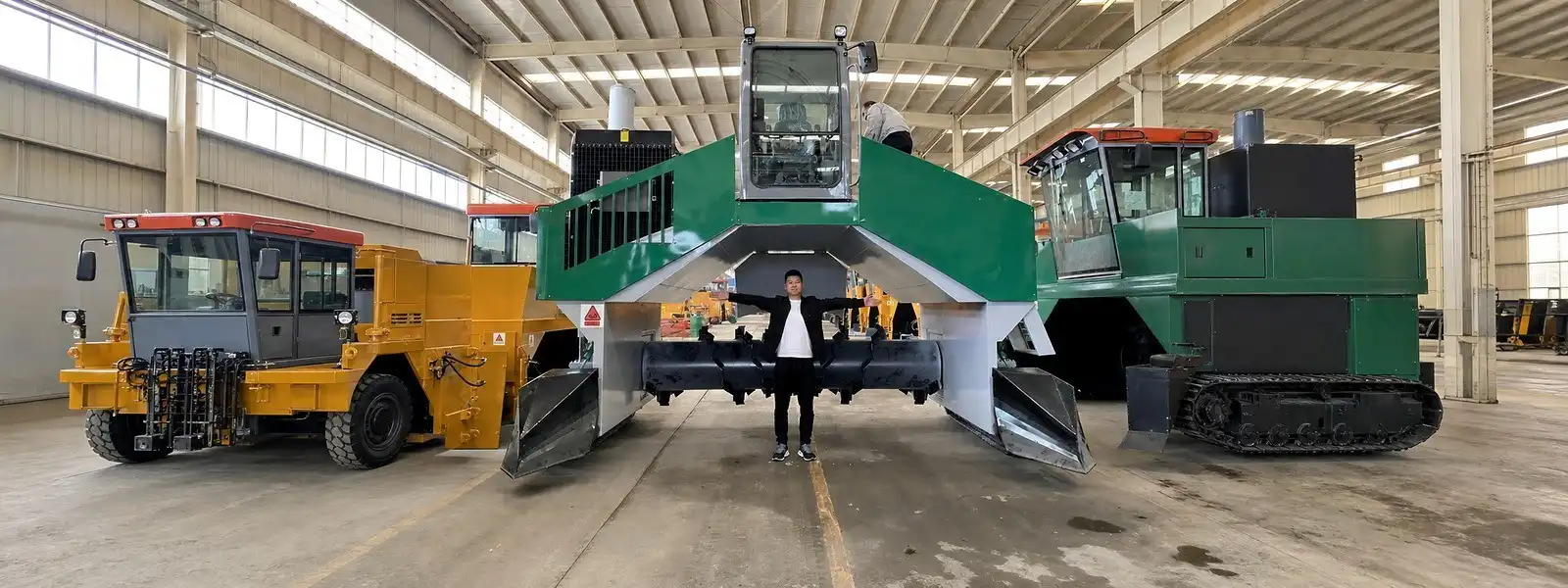
Windrow turners are great for big yards because they can be used on waste rows that stand alone. For facilities with structured bays, groove (trough) turners that run on rails inside closed fermentation channels are best. The YXFD-3500 Crawler Compost Turner from YUXING is a self-propelled windrow turner that can handle piles up to 3,500 mm wide and 1,600 mm high. It is perfect for medium- to large composting yards that need to get a lot of work done in a small amount of room.
How the Turning Drum Works
The 910 mm drum with bolt-on alloy blades moves through the compost pile, picking up, breaking up, and putting down new material. With each pass, new air is added to the pile, which speeds up the activity of aerobic microbes. At speeds of up to 15 m/min, the YXFD-3500 can handle 1,100–1,300 m³ per hour, which is a good throughput number for sites that have to deal with the daily manure output from large animal herds.
Benefits of Using Hydraulic Compost Turners in Industrial Composting
Using a machine instead of managing piles by hand changes how much it costs and how well it works for the whole composting process. Here are the main benefits you should think about:
- Faster fermentation cycles: Regular mechanical turning with a hydraulic compost turner keeps oxygen levels high throughout the pile, supporting active microbial populations. The YXFD-3500 can help shorten fermentation time by up to 30% depending on material type and process conditions, bringing cycles down to 7–15 days from what can otherwise take months.
- More uniform compost quality: Manual turning leaves cold, anaerobic zones near the pile center. The drum's full-width pass eliminates these dead spots, producing finished compost with consistent moisture, temperature, and microbial activity across the batch.
- Lower labor costs: One operator running a crawler turner replaces a team of workers with hand tools or front-end loaders. Over a season, that shift in labor allocation has a measurable impact on operating margins.
- Reduced odor and environmental complaints: Anaerobic fermentation generates hydrogen sulfide and ammonia. Adequate aeration keeps the process aerobic, which significantly reduces odor — a practical concern for facilities near residential areas.
- Costs of work are lower: One person driving a crawler cutter can do the work of several people using hand tools or front-end loaders. Over the course of a season, that change in how workers are assigned has a real effect on running profits.
- Fewer complaints about smells and the environment: Hydrogen sulfide and ammonia are produced during anaerobic fermentation. As long as there is enough airflow, the process stays aerobic, which greatly lowers the smell, which is important for sites that are close to residential areas.
Key Considerations When Choosing a Hydraulic Compost Turner
Matching Capacity to Daily Waste Volume
The first number to check is the processing capacity. A place that makes 500 m³ of raw manure every day needs a machine that can turn the whole active windrow area in a reasonable amount of time every day. With a speed range of 1,100 to 1,300 m³/h, the YXFD-3500 can handle big jobs without having to make multiple passes, which waste time and fuel.
Power Supply and Site Compatibility
Because it has a 125 kW (about 170 HP) diesel engine, the YXFD-3500 doesn't need to be connected to the local power grid. In parts of Africa, Southeast Asia, and Central Asia, this is important for farming because the three-phase electricity source isn't always reliable.
Blade Durability in Corrosive Environments
Chemicals are attacked when manure ferments. The YXFD-3500's blades are made of alloy parts that can be easily replaced in the field without the need for welding. To protect the frame from the acidic climate of active compost, anti-corrosion coatings are applied to a certain thickness. These are the real-world details that decide how long something will actually last, not the ideal number on a spec sheet.
Operational Guide and Maintenance Tips for Optimal Performance
Pre-Operation Checks
Before each shift, the operator should check the amount of hydraulic fluid, look for seepage in the hose connections, check the torque of the blade bolts, and make sure there is no debris in the journey path that is bigger than 250 mm on the hydraulic fertilizer turner. These checks don't take long—less than ten minutes—but they stop most unplanned stops.
Hydraulic System Maintenance Schedule
After 500 hours of use, the hydraulic oil should be changed. After that, it should be changed every 1,000 to 1,500 hours, based on how much dust is in the air. The YXFD-3500 has a built-in forced-air oil cooler that keeps the fluid temperature in the best range of 40–60°C during the summer. This is an important feature for sites that are located in warm areas. Every time you change the oil, check the hydraulic filters.
Spare Parts and OEM Support
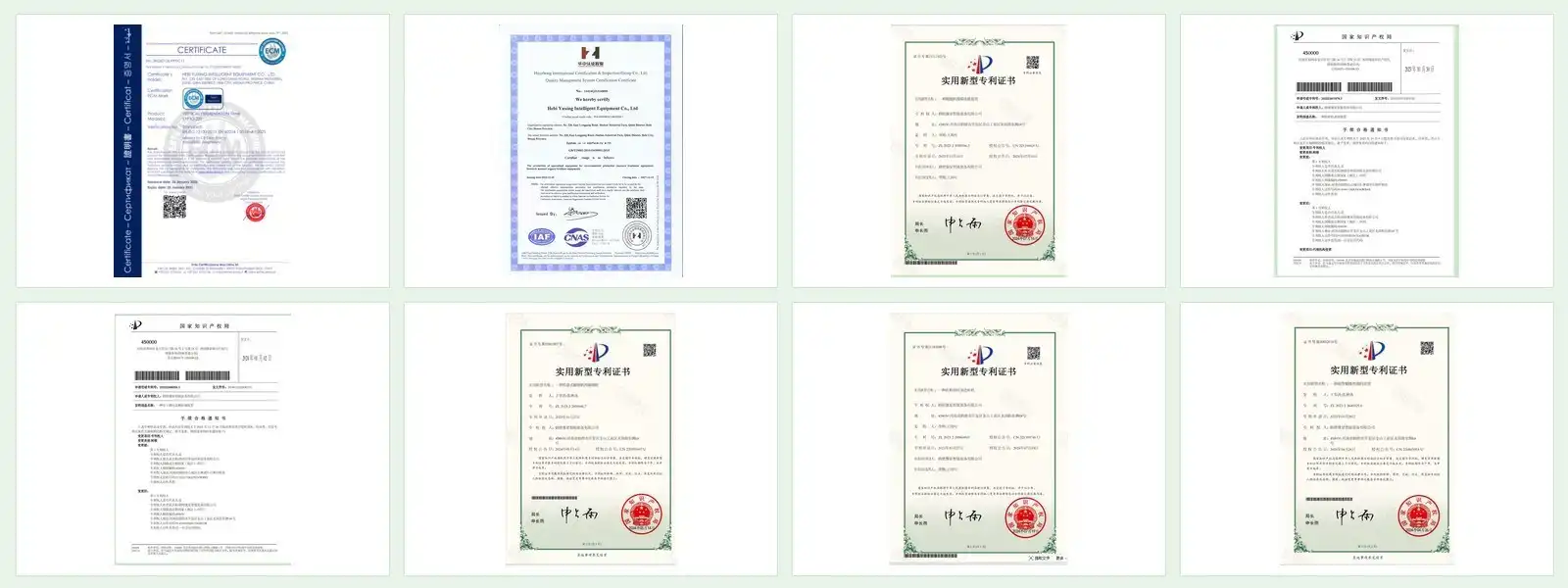
YUXING keeps blades, hydraulic seals, and drive parts in stock for when they wear out. The YXFD-3500 is CE and ISO approved, and YUXING offers lifetime support that includes help with installation, training on how to use the machine, and advice on extra parts. As important as the machine's specs are, you should also make sure you know how to get spare parts before you buy it.
Procurement and Supplier Insights for Hydraulic Compost Turners
Purchase vs. Leasing
For medium- to large businesses that produce a lot of waste on a regular basis, buying something outright is usually a better long-term investment than renting. The cost of the machine is covered by the time and work that it saves on daily tasks. People on a tight budget can find a wide range of machines between $3,000 and $35,000. These range from simple turners to full-scale industrial machines like the YXFD-3500.
What to Verify Before Ordering
Ask each seller for proof of their CE and ISO certification, not just promises. Check the loading plans for the containers that will be coming to your port. YUXING has direct experience shipping via 40GP and Open Top containers, and they can be taken apart in modular ways for oversize configurations. Ask for references from buyers who have bought similar items or been in similar situations to you.
Customization Options
OEM and ODM designs are available from YUXING. These include voltage adaptation, electrical component brand selection (Siemens, Schneider), PLC control systems, multilingual operator interfaces, and custom paint finish. Facilities in areas where regulations are strict can ask for paperwork and tool sets that are in line with local standards.
Conclusion
A crawler hydraulic compost turner fixes the three practical issues that stop most large-scale composting projects from working: slow fermentation, uneven pile aeration, and a need for a lot of labor. The YXFD-3500 from YUXING can handle all of these issues because it has a processing rate of 1,100–1,300 m³/h, a strong bolt-on blade system, and is powered by diesel, so it doesn't need to be plugged into the wall. YUXING has been making things for more than 20 years and has customers in more than 50 countries. They stand behind their equipment with real technical knowledge and a 24/7 commitment to customer service after the sale.
Frequently Asked Questions
1. How often should hydraulic oil be replaced?
Replace hydraulic oil after the first 500 operating hours, then every 1,000–1,500 hours based on site dust levels. Contaminated oil accelerates seal wear and reduces system efficiency.
2. Can the machine handle manure with moisture content above 70%?
Yes. The high-torque hydraulic drive prevents drum clogging at elevated moisture levels. Adding bulking agents like straw or rice husks at a 1:3 ratio improves aeration and keeps the process aerobic.
3. What is the advantage of hydraulic lifting over manual height adjustment?
Hydraulic lifting lets the operator adjust drum height in real time to match actual pile dimensions, reducing the time spent repositioning the machine between windrows.
4. Are replacement blades easy to source?
The YXFD-3500 uses bolt-on wear-resistant alloy blades replaceable in the field without welding equipment. YUXING maintains spare parts inventory and ships globally.
Get a Direct Quote from YUXING — Hydraulic Compost Turner Supplier
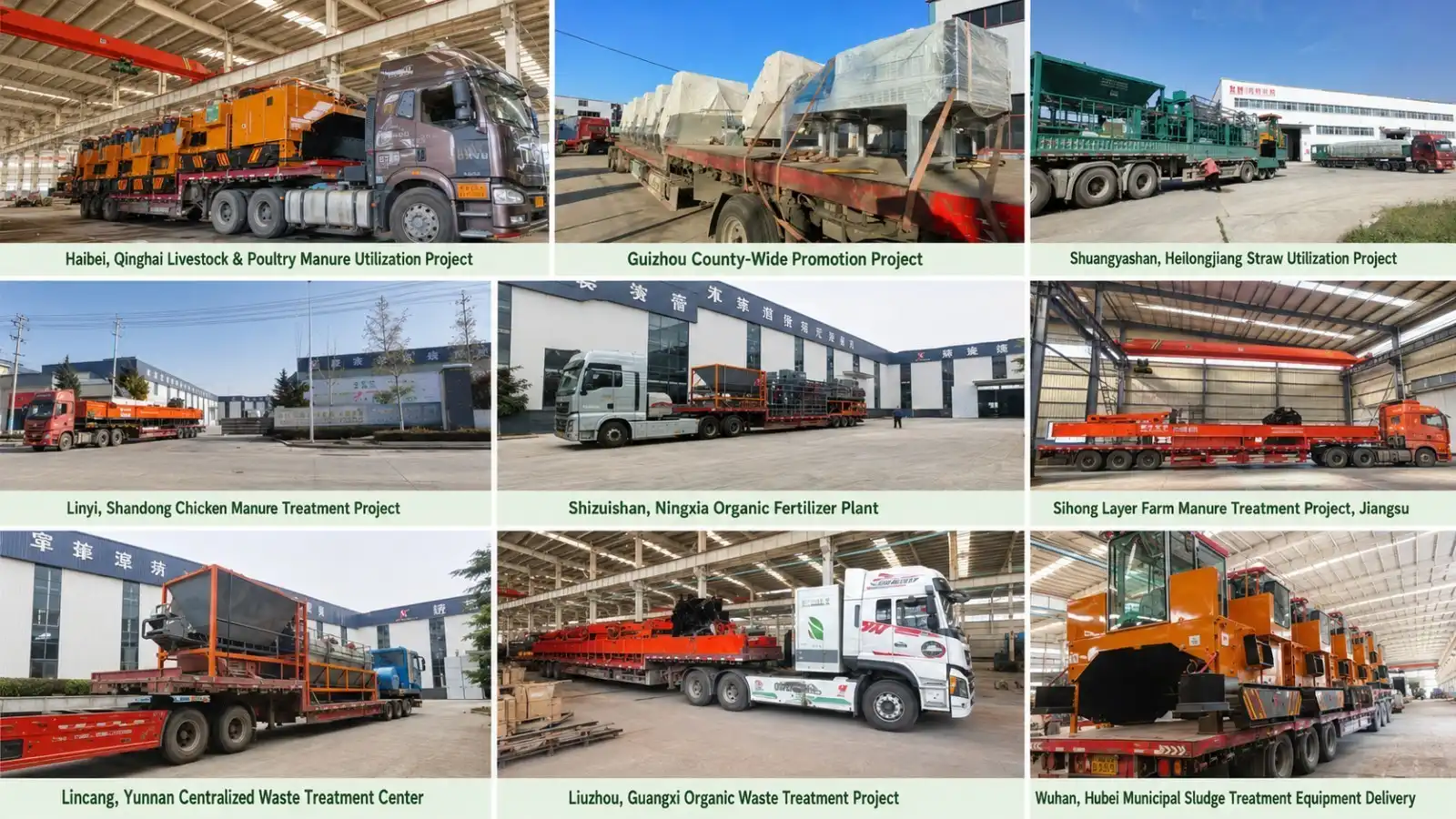
YUXING has been making fertilizer equipment for more than 50 countries for more than 20 years, and the YXFD-3500 Crawler Compost Turner shows how much experience they have in the field. As a reliable hydraulic compost turner manufacturer, we offer machines that are CE and ISO certified, fast shipping around the world, and technical support for life. For details, prices, or suggestions that are special to your site, please email us at yuxing@hnyxmachinery.com.
References
1. Haug, R. T. The Practical Handbook of Compost Engineering. CRC Press, 1993.
2. Rynk, R. (Ed.). On-Farm Composting Handbook. Northeast Regional Agricultural Engineering Service, 1992.
3. Epstein, E. Industrial Composting: Environmental Engineering and Facilities Management. CRC Press, 2011.
4. FAO. Livestock's Long Shadow: Environmental Issues and Options. Food and Agriculture Organization of the United Nations, 2006.
5. Bernal, M. P., Alburquerque, J. A., & Moral, R. "Composting of animal manures and chemical criteria for compost maturity assessment." Bioresource Technology, 2009.
6. Barthod, J., Rumpel, C., & Dignac, M.-F. "Composting with additives to improve organic amendments." Agronomy for Sustainable Development, 2018.

USER EVALUATE
Get your tailored fertilizer plant solution — contact us today.