




How to use an organic fertilizer fermentation tank to turn waste into treasure?
Using an organic fertilizer fermentation tank means loading pre-treated organic waste — livestock manure, food scraps, or agricultural residues — into an enclosed vessel where temperature, aeration, and moisture are precisely controlled. Beneficial microbes break down the material over 7–15 days, generating internal heat that kills pathogens and weed seeds. The result is stabilized, nutrient-rich compost ready for bagging or direct land application. Compared to open windrow composting, which takes 2–3 months, this closed fermentation method dramatically cuts cycle time, eliminates odor complaints, and produces consistent output regardless of outdoor weather.
Understanding Organic Fertilizer Fermentation Tanks
How the Technology Works
A controlled microbial environment is made by a fermentation vessel that is closed off. Forced aeration brings oxygen to aerobic bacteria, which heats the inside of the container to 55–70°C through metabolic processes. Following USDA and EPA composting standards, this thermophilic phase cleans the material by keeping it at 55°C for at least three days in a row to meet pathogen-reduction requirements.
Aerobic vs. Anaerobic Systems
Continuous fans and mixing rods keep the oxygen level steady in aerobic tanks. They work on things faster (7–15 days) and smell better. Anaerobic digesters don't need air to work. They make biogas as a byproduct but need longer holding times. The aerobic system is better for most livestock farms and fertilizer plants that process 5–8 m³ of waste every day because it is faster, better at controlling smells, and makes better output.
Core Components That Matter
Three important processes are shared by all high-performance fermentation vessels. The ventilation device makes sure that air moves evenly through the mass. A device for movement keeps the mixture from compacting and makes sure that the heat is spread evenly. The temperature tracking network, which is made up of PT100 probes, keeps an eye on the fermentation curve in real time to make sure that the thermophilic phase lasts long enough to meet sanitation standards and make approved organic fertilizer.
Step-by-Step Process of Using an Organic Fertilizer Fermentation Tank
Step 1 — Material Preparation and Pre-Treatment
Before it can be loaded, raw organic garbage must be 50 to 65% wet. If the manure or sludge is too wet, add dry bulking agents like straw or sawdust in a way that makes the mixture right. The amount of carbon to nitrogen (C/N) should be between 25:1 and 35:1. Things outside of this window ferment more slowly and make less output. Pre-shredding big crop residues to less than 50 mm also makes microbial colonization go much faster.
Step 2 — Loading, Aeration, and Temperature Control
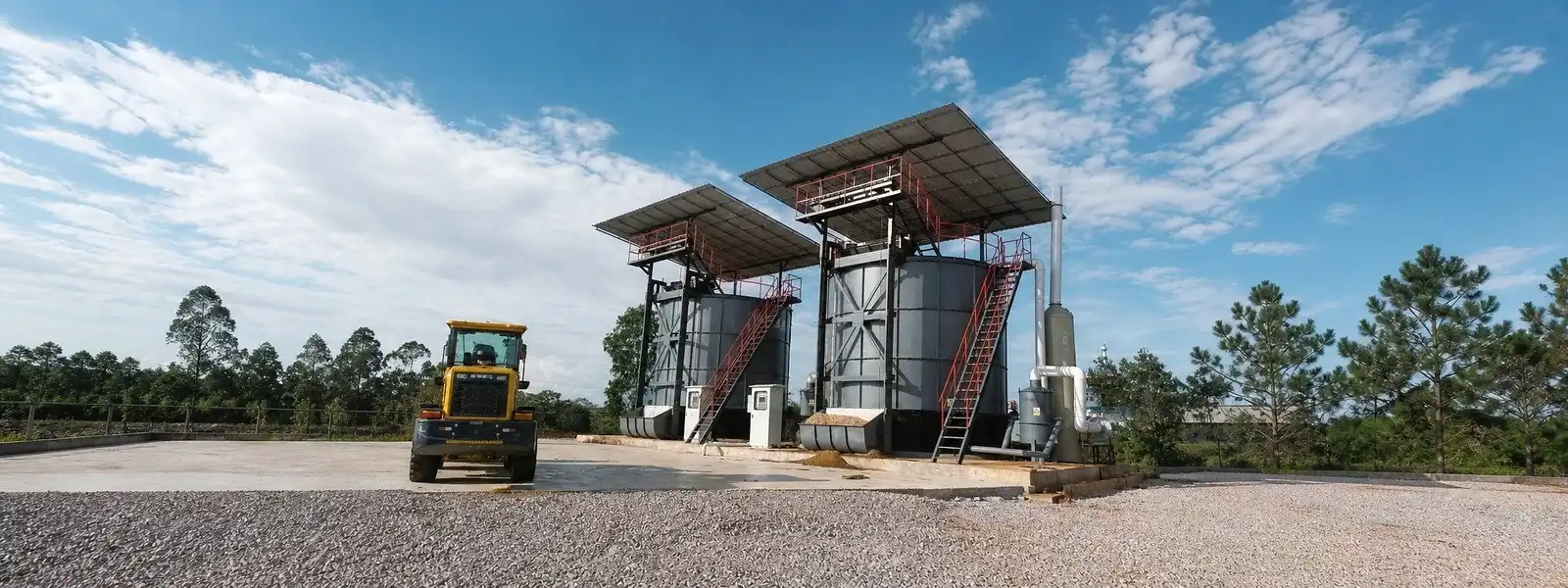
Put the feed through the hopper and let the blower system keep the air moving throughout the cycle. The 12.5 kW blower on the YUXING YXFJG-70 organic fertilizer fermentation tank moves up to 1,000 m³ of air per hour at a maximum pressure of 28 kPa. This keeps oxygen levels at all depths at the right level. The Siemens PLC constantly checks the temperature sensors and changes the time between air cycles on its own. Aim for temperatures between 60°C and 70°C from days 3 to 7. After that, let the plant naturally cool down, which means it is biologically stable.
Step 3 — Monitoring, Troubleshooting, and Discharge
Make sure you check the PLC dashboard or the remote app every day. If the temperature stays below 50°C for a long time, either increase the frequency of aeration or check the moisture levels. If smells come out of the deodorization tower, make sure the bio-filter media is not full. The batch is ready to be sent out once the temperature inside drops naturally and the material turns dark brown and smells earthy. The YXFJG-70 makes 2.5–5 m³ of finished compost every cycle. The whole process takes place inside the 70 m³ tank, which has a small 52 m² footprint.
Choosing the Right Organic Fertilizer Fermentation Tank for Your Business
Sizing to Match Your Daily Waste Volume
First, figure out how much trash is made every day. The YXFJG-70 can handle 5–8 m³ of manure per day, which is the exact amount that a medium-sized cow or chicken farm would produce. Oversizing wastes money and time, while undersizing causes work to pile up. Match the tank's capacity to at least 10–15 days' worth of material buildup so that the thermophilic phase can go on without any breaks.
Evaluating Automation and Energy Efficiency
Large and medium-sized businesses worry about the cost of labor. With a 10-inch HMI tablet and remote APP control, the YXFJG-70 is controlled by Siemens PLC logic. This means that one person can oversee the whole fermentation process from their phone. The total fixed power is 30.07 kW, and the average working power is about 20 kW, which is enough to run a few home air conditioners. The 52 mm polyurethane insulation layer keeps heat inside, so even in cold places, less energy is needed to keep thermophilic temperatures.
Material Construction and Procurement Options
The acids that are produced during active fermentation are less likely to damage stainless steel than plain carbon steel. The YXFJG-70 is certified by both CE and ISO, so it can be brought into Europe, Southeast Asia, and Africa. YUXING has both basic production units that can be sent out right away and customized configurations that have a production wait time of 15–20 days. Customers can choose the brands of electrical parts, the languages used for the control interface, the voltage standards, and the paint finishes. This means that the unit can be used in local regulatory environments without any other changes being made in the field.
Case Studies: Successful Implementation of Organic Fertilizer Fermentation Tanks
Livestock Farm Application
A medium-sized pig farm in Southeast Asia put in a 70-meter-tall vertical aerobic fermentation unit, a compost fermentation tank. The farm makes about 7 meters³ of manure every day. Within 10 days of the first loading, the output temperature consistently went above 65°C, showing that the pathogens were killed. The farm got rid of all of its outside waste pads, freeing up more than 400 m² of land that had been used for windrow rows. The cost of bought fertilizer dropped by about 30% a year when fertilizer was made on-site.
Industrial Organic Waste Processing
In order to meet the stricter regional emission limits that went into effect in 2022, a municipal organic waste processor in Eastern Europe that deals with food waste and sewage sludge switched to a closed fermentation system. A two-year history of smell concerns was resolved when the sealed design stopped the release of VOCs and ammonia near residential areas. Automation cut the number of shift workers needed from three to one per cycle, and logs made by the PLC met all local environmental audit standards.
Circular Economy Integration
Several farming groups in Central Asia have put together oxygen fermentation tanks and processing lines further downstream to make organic fertilizer that is ready to be sold in bags. The controlled process keeps the nitrogen content higher than open composting. A study published in Bioresource Technology in 2021 found that enclosed aerobic systems kept 15–25% more total nitrogen than open windrow methods. This directly makes each finished batch more valuable for business.
Best Practices for Maintenance and Long-Term Operation
Routine Inspection and Cleaning
Every week, check the agitation shaft, bearings, and hydraulic seals. The YXFJG-70 has a 300 L oil tank and an 11 kW hydraulic system. The quality of the hydraulic oil should be checked every 500 hours of use, and it should be replaced once a year. The bio-filter media in the deodorization tower should be cleaned every 90 days, and the 15-meter chimney outlet should be checked for blockages every 30 batches. Keeping a repair log that is in sync with the PLC's working hours makes it easier to file guarantee claims and order extra parts.
Extending Service Life
Flush the air lines at the end of each season to get rid of fines that have clumped together. In hot or seaside areas, paint the outside of steel surfaces once a year. Every six months, the 52 mm polyurethane insulation panel should be looked at to see if it has come apart. Any wetness getting into the insulation layer raises the cost of running the system and makes it less stable over time.
Regulatory and Safety Compliance
When handling organic garbage in the United States, the EPA's Part 503 rule says how to get rid of pathogens. The Siemens PLC automatically records operating logs that show temperatures staying above 55°C for three days. These logs meet Class B virus reduction verification requirements. For export markets, the YXFJG-70's CE-certified design meets the requirements of the European Machinery Directive. This makes it easier to clear customs in more than 50 countries where YUXING equipment is already used.
Conclusion
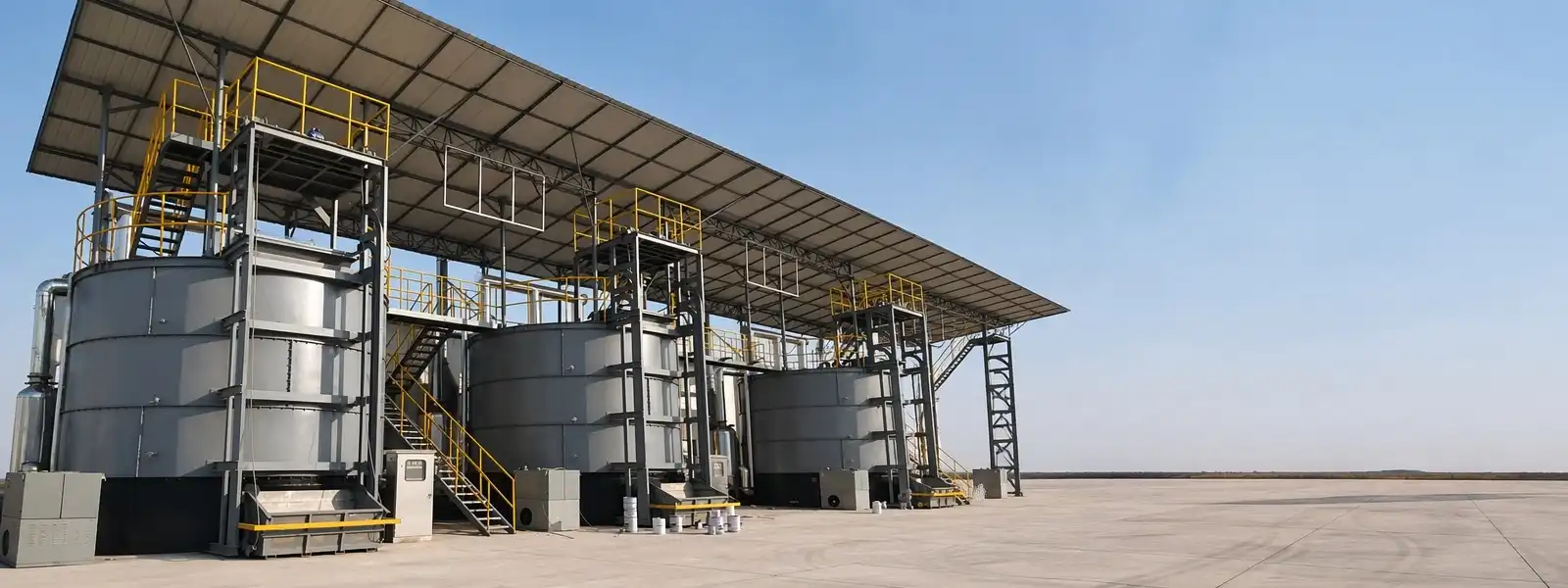
No longer are months of open-field composting or large areas of land needed to turn organic waste into commercial-grade fertilizer. Within a 52 m² area, an organic fertilizer fermentation tank that is properly run can turn raw manure, sludge, or food waste into stable, pathogen-free organic soil in 7–15 days. The key to getting regular results is to make sure that the tank's capacity matches the amount of trash that is generated each day, that the right moisture and C/N ratio is kept at the input, and that the cycle is guided from beginning to end by automated temperature tracking. With the right tools and strict work habits, waste can actually be turned into a product that makes money.
FAQ
1. How long does a complete fermentation cycle take?
The full cycle takes 7–15 days in an oxygen tank that is properly filled with material that is 50–65% wet and has a C/N ratio of 25–35:1. The thermophilic phase, which happens when temperatures are above 55°C, usually lasts from day 3 to day 10.
2. What types of organic waste can the tank process?
Animal waste (from cows, chickens, and pigs), food industry waste, sewage sludge, crop straw, and city organic fractions can all be used together.
3. How does the system control odor?
The YXFJG-70 sends all of its waste through a 2.2 kW deodorization fan and into a 1.0×5 m deodorization tower. It then lets the air out through a 15 m chimney. Before the air leaves the system, this cleaning process gets rid of the ammonia and hydrogen sulfide.
4. Can the tank operate in cold climates?
Yes. The 52 mm polyurethane insulation keeps the temperature inside the fermentation chamber stable, even when it's cold outside. In temperatures below zero, the heat that microbes make during peak thermophilic activity is usually enough to keep the process going without any extra heating.
Get Your Custom Quote from YUXING — Trusted Organic Fertilizer Fermentation Tank Manufacturer
YUXING has been making fertilizer tools for more than 20 years and brings that knowledge to every job. The YXFJG-70 vertical oxygen organic fertilizer fermentation tank is CE and ISO certified, ships in standard 40GP or Open Top containers, and comes with free expert support for life, 24 hours a day, 7 days a week. Our engineering team can give you either a ready-made unit or a configuration that is tailored to the voltage standards in your area. For details, prices, and help with installation, please email us at yuxing@hnyxmachinery.com right away.
References
1. Tiquia, S. M., & Tam, N. F. Y. (2000). Fate of nitrogen during composting of chicken litter. Environmental Pollution, 110(3), 535–541.
2. Bernal, M. P., Alburquerque, J. A., & Moral, R. (2009). Composting of animal manures and chemical criteria for compost maturity assessment. Bioresource Technology, 100(22), 5444–5453.
3. Huang, G. F., Wu, Q. T., Wong, J. W. C., & Nagar, B. B. (2006). Transformation of organic matter during co-composting of pig manure with sawdust. Bioresource Technology, 97(15), 1834–1842.
4. Rynk, R. (Ed.). (1992). On-Farm Composting Handbook. Northeast Regional Agricultural Engineering Service, NRAES-54.
5. United States Environmental Protection Agency. (1994). A Plain English Guide to the EPA Part 503 Biosolids Rule. EPA/832/R-93/003.
6. Sommer, S. G., & Dahl, P. (1999). Nutrient and carbon balance during the composting of deep litter. Journal of Agricultural Engineering Research, 74(2), 145–153.

USER EVALUATE
Get your tailored fertilizer plant solution — contact us today.