



_1782098484336.webp)
Crawler compost turner | Reliable Performance & Easy Operation
If you manage a livestock farm, organic fertilizer plant, or commercial composting facility, you already know how quickly organic waste piles up. A crawler compost turner is a track-driven aerobic fermentation machine built to process high volumes of manure and organic waste at industrial scale. Unlike wheel-based turners that struggle on soft or wet ground, the crawler design gives you stable traction across uneven terrain. The result is faster decomposition, more uniform aeration, and a significantly shorter fermentation cycle—from several months down to just 7–15 days under proper conditions.
Understanding Crawler Compost Turners: What Makes Them Essential for Modern CompostingThe Core Mechanics Behind Tracked Turning Equipment
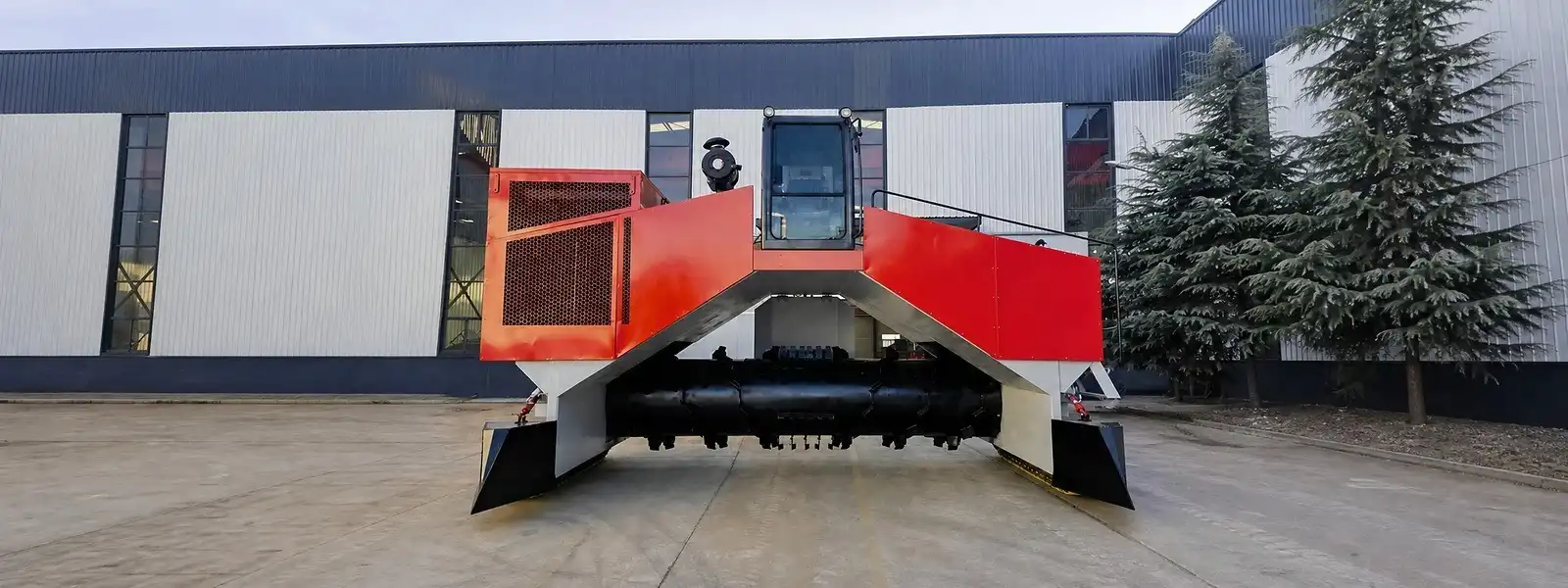
A mobile compost turner works by sitting on top of a windrow and moving an alloy-bladed, high-speed drum through the organic matter. This movement breaks up big clumps, adds air, and moves water around in the pile. The crawler frame spreads the machine's weight over a large contact area. This keeps the soil from compacting and lets it work on uneven or muddy composting pads, where wheeled machines would get stuck.
Why Aeration Speed Matters in Aerobic Fermentation
Aerobic bacteria need steady oxygen to make thermophilic heat, which is what kills pathogens and plant seeds. If the middle of a big windrow isn't turned regularly by a machine, it becomes anaerobic, which greatly slows down decay and makes smells. Bioresource Technology (2019) published research that confirms that the frequency of turning the windrow is directly related to the length of the thermophilic phase and the final maturity of the compost. The whole pile stays biologically active by being turned by machines.
Crawler Tracks vs. Wheeled Designs: A Practical Comparison
Wheeled compost turners work well on flat, hard surfaces, but they lose their grip when the windrow has more than 60% moisture, which is common for fresh animal manure. Crawler tracks spread the weight of the machine out more widely, so they usually create less ground pressure than wheeled units of the same size. This means that the machine can keep going through the heaviest, wettest material without getting stuck or making ruts. This helps you stick to your composting plan.
Key Types and Configurations of Compost Turners Explained
Self-Propelled Crawler Models vs. Tow-Behind Units
Self-propelled crawler types let users decide which way to go from a seat on board or while walking. This makes them good for medium- to large composting yards with different windrow layouts. Attaching a tow-behind unit to a tractor saves money at first, but they need the tractor's wheels to move, which isn't good on soft ground. For businesses that handle hundreds of cubic meters of material every day, a self-propelled machine like the YXFD-2600 gives them more freedom and more consistent throughput.
Diesel vs. Electric Power Options
Diesel-powered crawler compost turners are still the best choice for outdoor composting areas that don't have set electrical infrastructure. This includes most farms in Kenya, Vietnam, Indonesia, and Brazil that raise animals. Electric models work better in enclosed, grid-connected spaces and use less fuel per hour. The 85kW (116HP) 4108 National II Turbocharged Diesel Engine in the YXFD-2600 gives it the torque it needs to cut through dense, high-moisture windrows without stopping when it's loaded.
Key Performance Metrics to Evaluate
Before you buy a windrow turner, make sure that the amount of trash it can handle matches how much you normally throw away. With a cross-sectional area of 2.5 inches, the YXFD-2600 can handle piles that are up to 2600 mm wide and 1300 mm high. This machine can theoretically process 800–1000 m³/h, work at up to 15 m/min, and travel at up to 20 m/min. The 860mm diameter drum has alloy blades and a 6-forward/2-reverse gear design that lets users precisely control how far the drum turns and how fast it moves forward.
Comparing Crawler Compost Turners: Making the Smart Choice for Your Business
Mechanical Turning vs. Manual Labor
On a large scale, managing a garbage pile by hand is neither safe nor cost-effective. A machine can do more work or be more consistent than a single person working a physical turning plan. The Food and Agriculture Organization (FAO, 2021) says that when compared to manual methods, automated composting companies report labor costs that are up to 70% lower. The YXFD-2600 can handle the same amount of work in an hour that a group of people might need a whole day to do.
Diesel Crawler Turners vs. Static Aeration Systems
Some facilities use static pile aeration, which involves blowing air through pipes with holes in them that are placed under windrows. This method works, but it doesn't mix the material in a way that spreads out the water and breaks up areas that are too compressed. Every time it goes through, a tracked compost turner physically rearranges the pile, which is something that static systems can't do. This makes the quality of the compost more consistent across the whole batch, cuts down on rejected loads, and speeds up the time it takes to make the finished product.
ROI Considerations for Mid-Scale Operations
The YXFD-2600 can be bought for between $3,000 and $35,000. This price range is good for medium-sized buyers. The machine can process up to 1000 m³/h of material and can cut fermentation time by up to 30%, based on the material and process conditions. This means that more batches of compost can be made each month. When batches are turned over more quickly, more finished compost is made, and the investment in equipment is paid for faster.
Procurement Guide: How to Buy the Best Crawler Compost Turner for Your Company
Matching Machine Specifications to Your Operation
First, figure out how many cubic meters of organic waste you produce every day. Compare that number to the hourly capacity and the times each day when you can turn things with a tracked compost turner. The YXFD-2600 can handle particles up to 250 mm in size, which includes most raw animal manure and farm waste that has not been pre-shredded. It has a clear door that is 2.6 m wide and 1.3 m high, which are normal sizes for covered waste sheds used in many businesses.
Certifications, After-Sales Support, and Spare Parts
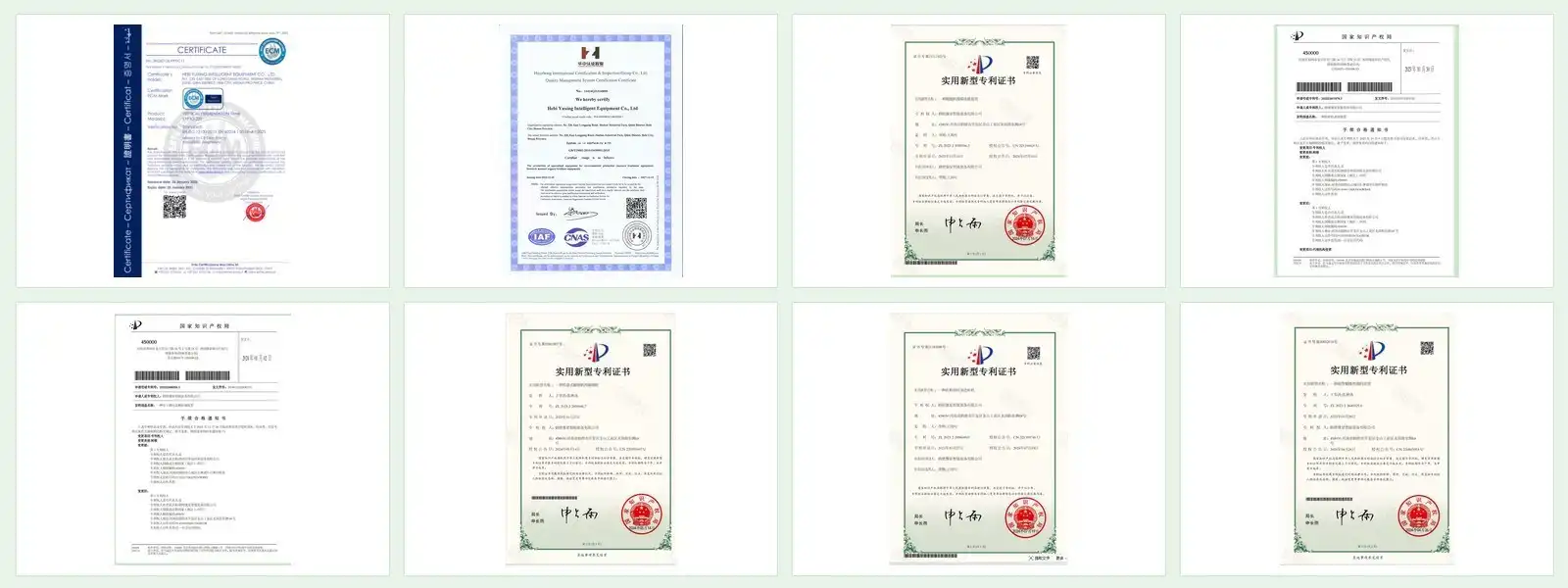
No matter what, you have to buy CE and ISO certified tools if you want to meet international or local regulations. YUXING's YXFD-2600 is certified by both CE and ISO, and it comes with a lifetime 7x24 after-sales service that includes help with installation, help with operation, and advice on extra parts. YUXING has been making fertilizer equipment for more than 20 years and has customers in more than 50 countries. They have a stable international supply chain for spare parts that lowers the risk of downtime.
New Equipment vs. Used or Rental Options
At first glance, used compost turners may seem like a good deal, but they come with maintenance risks like worn-out turning teeth, broken track assemblies, and no record of their hydraulic history. If you keep your machine in good shape, the high-quality manganese steel teeth should last between 800 and 1,200 hours of use. When you buy a new crawler compost turner from a well-known company like YUXING, the equipment has already been tried in the workshop, the warranty is clear, and you can use the full service network right away.
Maximizing Your Investment: Tips for Effective Use and Maintenance
Recommended Turning Frequency and Process Monitoring
During the active thermophilic phase, turning the pile every one to three days keeps the temperature between 55°C and 70°C, which is the right range for killing pathogens. Once the temperature stays below 45°C, the drying process should only happen once every 5–7 days. Before each turning session, check the temperature and wetness level inside the pile at several different locations. This way, you can change the YXFD-2600's lengthwise turning distance (1000–2000mm) to fit the conditions of the pile.
Daily and Seasonal Maintenance Routines
Here are the main repair jobs that will help your machine last as long as possible:
- Daily: Check engine oil level, inspect track tension and alignment, lubricate turning shaft bearings, and clear debris from the drum housing to prevent material buildup that accelerates blade wear.
- Weekly: Inspect hydraulic hose connections for seepage, verify gear oil levels, and check all fasteners on the blade assembly for torque integrity.
- Seasonally: Conduct a full hydraulic system pressure check at 1.5× operating capacity, perform rotor dynamic balance inspection, and replace any teeth showing Rockwell hardness degradation below manufacturer specification.
By consistently doing these things, you can protect your machine from the corrosive, high-moisture environment that animal manure creates. If you keep the YXFD-2600 in good shape, it will work for your business for years of ongoing production.
Conclusion
A tracked crawler compost turner is one of the best investments a medium- to large-sized recycling business can make. The YXFD-2600 from YUXING has a strong crawler frame, an 85kW turbocharged diesel engine, and a processing capacity of 800–1000 m³/h. It is a machine that can handle large amounts of animal waste every day. With regular upkeep and turning plans, this equipment can cut down on the time it takes to ferment by a lot, make you less reliant on labor, and give you consistent compost that is ready to sell. If your business is ready to move on from slow and unreliable composting methods, this machine has the power and durability to do it.
FAQ
1. How does a crawler compost turner improve compost quality compared to manual turning?
Every time the machine turns, oxygen is spread evenly across the whole windrow cross-section. Even when turning by hand is done a lot, it doesn't always get the same depth of material inversion. A tracked turner's spinning drum literally breaks up anaerobic pockets, redistributes wetness, and gives microbes a new surface area to work on. As a result, the thermophilic temps stay the same across the pile, and the matter breaks down more evenly.
2. Can a crawler compost turner handle high-moisture livestock manure?
Yes. A machine like the YXFD-2600 is designed to break up big, wet clumps with a lot of power. When the moisture level goes above 65%, adding stiffening agents like straw or sawdust helps keep the air holes that aerobic microbes need to work. The crawler frame keeps the machine from falling into wet ground while it's working.
3. What maintenance practices are most critical for long-term reliability?
The two most important maintenance tasks are to grease the bearings on the turning drum every day and check the hydraulics every week. Track tension checks keep trains from derailing during high-torque moves. By checking the hardness of the turning teeth on a regular basis, you can plan to replace them before they break and damage the drum assembly, which is a much more expensive fix.
Get a Quote from YUXING — Trusted Crawler Compost Turner Supplier
YUXING has been making tools for fertilizer for more than 20 years and has customers in more than 50 countries. The YXFD-2600 crawler compost turner can handle up to 1000 m³/h, is CE and ISO certified, and comes with free expert help for life, 7 days a week. Get in touch with our team right away to talk about how much composting space you need, get full specs, or get a competitive price. You can email us at yuxing@hnyxmachinery.com.
References
1. Haug, R. T. The Practical Handbook of Compost Engineering. Lewis Publishers, 1993.
2. Rynk, R. (Ed.). On-Farm Composting Handbook. Natural Resource, Agriculture, and Engineering Service, 1992.
3. Bernal, M. P., et al. "Composting of animal manures and chemical criteria for compost maturity assessment." Bioresource Technology, 2009.
4. Food and Agriculture Organization of the United Nations. Food Wastage Footprint & Climate Change. FAO, 2021.
5. Tiquia, S. M., & Tam, N. F. Y. "Fate of nitrogen during composting of chicken litter." Environmental Pollution, 2000.
6. Larney, F. J., & Hao, X. "A review of composting as a management alternative for beef cattle feedlot manure in southern Alberta, Canada." Bioresource Technology, 2007.

USER EVALUATE
Get your tailored fertilizer plant solution — contact us today.