



_1782098484336.webp)
An organic fertilizer crusher is a booster to improve the efficiency of the fertilizer production line
If you run an organic fertilizer plant or manage agricultural waste processing, you already know how much a single bottleneck can slow your entire line. A reliable fertilizer crushing machine sits at the heart of that solution. By breaking down caked compost, fibrous crop residues, and lumpy fermented matter into uniform particles, a quality organic fertilizer crusher directly improves every stage that follows — screening, mixing, and granulation. This guide walks you through what to look for, which machine types fit which operations, and how to protect your investment long-term.
Understanding the Role of an Organic Fertilizer Crusher in Production Efficiency
Crushing is more than just reducing size. It's the preparation step that determines whether the equipment further down the line works well or has problems with blockages and uneven output.
What Crushing Actually Does in a Fertilizer Line
Organic matter that has been fermented, straw bales, and plant waste all come in a variety of shapes and sizes. Without the right size reduction, these materials cause uneven feed rates into granulators, which makes pellets that don't meet specifications and batches that are wasted. A special shredder for organic materials breaks down big inputs into small enough pieces for consistent processing.
How Uniform Particle Size Affects Downstream Quality
A study in Bioresource Technology (2020) says that the uniformity of particle size in compost material is directly related to the rate of granulation. When the particle size is between 3 and 5 cm after kneading, there is more surface area for binding agents. This makes the granules denser and more marketable with fewer fines.
The Step-by-Step Crushing Workflow
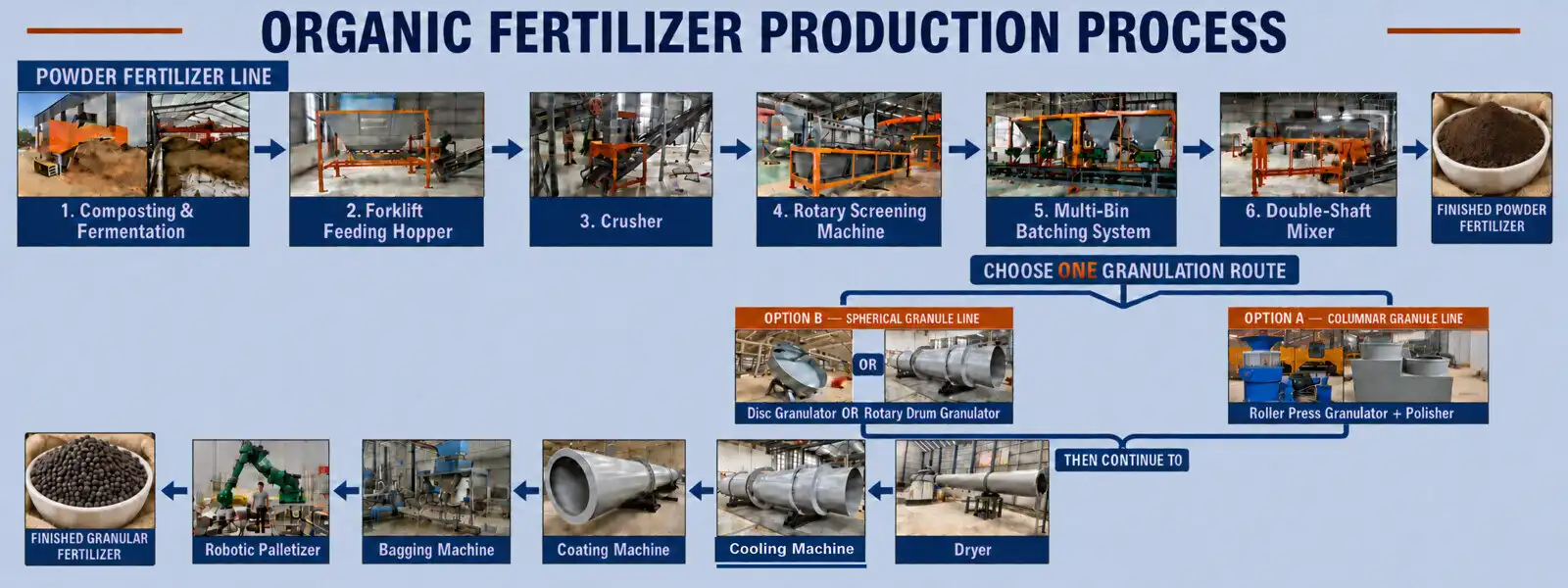
The normal process goes from feeding raw materials to pre-screening to primary crushing to secondary size grading to output conveying to granulation feed. Each step builds on the one before it. Material bridging and clumping are the most common reasons why lines get clogged. A well-matched compost grinder at the crushing stage gets rid of this problem.
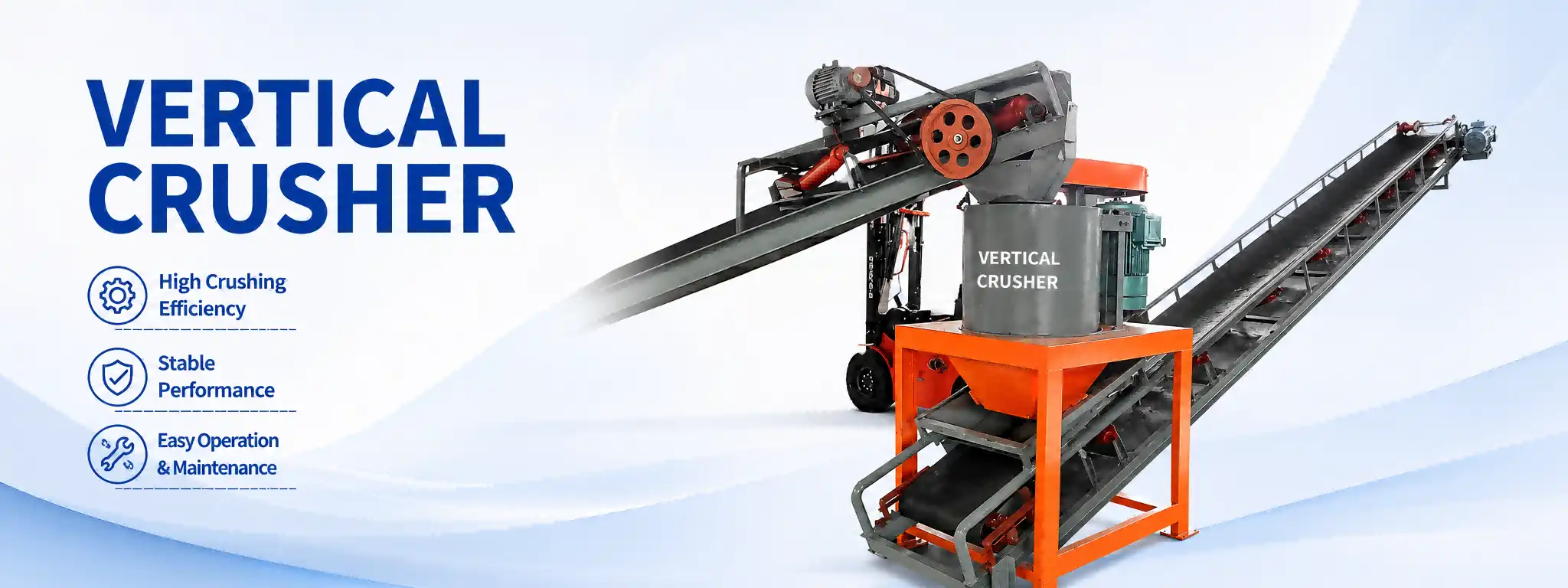
Types of Organic Fertilizer Crushers and Their Working Principles
Not every fertilizer crushing machine can handle all kinds of materials. Knowing the differences in how they work helps you make a buy that you won't regret in six months.
Hammer Crushers
Hammer crushers have hammer heads that spin very quickly and hit and break up material against an inner liner. They can handle materials that are dry to semi-wet well and get a lot done. The YUXING YXYPFS-80 Bottom Discharge Disk Straw Crusher has 27 hammer pieces and a 37 kW engine. It can produce 2–4 t/h and a grinding length of 3–5 cm, which is a good output for a medium-sized fertilizer business.
Rotary Drum Crushers
In rotary crushers, material is smashed inside a spinning cylinder that has lifting blades inside it. They work best on loosely packed compost that needs to be broken up gently instead of hard. They tend to use less energy per ton, but they aren't as good at breaking up hard-caked material or woody straw.
Double Roller Crushers
Two rollers that spin counterclockwise press material together, making a narrow range of particle sizes that can be predicted. They work well with urea blocks and dry NPK mixes. Roller surfaces tend to get dirty quickly with high-moisture organic garbage that has more than 35% moisture content. This means that they need to be cleaned more often, which cuts down on their useful uptime.
Choosing the Right Organic Fertilizer Crusher for Your Production Needs
It costs more to choose the wrong machine than to buy the right one. Lost production hours can be caused by motors that are too small, designs that don't work with your feedstock, or capacity that isn't matched.
Match Capacity to Your Line Throughput
A 2–4 t/h crusher is good for a production line that wants to make 20–30 tons per shift. The YXYPFS-80 has a star-delta starting cabinet, which lowers the motor startup current stress and increases motor life. This is a useful feature that is important when energy costs are high, like they are in Nigeria, Indonesia, and Brazil.
Consider Feedstock Moisture and Fibrous Content
Materials that have been fermented with more than 40% moisture need an open-discharge design without a bottom screen to keep them from getting clogged. The YXYPFS-80 has a bottom discharge design with a 700 mm wide discharge port and a discharge height of 500 mm from ground level. This allows material to run naturally and without getting clogged. The disk design with 27 hammer pieces can handle straw-heavy inputs that would jam a roller-type machine.
Evaluate Power Source and Automation Options
Because it costs less per ton to run than gasoline, electric drive is still the norm for fixed-site fertilizer plants. A diesel-generator pair can be used for work in places where grid power isn't stable. YUXING lets you change the voltage, integrate PLC automation, and choose from different electrical component brands, such as Siemens and Schneider, to meet the needs of your local infrastructure.
Maintenance Tips and Troubleshooting Common Problems
If you need to fix a fertilizer grinder machine, it's not an asset; it's a liability. Schedules for preventive maintenance cut down on unexpected downtime by a large amount and make wear parts last longer.
Routine Maintenance Practices
Every 200 hours of use, check the hammer heads. In rough organic settings, high-manganese hammer heads usually last between 600 and 1,000 hours, based on how hard the material is. Every week, check the tension of all 4 drive belts. A belt that is too loose wastes motor energy and makes the load unevenly distributed. To keep the F206/4 bearing model from getting too hot, lubricate it at the times suggested by the manufacturer.
Diagnosing and Fixing Common Problems
When a machine is working, too much shaking is generally a sign of uneven hammer wear or material buildup on the rotor. Dynamic balance is restored by rotating or replacing hammers in sets that match. If the size of the particles suddenly gets bigger, check the gap between the hammer tips and the liner. When this gap gets bigger from wear, material moves through without being hit enough.
Extending Machine Life Through Smart Operation
Feeding wet, squished material all at once is not a good idea. Feed rates that are recorded and stay the same keep the rotor speed fixed and keep the motor from overheating. The YXYPFS-80's star-delta starter protects the 37 kW motor when it's first turned on, but overloading it for long periods of time still wears out the windings too quickly. Compare the amp draw to the rated motor load on a regular basis.
Comparing Organic Fertilizer Crushers: Making the Best Investment
Crusher vs. Granulator: Which Comes First?
Granulation always comes after crushing. When a granulator gets pieces that are too big or not round, it makes granules that aren't very dense and don't distribute nutrients evenly. Buying the right crushing equipment first raises the quality of the granulator's output and lowers the number of rejects in the end product.
Electric vs. Diesel: Cost and Practicality
When power is stable, organic garbage crushers that are driven by electricity cost less per ton to run. With diesel units, you can work in the field or at a waste site that is far away, but the fuel costs an extra $3–6 per ton in many African and Southeast Asian markets. Electric drive with the right motor protection is still the most cost-effective way to go for permanent fertilizer plants.
Price vs. Capacity: Finding the Right Balance
If you run an organic fertilizer plant or manage agricultural waste processing, you already know how much a single bottleneck can slow your entire line. A reliable fertilizer crushing machine sits at the heart of that solution. By breaking down caked compost, fibrous crop residues, and lumpy fermented matter into uniform particles, a quality organic fertilizer crusher directly improves every stage that follows — screening, mixing, and granulation. This guide walks you through what to look for, which machine types fit which operations, and how to protect your investment long-term.
Conclusion
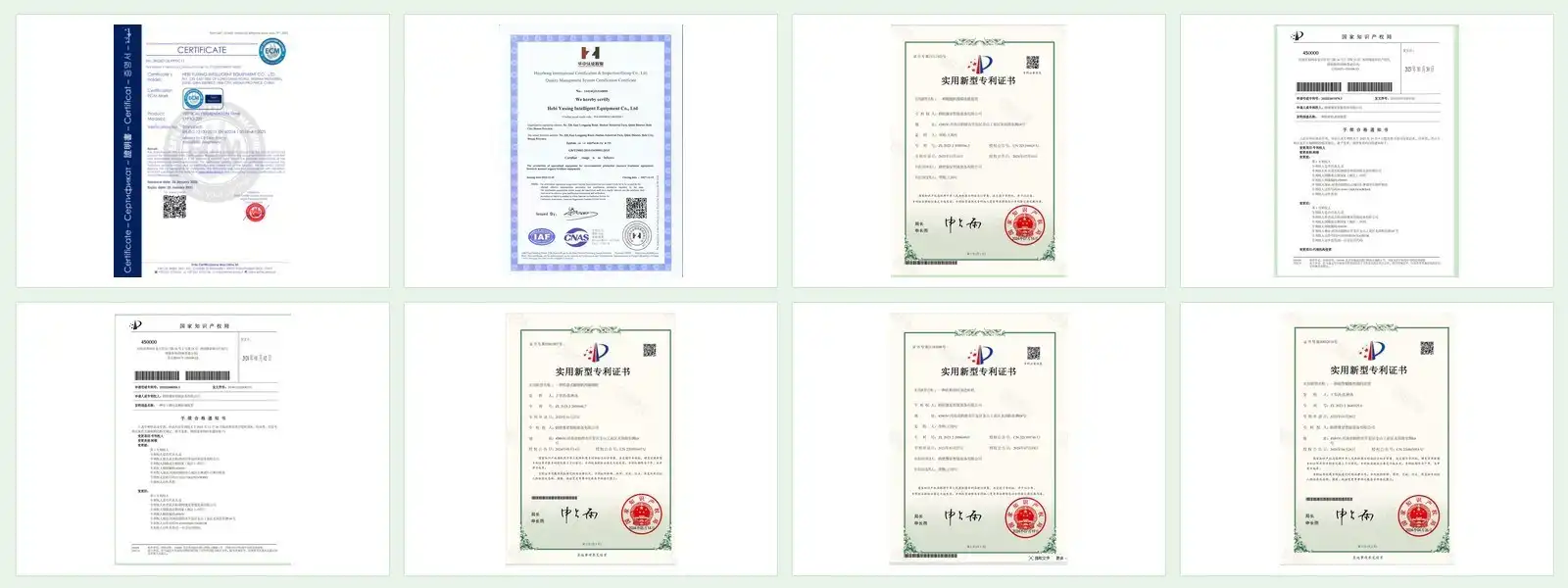
You can't skip the fertilizer crushing machine—it's necessary for the preparation stage and makes every process that follows it more reliable. When particles are all the same size, there are fewer granulation rejects, equipment doesn't get clogged, and less energy is used per ton. The YXYPFS-80 Bottom Discharge Disc Straw Crusher handles the unique demands of medium-scale operations: 37 kW matched power, 2–4 t/h output, 27 hammer pieces, and a bottom-discharge design built for high-moisture organic materials. Backed by CE/ISO certification and lifetime technical support, it represents a sound investment for fertilizer producers in Africa, Southeast Asia, Central Asia, and South America.
FAQ – Your Top Questions About Organic Fertilizer Crushers Answered
1. How does a fertilizer crushing machine handle high-moisture materials?
Specialized designs use an open bottom-discharge configuration without a screen, preventing material from packing and blocking the outlet. The hammer-impact mechanism keeps material moving rather than compressing it against a static surface.
2. How long do wear parts typically last?
High-manganese hammer heads generally last 600–1,000 operating hours depending on material abrasiveness. Tracking hammer wear and replacing sets before failure prevents rotor imbalance.
3. Can output particle size be adjusted?
Yes. Fineness is controlled by adjusting rotor speed or changing the internal gap between hammer tips and the liner. The YXYPFS-80 produces a kneading length of 3–5 cm as standard.
4. What causes excessive machine vibration?
Uneven hammer wear or rotor material buildup causes vibration. Regular dynamic balance checks and replacing hammers in matched pairs resolve this.
Get Your Fertilizer Production Line Running at Full Capacity — Contact YUXING
It has been making fertilizer equipment for more than 20 years and has customers in more than 50 countries. The YXYPFS-80 fertilizer crushing machine for sale is good for medium-sized businesses that need to process 2–4 t/h of compost, straw, or organic waste. We can change the voltage to fit your needs, get it certified by CE, and send it out quickly because we keep standard equipment in stock. To get a quote that fits your production line, email us at yuxing@hnyxmachinery.com.
References
1. Bernal, M. P., Alburquerque, J. A., & Moral, R. (2009). Composting of animal manures and chemical criteria for compost maturity assessment. Bioresource Technology, 100(22), 5444–5453.
2. Huang, G. F., Wu, Q. T., Wong, J. W. C., & Nagar, B. B. (2006). Transformation of organic matter during co-composting of pig manure with sawdust. Bioresource Technology, 97(15), 1834–1842.
3. Rynk, R. (Ed.). (1992). On-Farm Composting Handbook. Northeast Regional Agricultural Engineering Service.
4. Tiquia, S. M., Richard, T. L., & Honeyman, M. S. (2002). Carbon, nutrient, and mass loss during composting. Nutrient Cycling in Agroecosystems, 62(1), 15–24.
5. FAO. (2021). Organic Fertilizer Production and Use in Sub-Saharan Africa: Constraints and Opportunities. Food and Agriculture Organization of the United Nations.
6. Zhang, L., Sun, X., Tian, Y., & Gong, X. (2014). Biochar and humic acid amendments improve the quality of composted green waste as a growth medium. Scientia Horticulturae, 176, 70–78.

USER EVALUATE
Get your tailored fertilizer plant solution — contact us today.