




Compost Crusher Machine | Features & Application
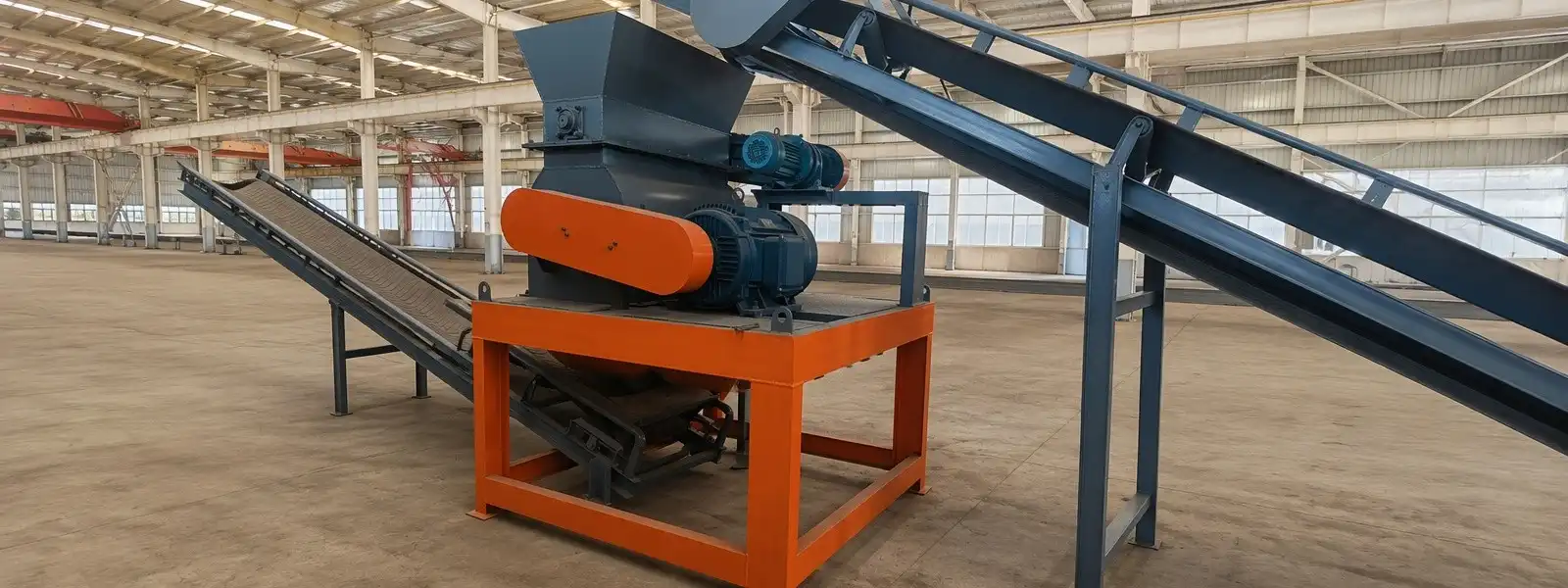
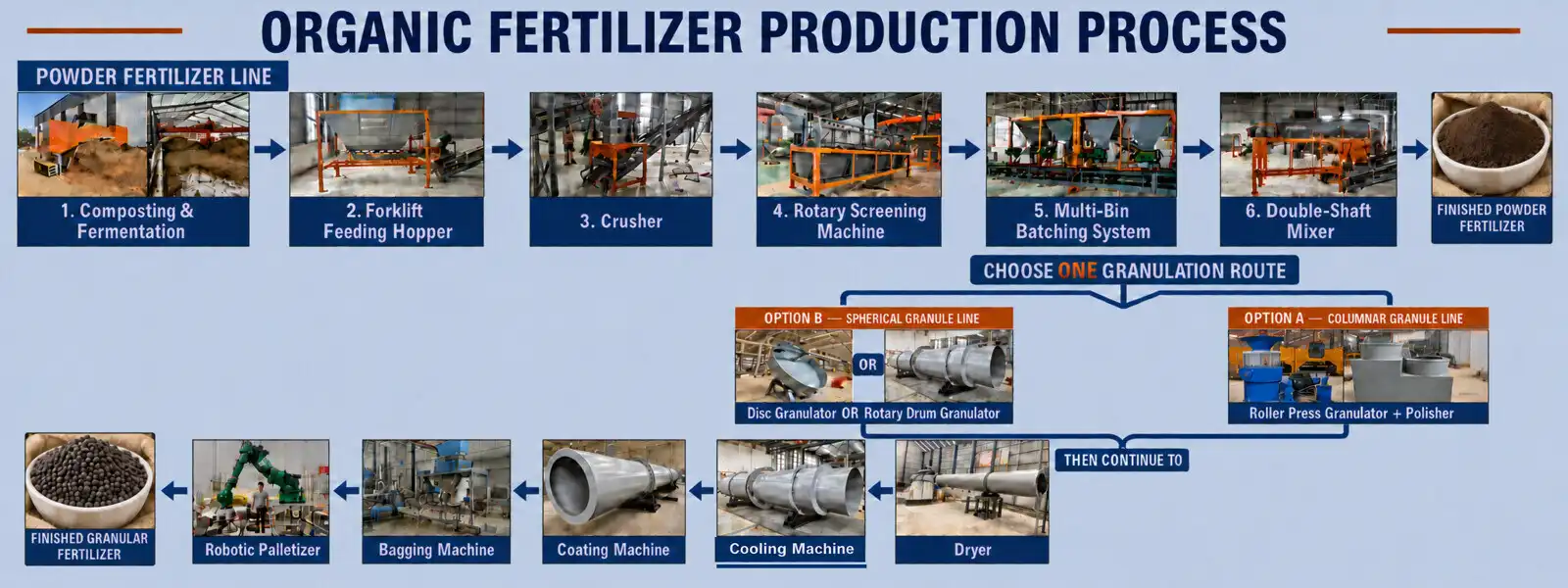
A compost crusher machine is heavy-duty size-reduction equipment built to pulverize organic materials — livestock manure, crop residues, fermented leftovers, and caked fertilizer — into fine, uniform particles. In organic fertilizer production, it bridges the gap between raw decomposition and high-quality granulation. Without proper crushing, lumpy feedstock causes clogging, uneven granulation, and wasted energy. According to the FAO, organic waste mismanagement accounts for roughly 8–10% of global greenhouse gas emissions, making efficient compost processing a genuine environmental priority, not just a production concern.
Understanding Compost Crusher Machines: Features & BenefitsWhat Does a Compost Crusher Machine Do?
At its core, equipment for crushing organic waste breaks down big, caked, or fibrous materials into consistent particles that are usually 2 mm to 10 mm in size. These particles are then ready for screening, mixing, and granulating further down the line. When fertilizer plants process fermented manure or straw residues, the quality of the pellets and the amount of fertilizer they can make depend on how evenly the particles are released. When feedstock isn't constant, it leads to poor pellet binding, lost granulation energy, and batch rejects. To make good soil, you must first get the crush right.
Key Technical Features to Look For
Not every machine that crushes fertilizer is made the same. Some technical specs are more important than others when looking at a unit for making medium-sized amounts of fertilizer.
Here are the main things that set machines that work well apart from ones that don't:
- Blade material and hardness: Quenched steel blades rated at HRC 58–62 resist the abrasion of high-moisture organic acids. Softer blades wear within weeks under continuous manure processing.
- Anti-clogging design: Equipment processing materials with 30–50% moisture content requires an open chamber or semi-wet design that prevents paste buildup and rotor stall.
- Dual feed inlet: A double-inlet design allows uninterrupted feeding while the operator accesses maintenance points, reducing line stoppages.
- Observation window: A built-in inspection window lets operators monitor crush quality in real time without halting the machine.
These features directly address the most common problems that happen in organic fertilizer processes, such as blade wear, moisture buildup, and unexpected downtime. Buying equipment that fixes these issues at the start will save you a lot of money on repairs in the future.
CE and ISO Certification: Why It Matters
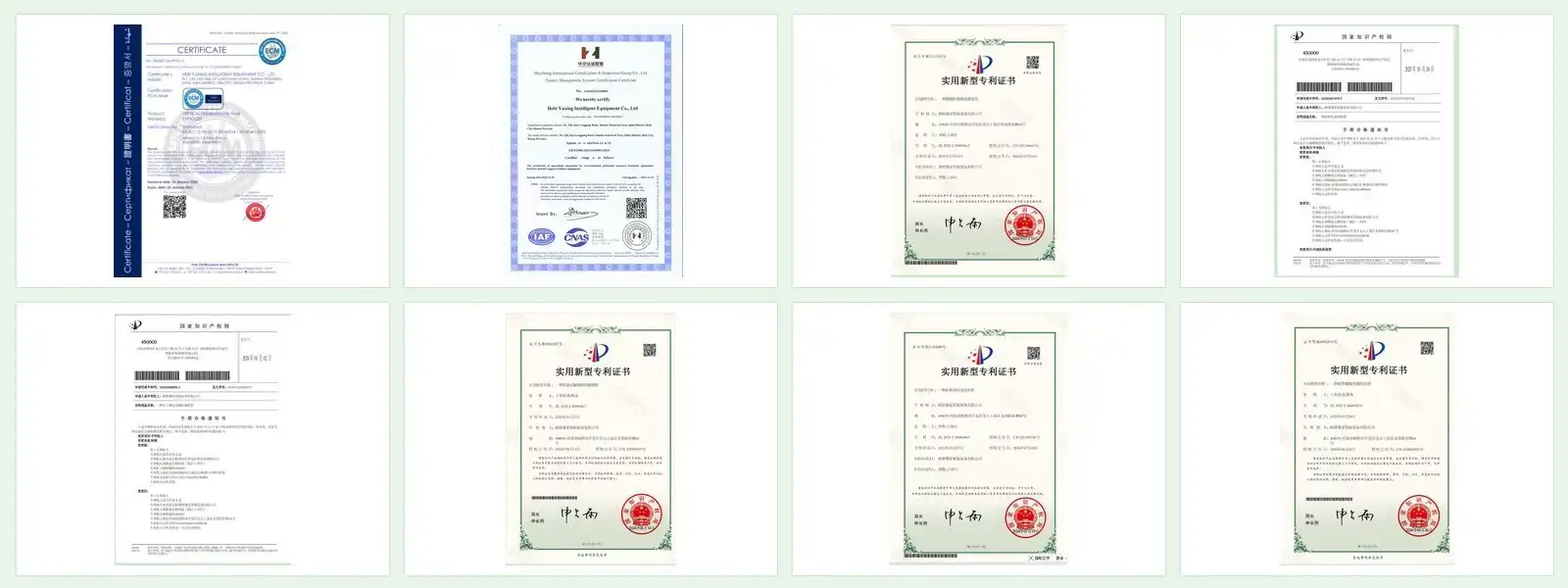
If you are a procurement worker looking for tools in Africa, Southeast Asia, or South America, you must be certified. The machine meets European safety and electromagnetic standards because it has a CE mark on it. With ISO 9001 certification, you can be sure that the manufacturing process always follows the rules for quality management. Both certificates lower the risk of importing, make it easier to clear customs, and guarantee that the product will work reliably under constant industrial loads for end users.
How Compost Crusher Machines Work: Operation & Maintenance Guide
Standard Operating Workflow
A simple set of steps is needed to operate a fertilizer crusher machine. The material goes into the machine through the feed inlet after being checked to get rid of any metal or stones. The high-speed rotor speeds up the blades so they repeatedly hit the food. Depending on the rotor speed, blade clearance, and material moisture, the particle size changes. Most units let you change the clearance without taking them all apart. This makes output flexible when you need to switch between types of dung, straw, and mixed compost.
Safety Precautions for Daily Operation
Protection of personnel is a must. Professional units should have shear-pin or hydraulic connection overload protection that stops the rotor from turning if metal or stone gets into the chamber by mistake. Feed inlet protective caps keep things from touching by mistake while the machine is running. Before every shift, operators must do a pre-start inspection that checks the motor thermal protection status, the feed hopper clearance, and the blade torque to make sure the machine stays within safe operating limits.
Maintenance Practices That Extend Machine Life
Preventive upkeep is what makes the difference between a machine that lasts five years and one that breaks down in eighteen months. This is an example of a useful schedule:
- Every 8 hours: Check blade fastening torque and clear any residue from the observation window.
- Every 500 hours: Inspect blade wear depth and rotor bearing temperature.
- Every 3,000–5,000 hours: Replace or hard-face blades depending on feedstock abrasiveness.
By keeping OEM new blades on hand, you can avoid having to wait for parts to be shipped for long periods of time. When your car breaks down in the middle of the nite, suppliers who offer 7x24 spare parts advice take away the guessing.
Comparing Compost Crushers: Choosing the Right Machine for Your Business
Crusher vs. Shredder vs. Grinder
All three of these types of machines are used at different stages of getting rid of organic waste. A shredder takes big materials like branches, baled straw, and big pieces of cardboard and turns them into small chips. A grinder turns big pieces of stuff into smaller ones. A compost crusher turns material that has been fermented, partially decomposed, or already broken down into the fine powder that granulators need. For lines that make manure, a special breaker should be added after fermentation. Using a shredder at this point will result in uneven particle output.
Electric vs. Diesel Power Options
Fixed fertilizer production lines mostly use electric units, which make sense since they have lower hourly costs, no exhaust fumes inside protected plant buildings, and are easier to connect to PLCs. Diesel units work well in places that aren't connected to the power grid or where processing needs to be done on the go. A 22 kW electric motor can handle 4–6 t/h, which is enough torque for a medium-sized plant. It also keeps electricity costs low and reliable per ton handled.
Portable vs. Stationary Models
Stationary units have a higher throughput, a more rigid structure, and are easier to connect to automated production lines. Portable units are useful for contract processing or seasonal farming because they can be moved around. For fertilizer plant owners who have a fixed building, mounting the screen stationary with a rigid frame lowers vibration transfer, increases bearing life, and allows for more precise screen sizing further downstream.
Procurement Insights: Buying and Sourcing Compost Crusher Machines
Setting Evaluation Criteria Before You Buy
Clear technical standards are the first step to good buying. Operators should write down the type of feedstock, the range of moisture levels they need, the number of tons per hour they need to process, the particle size they want the output to be, and the type of electricity they have access to before they contact any compost crusher machine suppliers. This document speeds up the evaluation process and keeps quotes from being mixed up. The price range is also important. Machines between $2,000 and $20,000 are considered mid-range and have good build quality and networks for getting extra parts.
What Drives Price Variation
The price changes depending on the type of material, the motor's specs, the number of blades, and the state of approval. A machine with 20 cooled steel blades, CE/ISO certification, and a 22 kW motor costs more than a simple hammer mill, but it costs less to own in the long run because the blades only need to be replaced every thousands of hours instead of hundreds. Along with the initial purchase price, warranty coverage, availability of spare parts, and speed of dealer assistance should all be taken into account.
Logistics and Delivery Considerations
Container transportation makes things more difficult for buyers from Nigeria, Vietnam, Uzbekistan, or Brazil. Professional makers offer professional loading plans for 40GP or Open-Top containers, modular disassembly choices for frames that are too big, and export wrapping that is perfect for long-distance ocean freight. Standard items that are already stocked can be delivered quickly. Customized equipment, on the other hand, usually ships 15–20 days after the order is confirmed.
Applications and Environmental Impact of Compost Crusher Machines
Organic Fertilizer Production Lines
Before they get to the granulation drum in big fertilizer plants, fermented manure and straw blends are turned into powder by an organic waste size-reduction machine. It is directly linked to pellet density, nutrient distribution, and the quality of a product that can be sold. When a dedicated crusher comes before the mixer, granulation rejection rates go down in plants that process 4–6 t/h.
Municipal and Agricultural Waste Processing
Municipal composting sites use industrial compost grinders to handle cooking waste, grass clippings, and yard waste, which are all very different in terms of how wet they are and what they are made of. Agricultural activities in Southeast Asia and Africa use tools to crush rice husk, sugarcane bagasse, and chicken litter before adding them to the soil directly or co-fermenting them. In both cases, smaller particles speed up the breakdown by microbes and shorten the time it takes for compost to mature.
Environmental Benefits of Efficient Crushing
Efficiently reducing the size of organic waste lowers the amount of waste that has to be sent to landfills, stops ammonia from escaping from manure piles that haven't been properly processed, and increases the soil's ability to store carbon by using better compost. Bioresource Technology research shows that smaller particle sizes before composting increase microbial surface contact, which speeds up breakdown and lowers the amount of greenhouse gases released per ton of processed material.
Conclusion
For people who run organic fertilizer plants that process 4–6 t/h, picking the right compost crusher machine affects the quality of every step that comes after. YUXING's YXFS-600-LS Vertical Crusher has 22 kW of power, 20 quenched steel blades, a dual feed inlet with a protected cover, and a viewing window. It is CE/ISO-certified and made to run continuously. YUXING has been making things for more than 20 years and has customers in more than 50 countries. They offer tools and full support for production lines. For a unique option, get in touch with the team.
FAQ
1. How does this machine handle high-moisture organic materials?
The YXFS-600-LS has a vertical crushing chamber with no bottom screen restriction. This lets materials with up to 50% moisture content pass through without paste building up or the rotor stopping. This design works especially well with fermented manure and wet compost.
2. How often do the blades need replacement?
The HRC of the 20 cooled steel blades is between 58 and 62. Depending on how rough the grain is, the machine should be inspected every 500 hours of use and replaced or hardened every 3,000 to 5,000 hours.
3. Can output particle size be adjusted?
Yes, you can change the particle size by changing how far apart the blades are from the inner plate. Most workers can get output between 2 mm and 10 mm without having to change the screens inside the machine.
4. What safety protections are included?
The feed inlet has a cover to keep things from being touched by accident. The motor has thermal protection so it can work 24 hours a day, seven days a week. If something strange gets into the chamber, an overload safety device stops the rotor.
Get a Direct Quote from YUXING — Trusted Compost Crusher Machine Manufacturer
Over 50+ countries have bought compost crusher machines from YUXING for more than 20 years. The YXFS-600-LS Vertical Crusher is CE/ISO certified, in stock so it can be sent out quickly, and comes with lifetime expert help 24 hours a day, 7 days a week. Send information about your feedstock and how much you need to produce to yuxing@hnyxmachinery.com to get a customized equipment setup and a factory-direct price.
References
1. Food and Agriculture Organization of the United Nations. Food Waste Footprint: Impacts on Natural Resources. FAO, 2013.
2. Haug, R. T. The Practical Handbook of Compost Engineering. CRC Press, 1993.
3. Rynk, R. (Ed.). On-Farm Composting Handbook. Northeast Regional Agricultural Engineering Service, 1992.
4. Bernal, M. P., Alburquerque, J. A., & Moral, R. "Composting of Animal Manures and Chemical Criteria for Compost Maturity Assessment." Bioresource Technology, 2009.
5. Tchobanoglous, G., Theisen, H., & Vigil, S. Integrated Solid Waste Management: Engineering Principles and Management Issues. McGraw-Hill, 1993.
6. Huang, G. F., Wong, J. W. C., Wu, Q. T., & Nagar, B. B. "Effect of C/N on Composting of Pig Manure with Sawdust." Waste Management, 2004.

USER EVALUATE
Get your tailored fertilizer plant solution — contact us today.