




Choosing the Best Compost Turning Equipment for Efficient Fertilizer Production
Choosing the right compost turning equipment can be the difference between a profitable fertilizer operation and one that struggles with slow decomposition, inconsistent product quality, and high labor costs. Modern trough-type compost turners reduce fermentation cycles from several months down to just 7–15 days by maintaining optimal oxygen levels and temperature throughout the pile. Whether you manage a livestock farm, an organic fertilizer plant, or a commercial composting facility, understanding how these machines work—and what separates a good investment from a poor one—will help you make a confident, well-informed decision.
Understanding Compost Turning Equipment and Its Role in Fertilizer ProductionHow Compost Turners Accelerate Decomposition
For aerobic fermentation to work, oxygen must always be available. A trough-type compost turner physically lifts, mixes, and re-piles organic matter with each pass. It also adds fresh air to the center of the pile, which is where microbes are most active. According to a study published in 2018 in Bioresource Technology, mechanically aerated windrows reach thermophilic temperatures (55–70°C) a lot faster than static piles. This cuts the time it takes to stabilize by up to 60%.
Manual vs. Automatic Models: What's the Difference?
Manual turning tools are cheap, but they require a lot of work and don't always give good results. On the other hand, automatic trough turners keep the turning depth and speed the same in every fermentation bay. They also have built-in temperature tracking and moisture spraying features that hand tools just can't match for medium to large production runs.
Environmental and Regulatory Benefits
When compost piles are managed properly, they release fewer greenhouse gases than when organic garbage is not handled. The U.S. Environmental Protection Agency says that the regularity of turning has a direct effect on the release of methane and ammonia. EPA Part 503 pathogen reduction standards must be met for land-applied biosolids in many U.S. jurisdictions. Equipment that makes sure every part of the pile reaches 55°C for at least three days in a row also meets these standards.
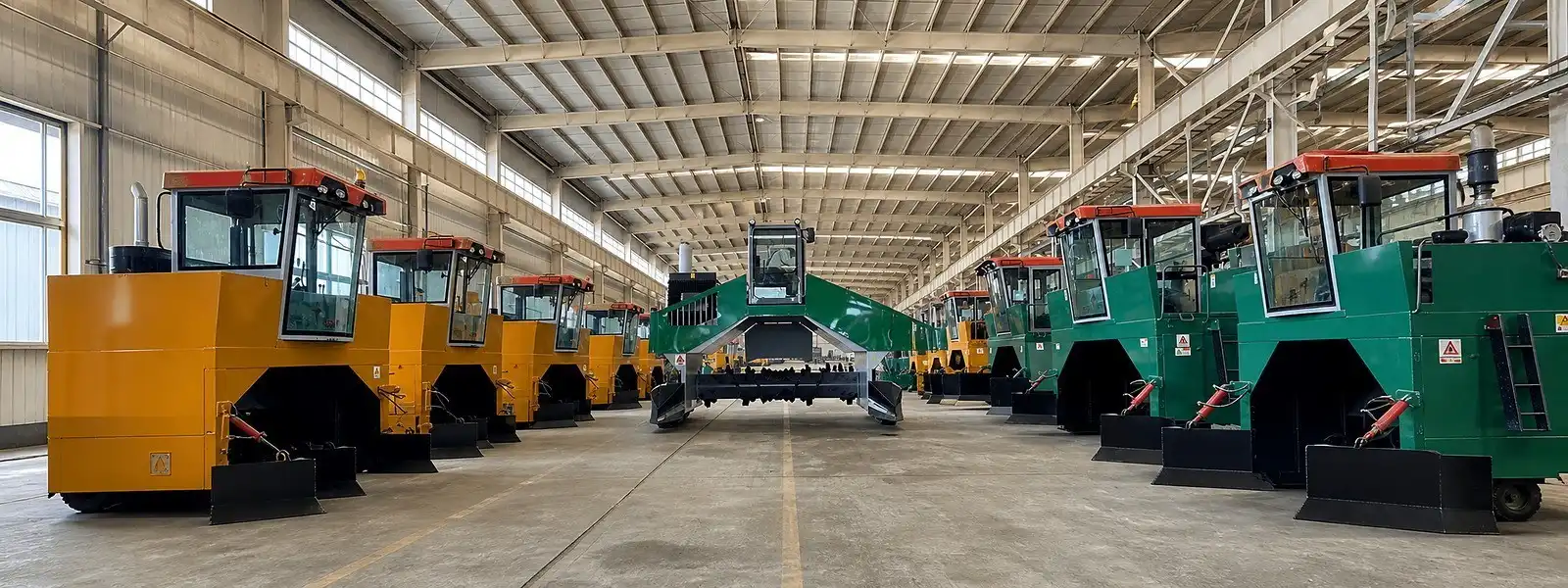
How to Choose the Best Compost Turning Equipment for Your Business
Assess Your Daily Processing Volume First
Find out how many cubic meters of organic trash your business makes every day before you start comparing names or models. To keep up with daily input, a medium-sized animal farm or organic fertilizer plant usually needs compost turner equipment that can handle at least 200 m³ per hour. If your blade is too small, it will slow down the process, and if it's too big, it will waste energy and money.
Electric vs. Diesel Power Source
Electric-driven turners work well in closed or partially closed fermentation facilities that already have power lines. Compared to diesel alternatives, they produce less pollution, make less noise, and cost less per hour to run. Electric trough turners are more cost-effective in the long run for businesses in places where grid power is stable, like farms that have been around for a while in Vietnam, Brazil, or Kazakhstan.
Mobility and Site Layout Compatibility
Some businesses only use one fermentation trough, while others use four or six at the same time. One unit can serve the whole building with a machine that can move between multiple troughs. This lowers capital costs without lowering throughput. Think about whether rail-guided travel is possible on your site and whether a transfer car system will fit in the room you have for floors and aisles.
Best Practices for Using and Maintaining Compost Turning Equipment
Optimal Turning Frequency and Moisture Management
Most organic materials do better when they are turned over every one to two days during the active phase and then every three to five days during the curing phase. Keep the pile's moisture level between 50 and 65%. If it goes above 70%, add bulking agents like straw or sawdust to keep it from clumping and open up air channels again. A wetness spray system built into the turner makes it easier to make these changes with each pass.
Blade and Drive System Inspection Schedule
The parts of a composting machine that wear out the fastest are the ones that turn. Every 500 hours of use, high-manganese steel teeth should be looked at clearly and changed before they wear down to a point where they can't do their job. Aside from the teeth, every month, check the drive chain tightness and sprocket wear. Trough turners have a strong double-row chain-and-sprocket transmission, but when chain links come loose, they speed up sprocket wear and lead to costly downtime.
Hydraulic System and Reducer Care
For the hydraulic lifting system to work properly in high-temperature fermentation conditions, it needs clean oil that doesn't change viscosity. Replace the hydraulic fluid as directed by the manufacturer, which is usually every 1,000 hours, and check the seals for early signs of weeping. It is recommended that the cycloidal pinwheel reducer be oiled every 500 hours. These simple steps greatly increase the life of the equipment and keep repair costs low when they come up.
Marketplace Overview: Top Compost Turning Equipment Brands and Solutions
Established International Brands
In North American windrow composting markets, Vermeer and Scarab are well-known brands. Their diesel-powered, self-propelled machines are good at cutting open-air windrows on a large scale for cities or farms. Attachments for tractors made by John Deere and Caterpillar are useful for farms that already have that kind of equipment. Many of these names, though, have higher prices that put them out of reach for most medium-sized businesses that have a budget of $3,000 to $35,000.
YUXING YXFP-3000: A Purpose-Built Trough Turner
YUXING has been making fertilizer tools for more than 20 years and was the first company in China to create a trough-type turner. The YXFP-3000 One-machine Whole-trough compost turning machine is designed to work with medium-sized businesses that have several fermentation bays. This machine has the following main technical specs:
- Turning Width: 3000mm; Turning Height: 0.8–1.2m
- Production Capacity: ≥200 m³/h
- Main Motor Power: 15kW, turning both ends of the turning shaft with the help of cycloidal pinwheel reducers
- Travel Speed: 1–10 m/min, 2.2kW speed-regulating motor
- Travel Wheels: 8 pieces × 290mm cast steel wheels
- Transmission: Double-row 20A chain and sprockets
- Control: Remote control and hand-held controls
- Extras: Hydraulic lifting system, multi-trough transfer car, and wire reel included
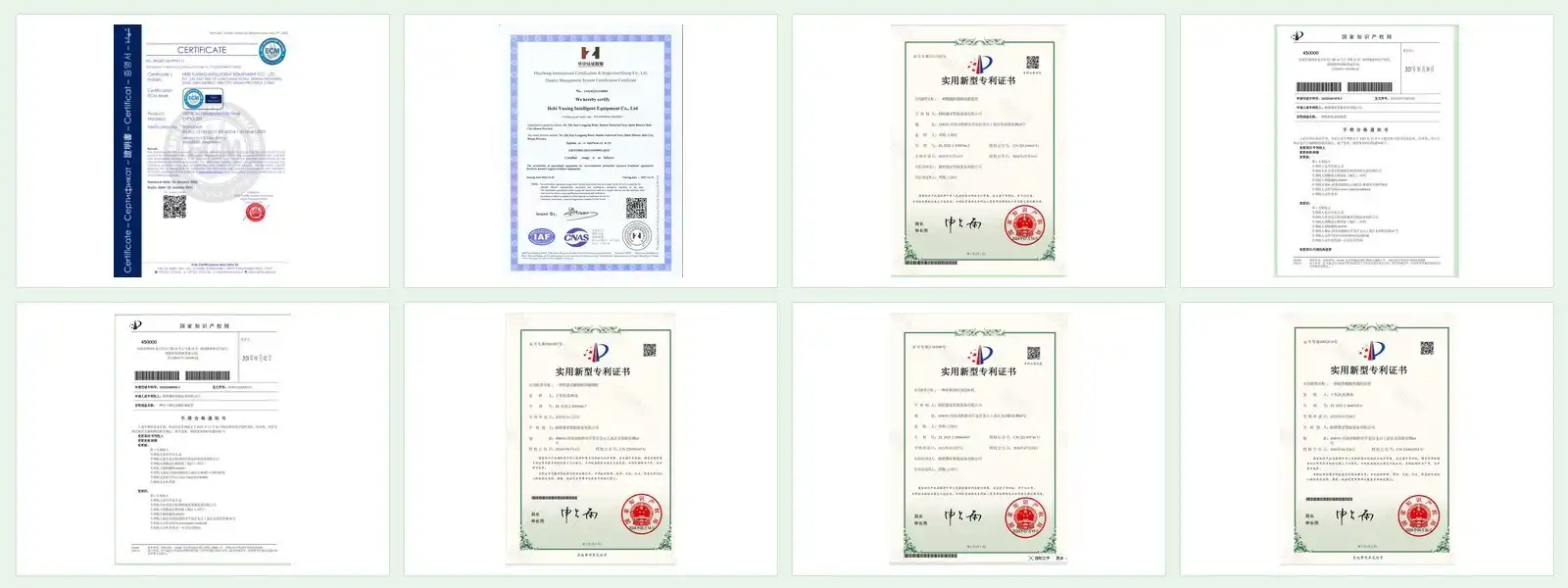
The main benefit of the machine is that it has more than one trough in one machine. Using the included transfer car, a single YXFP-3000 can serve more than one fermentation bay. This makes better use of the site and lowers the cost of buying new equipment over and over again. The unit is CE and ISO certified, and YUXING offers lifetime 7x24 after-sales support, which includes help with installation, training on how to use the unit, and advice on spare parts.
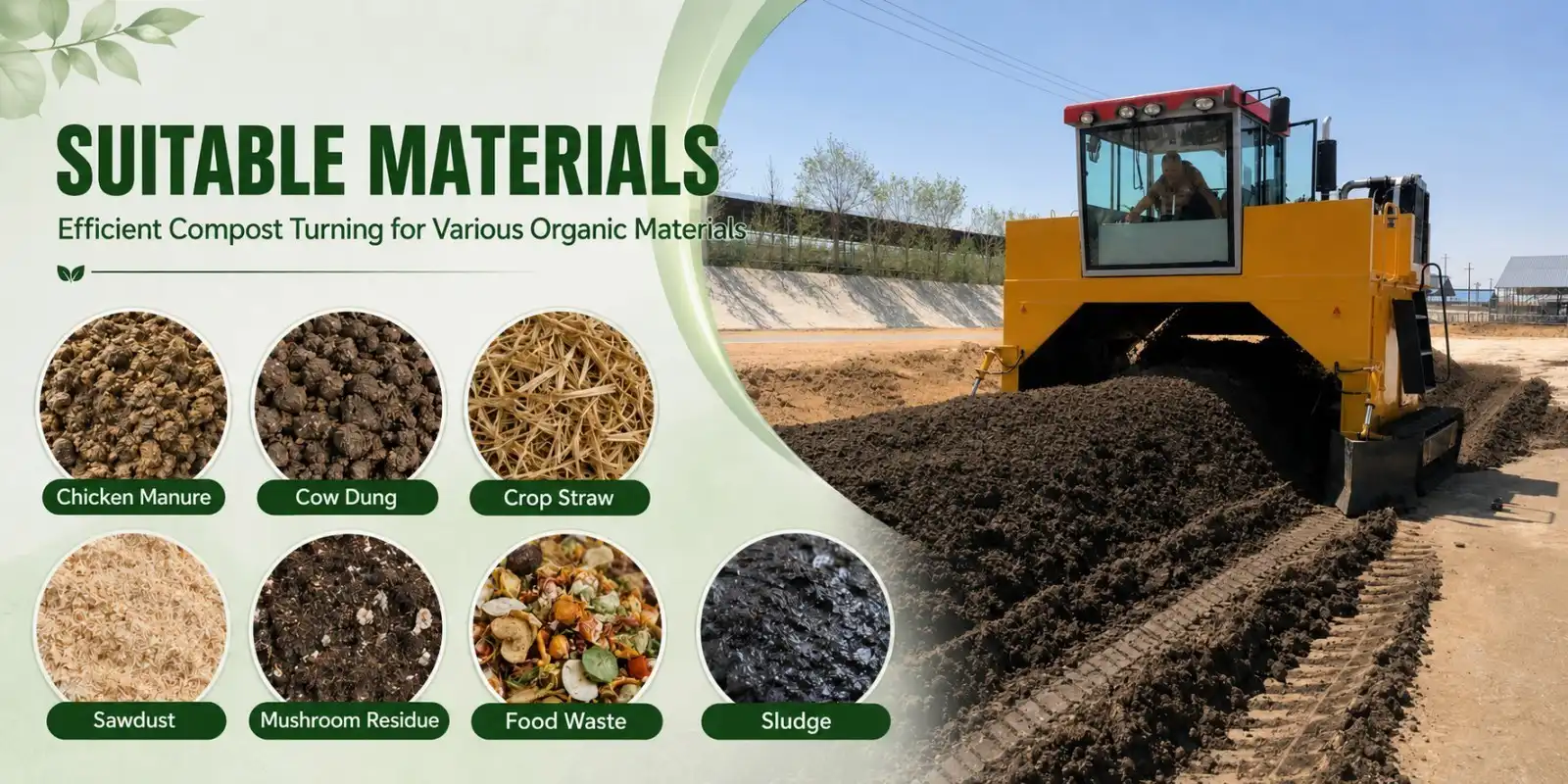
Procurement Options and Budget Fit
New trough turners from YUXING cost between $3,000 and $35,000. It depends on how they are set up. Standard types are kept in stock so they can be sent out quickly. It usually takes 15–20 days to make customized configurations that include voltage adaptation, Siemens or Schneider electrical parts, PLC control, and OEM branding. YUXING ships all over the world in 40GP and Open Top containers, and for every order, they give you a professional loading plan.
Case Studies: Successful Implementation of Compost Turning Equipment
Medium-Scale Livestock Farm in Southeast Asia
A pig farm in Vietnam that makes about 80 tons of manure every day added a trough-type turner to a three-bay fermentation system. When mechanical turning was used instead of passive windrows, fermentation time dropped from over 60 days to 12 days. As a commercial product, the finished compost met the standards for organic fertilizer inputs and brought in extra money from farms nearby.
Commercial Organic Fertilizer Plant in Central Asia
A facility in Uzbekistan that makes organic fertilizer and has six fermentation troughs bought a one-machine, multi-trough turner. By getting rid of six different machines, the plant saved over 60% on capital costs just for the turning equipment. Consistent aeration across all troughs led to uniform nutrient profiles in the final product, which made it easier to sell to agricultural buyers in the United States.
Conclusion
To choose the best compost turning equipment for your business, you need to make sure that the processing capacity matches the amount of waste that you produce every day, that the power source works with your system, and that the machine is built to last years of use in manure-filled environments. The YUXING YXFP-3000 meets these needs with a production rate of up to 200 m³/h, a design with multiple troughs for transfer, CE and ISO approval, and full support for life after the sale. It's a good investment for medium-sized composting operations that want to make their products more consistent and cut down on labor costs.
Frequently Asked Questions
1. How often should I turn compost for proper aerobic decomposition?
Turning the mixture every one to two days during the active fermentation phase keeps aerobic conditions and thermophilic temperatures stable. After the pile cools down and starts to cure, it only needs to be turned every three to five days. The exact plan changes based on the type of fuel, the temperature, and the amount of moisture in the air.
2. What is the difference between crawler-type and wheel-type compost turners?
Crawler-type tools work better on rough, open, or outdoor surfaces. Wheel-type turners, like the YXFP-3000 with its eight cast steel drive wheels, work best on concrete or smooth trough floors where they need to stay at a steady speed and track straight, rather than having good off-road grip.
3. Can a trough turner handle high-moisture manure above 70%?
Technically, it is possible, but when the wetness level goes above 70%, the material starts to stick together, and airflow is slowed down. Usually, dry bulking agents like straw, rice husks, or sawdust are mixed in before the mixture is turned to bring the moisture level back to the 55–65% target range.
4. How does turning equipment help meet EPA pathogen reduction standards?
Every part of the pile gets to at least 55°C (131°F) and stays at that temperature for the required amount of time thanks to constant mechanical turning. Pathogens like Salmonella and E. coli are killed by this thermal contact, which meets U.S. EPA Part 503 and similar foreign guidelines.
Contact YUXING for a Reliable Compost Turning Equipment Supplier Quote
YUXING has been making fertilizer equipment for more than 20 years and has customers in more than 50 countries. The YXFP-3000 compost turning equipment is CE- and ISO-certified and can handle up to 200 m³/h. It can also be used with multiple troughs, which saves you money on equipment. You can email yuxing@hnyxmachinery.com to get a free quote, product catalog, or technical consultation from our engineering team right away.
References
1. Haug, R. T. The Practical Handbook of Compost Engineering. Lewis Publishers, 1993.
2. Rynk, R. (Ed.). On-Farm Composting Handbook. NRAES, 1992.
3. Bernal, M. P., Alburquerque, J. A., & Moral, R. "Composting of animal manures and chemical criteria for compost maturity assessment." Bioresource Technology, 2009.
4. U.S. Environmental Protection Agency. A Guide to the Biosolids Risk Assessments for the EPA Part 503 Rule. EPA, 1995.
5. Sundberg, C., et al. "Effects of carbon source on greenhouse gas emissions and nitrogen cycle in aerated compost piles." Bioresource Technology, 2018.
6. Cooperband, L. R. The Art and Science of Composting: A Resource for Farmers and Compost Producers. University of Wisconsin-Madison, 2002.

USER EVALUATE
Get your tailored fertilizer plant solution — contact us today.