




How Does a Compost Fermentation Machine Make Fertilizer Fermentation Faster
A compost fermentation machine accelerates fertilizer production by creating a fully enclosed, temperature-controlled environment where microbial activity thrives around the clock. Unlike open windrow composting, which depends on weather conditions and manual turning, these systems manage oxygen supply, moisture, and heat automatically. The result is a fermentation cycle that drops from 60–90 days down to just 7–10 days. For livestock farms, municipal waste processors, and organic fertilizer plants, that speed difference translates directly into higher throughput, lower operating costs, and consistent product quality—batch after batch.
Understanding the Compost Fermentation Machine and Its Role in Speeding Up Fertilizer FermentationWhat This Equipment Actually Does
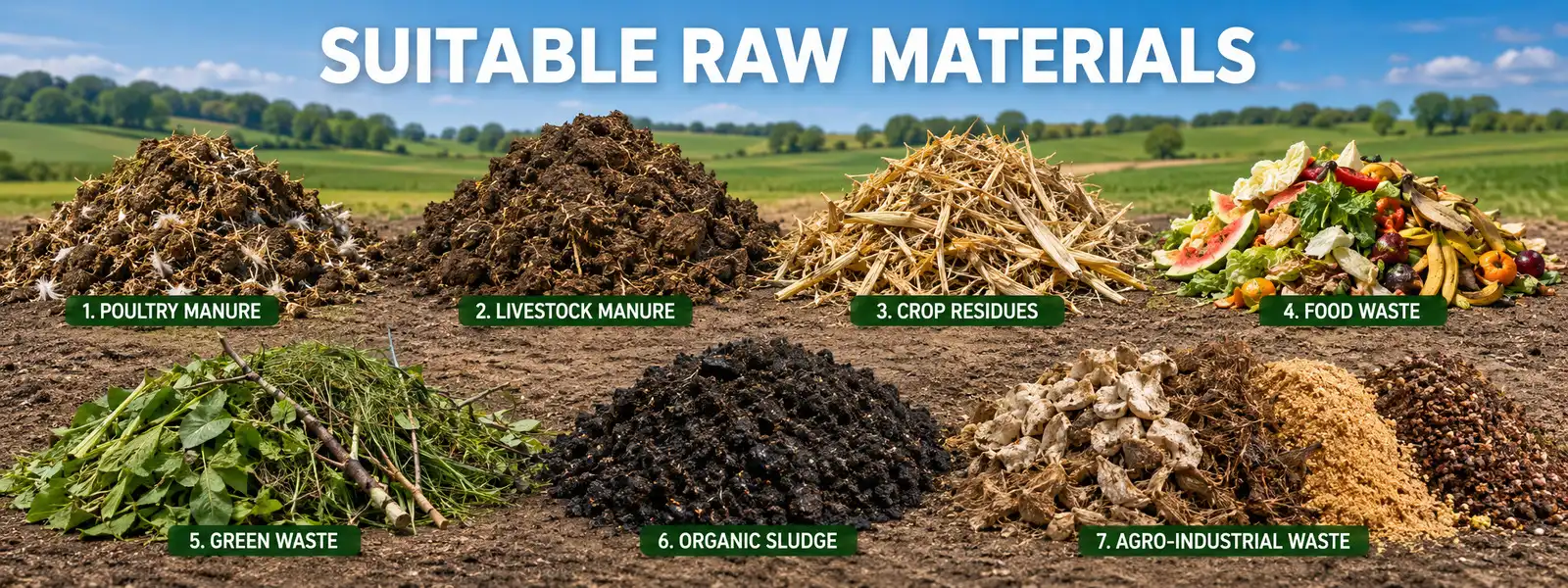
A vertical aerobic fermentation tank is able to transform raw organic waste, such as cow dung, poultry droppings, food scraps, and municipal sludge, into soil that is pathogen-free and stable. This is accomplished via the process of biological breakdown at high temperatures. At all times, the air levels, moisture levels, and temperature within the tank are precisely within the parameters that are specified since the tank is covered. This controlled option eliminates the modifications that cause composting outdoors to take longer than it would otherwise.
Why Traditional Methods Fall Short
Composting in open windrows requires a large amount of land, employees to work on it, and favourable weather conditions. In the event that the temperature lowers or it rains on the pile, the bacteria will cease their active activity, and the fermentation process may continue for many months. People who live in the surrounding neighbourhoods often complain about the stench, and since the temperatures of the piles may fluctuate, it is possible that bacteria are able to occupy colder parts. With regard to safety and regulations, this is a significant problem for every business enterprise.
The Core Biological Advantage
Thermophilic bacteria are able to function continuously in an oxygen-free environment at temperatures ranging from 55 to 75 degrees Celsius. Research published in Bioresource Technology found that maintaining temperatures at or above 55 degrees Celsius for at least three consecutive days is effective in eliminating 99.9 percent of the eggs of E. coli, Salmonella, and Ascaris. Within the realm of enclosed fermentation technology, the biological reliability is what differentiates it from prior technologies in terms of both speed and safety requirements.
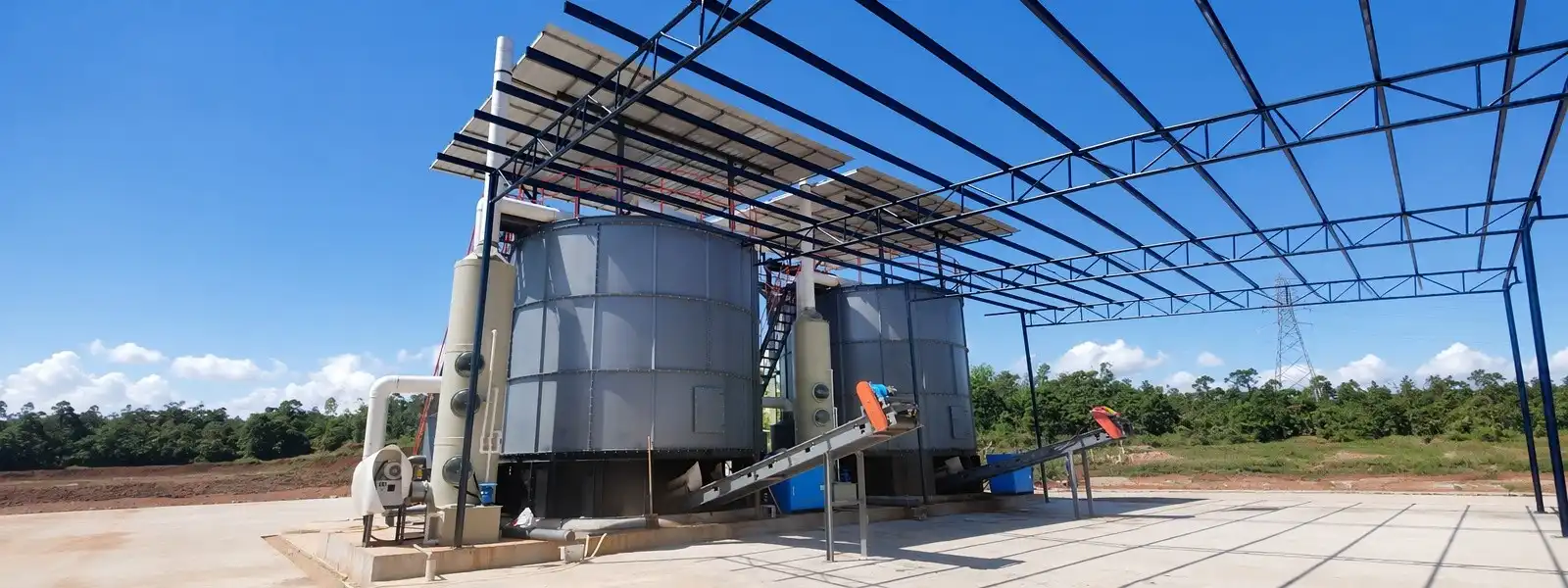
Key Features and Technologies That Enhance Fermentation Speed
Thermal Insulation That Holds Heat
The 52mm polyurethane padding in the YXFJG-120 Vertical Aerobic Fermentation Tank, a compost fermentation machine, keeps the temperature inside stable, even when it gets very cold outside. The heat that microbes produce stays inside the tank instead of spreading to other parts of the room. In most areas, this means that the fermentation environment stays thermophilic day and night, season after season, without the need for extra warmth.
Forced Aeration and Hydraulic Mixing
Two 12.50 kW fans constantly push air through the organic matter from below, keeping the 120 m³ tank volume aerobic. The 11kW unit with a 320L oil tank powers the hydraulic mixing system, which turns and spreads the material so that no area loses too much air or gets too packed. These two systems work together to stop the anaerobic areas that make bad gases and slow down the breakdown process.
Siemens PLC Automation and Remote Monitoring
It is controlled by a Siemens PLC that has a 10-inch HMI touchscreen and an APP interface that can be used from afar. From a computer or phone, operators can keep an eye on temperature, air cycles, and wetness levels in real time. Using sensor feedback, the system changes the frequency of the blowers and the time between mixing them. At this level of automation, there is less need for workers on-site, and mistakes made by people don't happen as often, which keeps fermentation schedules on track.
Operational Guidance: How to Maximize Speed and Efficiency
Preparing Input Materials Correctly
For best microbial performance, the ratio of carbon to nitrogen in the feedstock should be between 25:1 and 30:1. When adding high-nitrogen materials like chicken manure, adding a carbon-rich bulking agent like rice husks, sawdust, or straw before loading helps the material breathe better and stops ammonia spikes. The moisture level should be between 55 and 65%. Every day, 8 to 12 m³ of material is fed into the 1.5 m³ hopper. This keeps the biological process going at full speed.
Setting Operating Parameters to Match Your Feedstock
There are different rates at which different types of waste ferment. Food industry waste, which often has fats that need different microbial inoculants, gets to thermophilic temperatures more slowly than pig and cow dung. For the first three runs, operators should write down the temperature profiles and then set the PLC limits to match. Under regular circumstances, the YXFJG-120 runs at about 25kW, which keeps energy costs low while maintaining steady output.
Maintenance That Protects Long-Term Performance
The main maintenance tasks that keep this system running at full capacity are:
- Weekly checks: Inspect the wire rope (14mm diameter) for wear and verify hydraulic oil levels in the 320L tank.
- Monthly tasks: Clean the deodorization tower (1×5m) spray nozzles and test the 5.5kW deodorization fan output.
- Quarterly review: Calibrate temperature and oxygen sensors, and confirm that blower airflow matches design specifications.
These steps keep the fermentation cycle going smoothly so that your production schedule doesn't get thrown off by unplanned shutdowns. Most of the time, systems that are otherwise well-designed slow down during fermentation because regular checks are skipped.
Comparing Fermentation Systems: Choosing the Right Scale and Configuration
Vertical Tank vs. Open Windrow: A Direct Comparison
For the same amount of space, open windrow composting needs about 5–10 times as much land as a closed tank system. The YXFJG-120 organic compost fermenter only needs 65 m² of floor space and is 9.2m tall, so it can be used in places where land is expensive or limited. It can handle 8–12 m³ of organic waste per day and make 3–4 m³ of finished material per day, making it perfect for medium-sized businesses like livestock farms that make 8–15 tons of manure per day or municipal processors that deal with mixed organic waste streams.
Automated vs. Semi-Automated Systems
Fully automatic units like the YXFJG-120 cost more up front than semi- or fully hand fermentors, but they save a lot of work. With the HMI and remote app, one person can handle the whole daily cycle, while three or four people are needed for similar windrow tasks. Over the course of a year, the difference in wage costs usually makes up a big chunk of the cost of the tools.
Why YUXING Stands Apart as a Manufacturer
Each unit that YUXING ships comes with more than 20 years of experience making fertilizer equipment. The business has worked with clients in over 50 countries and has CE and ISO certifications, which are important for buyers in Southeast Asia, Eastern Europe, and Africa where goods must follow certain rules. The YXFJG-120 is in stock and can be sent out right away. Customized versions have a 15–20 day production wait time. Not only does YUXING sell tanks, but they also offer bacteria inoculants, full production line integration, and on-site installation support.
Procurement and After-Sales Support: What Buyers Should Know
Pricing Factors and Budget Alignment
The YXFJG-120 is in the price range of $15,000 to $80,000 for organic fertilizer businesses on a medium scale. Prices depend on the size of the tank, the type of insulation, the specifications of the control system, and how the tank will be shipped. YUXING provides professional container loading plans for 40GP and Open Top containers. Oversized parts can be taken apart into modules, which lowers freight costs and delivery risk.
Certifications, Warranty, and Ongoing Support
The equipment is CE and ISO certified, which means it meets international safety and performance standards. YUXING guarantees every unit with a lifetime 7x24 after-sales service that includes help with installation, teaching on how to use the unit, and advice on extra parts. There is both remote video support and on-site technical service, so buyers in faraway places can get the same amount of help as buyers in their own communities.
What to Verify Before Signing a Purchase Order
Before agreeing to an organic waste fermentation system, buyers should ask for three types of paperwork: third-party pathogen inactivation test results, thermal insulation efficiency data for the buyer's area, and hydraulic system torque test records at 120% of the system's estimated load. These three numbers tell you if the equipment will work the way it's supposed to in real-world production settings.
Conclusion
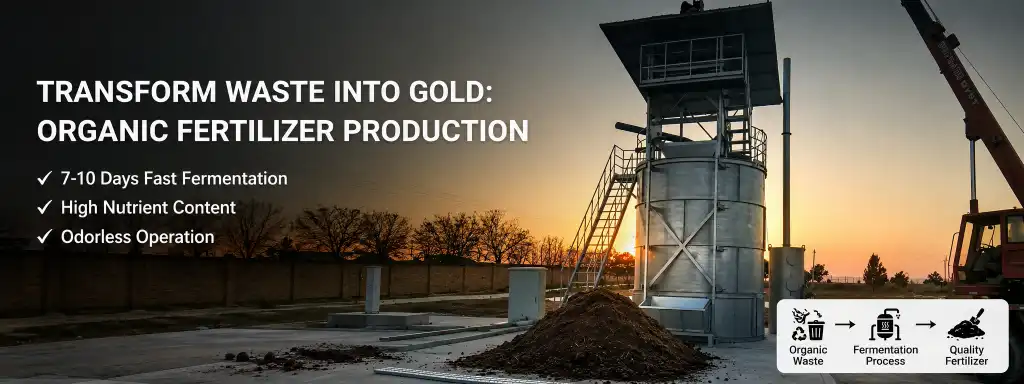
Enclosed aerobic fermentation technology cuts the time it takes to process biological waste from months to days by giving microbes exactly what they need: steady heat, air, and mechanical mixing. Biological needs are turned into solid engineering in the YXFJG-120 Vertical Aerobic Fermentation Tank, a compost fermentation machine with a 120 m³ tank volume, 52mm polyurethane insulation, dual 12.5kW blowers, and Siemens PLC automation in 65 m² of floor space. This technology offers a useful and tested way for farms that raise animals, make organic fertilizer, or process waste to always make high-quality fertilizer, no matter the season or weather.
Frequently Asked Questions
1. How long does one fermentation cycle take in a vertical aerobic tank?
A full fermentation cycle in the YXFJG-120 takes 7–10 days from initial loading to finished output. This is significantly shorter than the 60–90 days typical of open windrow methods because the enclosed environment holds thermophilic temperatures continuously.
2. Can this machine handle high-moisture feedstocks like pig slurry?
Yes, but input moisture should be adjusted to 55–65% before loading. Mixing dewatered slurry with dry carbon-rich material—such as sawdust or crop residue—before feeding achieves the target moisture range and prevents compaction inside the tank.
3. What are the real operating energy costs?
The YXFJG-120 draws approximately 25kW during normal operation. At a standard industrial electricity rate of $0.08–$0.12 per kWh, daily energy cost runs roughly $48–$72. Frequency conversion on the blowers helps reduce consumption during low-activity fermentation phases.
4. Does the system control odor effectively?
Yes. The integrated deodorization system includes a 5.5kW fan, a 1×5m deodorization tower, a spray tower pump, and a 15m chimney. This multi-stage setup—combining water scrubbing and bio-filtration—keeps emissions within standard regulatory limits.
Take the Next Step With YUXING's Vertical Fermentation Tank
With busy customers in more than 50 countries, YUXING has been making compost fermentation machines for more than 20 years and is a well-known brand. The YXFJG-120 is CE- and ISO certified, comes with full installation instructions, and comes with free expert help for life. Get in touch with our team at yuxing@hnyxmachinery.com for a full setup price on a system that can handle 8–12 m³ of organic waste every day within a 65 m² area.
References
1. Haug, R. T. The Practical Handbook of Compost Engineering. Lewis Publishers, 1993.
2. Ryckeboer, J., et al. "A Survey of Bacteria and Fungi Occurring During Composting and Self-Heating Processes." Annals of Microbiology, 2003.
3. Tiquia, S. M., & Tam, N. F. Y. "Elimination of Phytotoxicity During Co-Composting of Spent Pig-Manure Sawdust Litter and Fresh Pig Manure." Bioresource Technology, 1998.
4. Bernal, M. P., Alburquerque, J. A., & Moral, R. "Composting of Animal Manures and Chemical Criteria for Compost Maturity Assessment." Bioresource Technology, 2009.
5. Sánchez-Monedero, M. A., et al. "Pathogen Destruction During Composting of Different Organic Wastes." Chemosphere, 1999.
6. United States Environmental Protection Agency. Biosolids Technology Fact Sheet: In-Vessel Composting of Biosolids. EPA 832-F-00-061, 2000.

USER EVALUATE
Get your tailored fertilizer plant solution — contact us today.