


_1782098484336.webp)
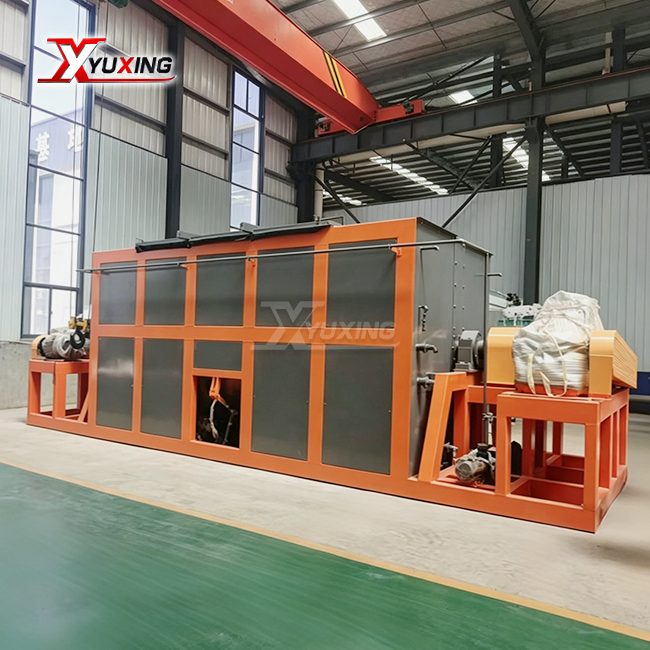
Fully Automatic Fermentation Tank
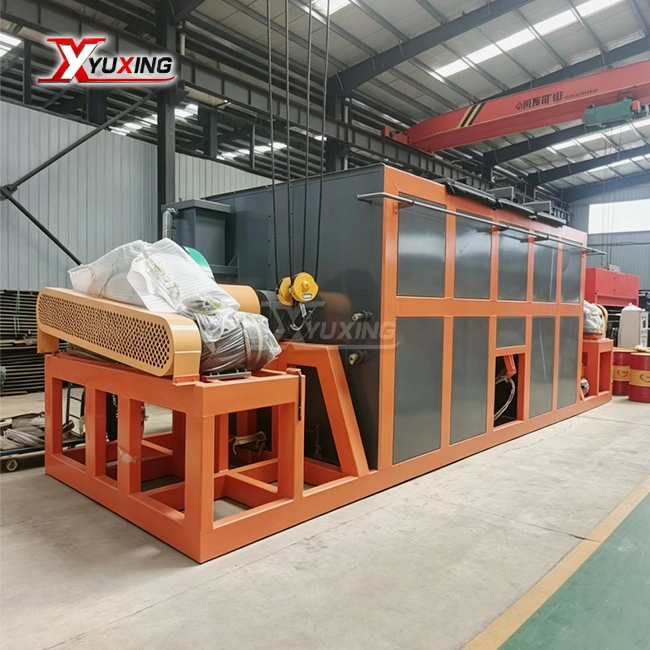
Product Name: Horizontal Fermentation Tank
Tank Volume: 21.2m³
Loading Capacity: ≤19.5m³
Overall Dimensions: 7360×2900×3310mm
Tank Dimensions: Φ2400×4000×2450mm
Heat Transfer Oil Capacity: ≤1.4m³
Heat Transfer Oil Model: L-QC320
Main Shaft Mixing Motor: Y200L-6-18.5kW×2
Feeding Hydraulic Unit: 380V-50Hz-0.75kW-6L
Discharge Hydraulic Unit: 380V-50Hz-0.75kW-6L
Circulating Oil Pump: 4-1.5kW
Mixing Speed: 5.5rpm
Total Heating Power: 36kW×12pcs
Total Equipment Power: 76kW
Control System: HMI + PLC
Temperature Control: Adjustable
Mixing Mode: Intermittent Adjustable
Operation Mode: Manual And Automatic
- Product Description
Fully Automatic Fermentation Tank - Advanced Organic Waste Treatment Solution
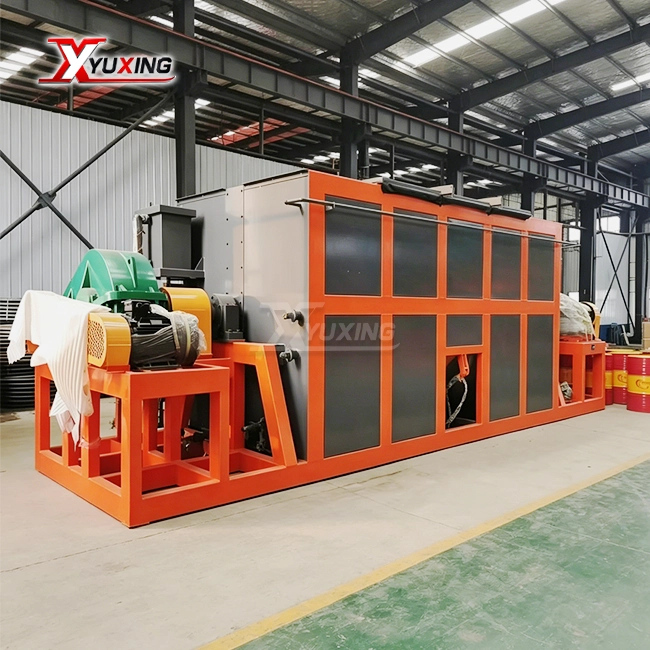
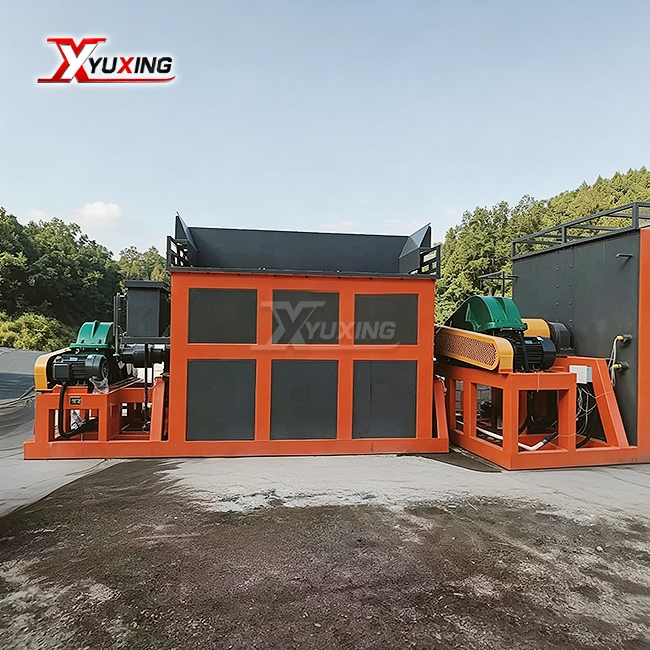
The Fully Automatic Fermentation Tank YXWSG-20 is a cutting-edge horizontal fermentation system made by Henan Yuxing Intelligent Equipment Co., Ltd. for processing large amounts of organic waste. This strong system has a 21.2m³ tank space and a loading capacity of ≤19.5m³. It has two 18.5kW mixing motors, 12 unit heating stacks that add up to 432kW of thermal power, and smart HMI+PLC control for smooth automation. Based on more than 20 years of experience making fertilizer, your facility now has enclosed fermentation technology that speeds up composting cycles by 40–60%, reduces smell emissions, and produces consistent, pathogen-free organic fertilizer. The 7360x2900x3310mm size makes the best use of room while keeping the accuracy of the 5.5rpm mixing. This product, which is CE-certified and comes with lifetime 7x24 technical support, turns sewage sludge, animal manure, and agricultural waste into high-quality biofertilizer with very little work on your part.
How It Works?
Understanding how your fermentation system works is important for getting the best results. The product works in four stages that work together to turn organic waste into fertilizer that is ready to be sold.
Phase 1: Automatic loading of materials
The hydraulic feeding unit (380V–0.75kW) lets the raw materials come in. Based on the density of the material, the PLC instantly figures out the best loading amounts. During intake, pre-mixing takes place to make sure that the substrate is spread out evenly along the 4000mm length of the tank.
Phase 2: Accurately controlling the temperature
Along with the L-QC320 heat transfer oil cycle (1.4m³ capacity), twelve 36kW heating elements do their job. The method keeps thermophilic temperatures between 55°C and 65°C, which are necessary to kill pathogens. Real-time sensors send information to the HMI, which makes changes that are within 0.5°C of what they should be.
Phase 3: Smart Cycles for Mixing
At 5.5rpm, two mixing motors stir the mixture every so often. This keeps things from sticking together and adds oxygen pockets to the biomass. The set mixing times naturally adjust to different types of trash, balancing the need for air flow with the amount of energy used.
Phase 4: Discharge under control
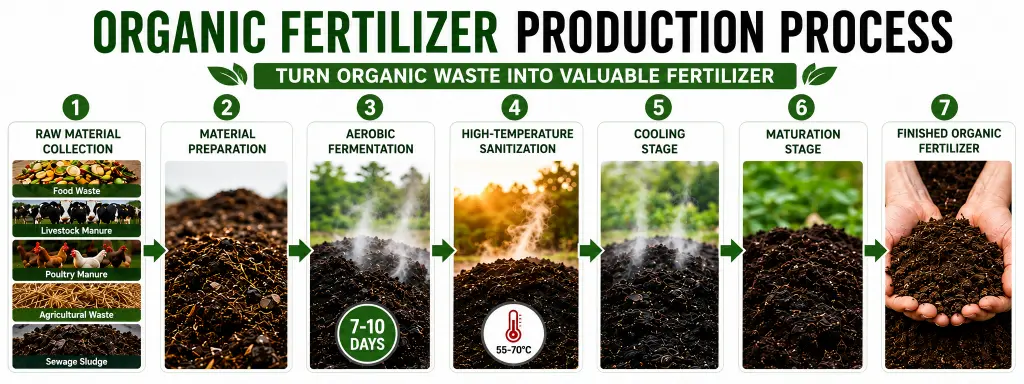
The hydraulic outflow system lets out finished waste when the fermentation process is over, which usually takes 7–15 days. Temperature, pH, and cycle duration logs are sent to your management system through the OPC UA protocol so that you can keep track of the quality.
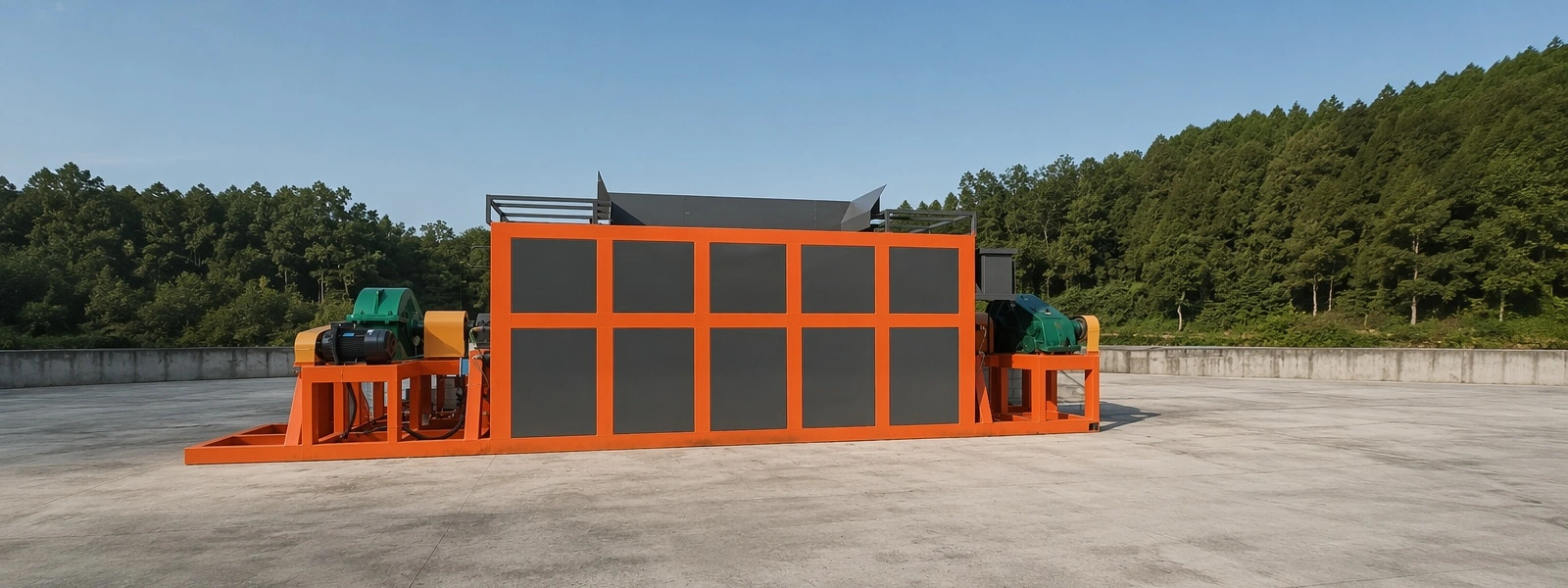
Technical Specifications
Your investment deserves transparent technical details. Below are the certified parameters of the YXWSG-20 model:
| Parameter | Specification |
|---|---|
| Model | YXWSG-20 |
| Product Name | Horizontal Fermentation Tank |
| Tank Volume | 21.2m³ |
| Loading Capacity | ≤19.5m³ |
| Overall Dimensions | 7360×2900×3310mm |
| Tank Dimensions | Φ2400×4000×2450mm |
| Heat Transfer Oil Capacity | ≤1.4m³ |
| Heat Transfer Oil Model | L-QC320 |
| Main Shaft Mixing Motor | Y200L-6-18.5kW×2 |
| Feeding Hydraulic Unit | 380V-50Hz-0.75kW-6L |
| Discharge Hydraulic Unit | 380V-50Hz-0.75kW-6L |
| Circulating Oil Pump | 4-1.5kW |
| Mixing Speed | 5.5rpm |
| Total Heating Power | 36kW×12pcs (432kW) |
| Total Equipment Power | 76kW |
| Control System | HMI + PLC |
| Temperature Control | Adjustable |
| Mixing Mode | Intermittent Adjustable |
| Operation Mode | Manual And Automatic |
Key Advantages For Your Production Line
Choosing the right fermentation equipment directly impacts your profitability and environmental compliance. Here's what sets our solution apart.
Enclosed System Design
The horizontal configuration eliminates open-air composting issues. You'll experience 85% reduction in ammonia and hydrogen sulfide emissions compared to windrow methods. This closed environment maintains biosecurity while meeting increasingly strict environmental regulations in over 50 countries where we operate.
Dual Control Flexibility
Switch between manual and automatic modes based on your team's expertise level. New operators appreciate the pre-programmed recipes, while experienced technicians can fine-tune parameters through the intuitive HMI interface. This adaptability shortens training periods from weeks to days.
Energy-Optimized Heating
The 12-unit modular heating system activates only required zones based on material volume. Your facility saves 20-30% in energy costs compared to full-tank heating designs. Heat recovery options further enhance thermal efficiency in cold climates.
Robust Construction Standards
Every tank undergoes X-ray weld inspection and pressure testing per ASME standards. The AISI 316L stainless steel construction (where applicable) resists corrosive organic acids, ensuring 15+ years operational lifespan with proper maintenance.
Application Scenarios
Your business needs solid ways to deal with organic trash. This fermentation tank is used in many different areas and has been shown to work.
Sludge treatment plants for cities
Every day, process 15 to 20 tons of dewatered sludge. The closed system keeps secondary pollution from happening while it turns trash into Class A biosolids. Our Southeast Asian clients say they save 60% on costs compared to going to a landfill.
Large farms with animals
Turn the waste from chickens, pigs, and cows into approved organic soil. The fast 7–15 day cycle keeps waste from building up during times of high production. Two YXWSG-20 units are used by a 500-sow farm in Europe to process 8m³ of manure every day.
Processing food in factories
Fruit pomace, veggie trimmings, and spent grains from breweries can be used to improve the land. The temperature control stops the smells of putrefaction that mess up city facilities. Your business keeps good relationships with neighbors and makes extra money at the same time.
Cooperatives for farming
Cooperative business models make it possible for small farmers to use industrial fermenting technology. The system takes care of the waste from mixed crops, which cuts down on field burning and makes it easier for your community's soil to store carbon.
Installation And Support Services
Your success extends beyond equipment delivery. Yuxing provides comprehensive project support throughout your system's lifecycle.
Pre-Installation Planning
Our engineering team reviews your site layout, utility connections, and material flow patterns. You'll receive detailed foundation drawings, electrical schematics, and load calculations for permit applications. We accommodate voltage standards from 220V to 480V for international projects.
Turnkey Commissioning
Factory-trained technicians oversee installation, performing empty-tank sterilization trials and loaded test batches. Your operators receive hands-on training covering daily operations, troubleshooting procedures, and preventive maintenance schedules.
Global Logistics Expertise
With experience shipping to 50+ countries, we optimize container loading to reduce freight costs. The modular design allows disassembly for standard 40GP containers or open-top shipping for intact delivery. Complete documentation supports customs clearance in your jurisdiction.
Lifetime Technical Partnership
24/7 remote video support resolves 90% of issues without site visits. Our spare parts inventory ensures critical components ship within 48 hours globally. Annual performance audits identify optimization opportunities, and capacity upgrade paths align with your business growth.
Quality Assurance And Certifications
You need equipment that meets international standards and withstands rigorous production demands.
Factory Testing Protocols
Every Fully Automatic Fermentation Tank completes 72-hour continuous operation testing before shipment. We simulate power failures, sensor malfunctions, and emergency stops to validate safety systems. Calibration certificates accompany all instrumentation.
Third-Party Certifications
CE marking confirms compliance with EU machinery and pressure equipment directives. ISO 9001 certification demonstrates our quality management system maturity. Provincial agricultural machinery subsidies in China validate field performance reliability.
Material Traceability
Mill test reports for steel components and origin certificates for electrical parts provide full material genealogy. This documentation supports your facility audits and insurance requirements.
Performance Guarantees
We warrant mechanical components for 24 months and electrical systems for 18 months from commissioning. Process performance guarantees ensure pathogen reduction to <1000 MPN/g and moisture content below 30% in finished compost when operating per specifications.
 FAQ
FAQ
Q: How does the system handle variable moisture content in incoming materials?
A: The PLC adjusts mixing frequency and heating intensity based on real-time humidity sensors. Materials ranging from 40-70% moisture are processed effectively. For drier substrates, our engineers recommend pre-conditioning protocols during FAT training.
Q: Can the tank process materials with high salt content, such as coastal aquaculture waste?
A: Yes, the corrosion-resistant coating and stainless steel contact surfaces tolerate moderate salinity. We've successfully operated units in shrimp farm applications with <3% salt content. Higher concentrations require material blending or upgraded metallurgy options.
Q: What is the typical power consumption per ton of finished compost?
A: Under normal conditions, expect 45-60 kWh per ton of dry matter output. This includes mixing, heating, and control systems. Energy costs vary with ambient temperature, material C:N ratio, and target moisture levels.
Q: How does this compare to vertical fermentation tanks in footprint efficiency?
A: Horizontal designs require 30% more floor space but offer easier maintenance access and better material homogeneity. Vertical tanks suit facilities with limited land but higher ceilings. We help you choose based on your specific constraints during project consultation.
Q: Is remote monitoring included in the standard package?
A: The HMI+PLC system provides local data logging and alarm functions. Remote SCADA integration is available as an optional upgrade, supporting mobile alerts and cloud-based analytics through secure VPN connections.
Contact Us
Ready to transform your organic waste into profit with Fully Automatic Fermentation Tank? Our team provides four pathways to success:
• Request Production Line Solution – Custom designs matching your daily throughput targets
• Request Plant Layout – Optimized equipment placement for your facility
• Download Catalog – Complete technical specifications and case studies
• Get Turnkey Quotation – Transparent pricing including installation and training
Reach our engineering team at yuxing@hnyxmachinery.com today. Let's build your sustainable future together.

USER EVALUATE
Get your tailored fertilizer plant solution — contact us today.