


_1782098484336.webp)
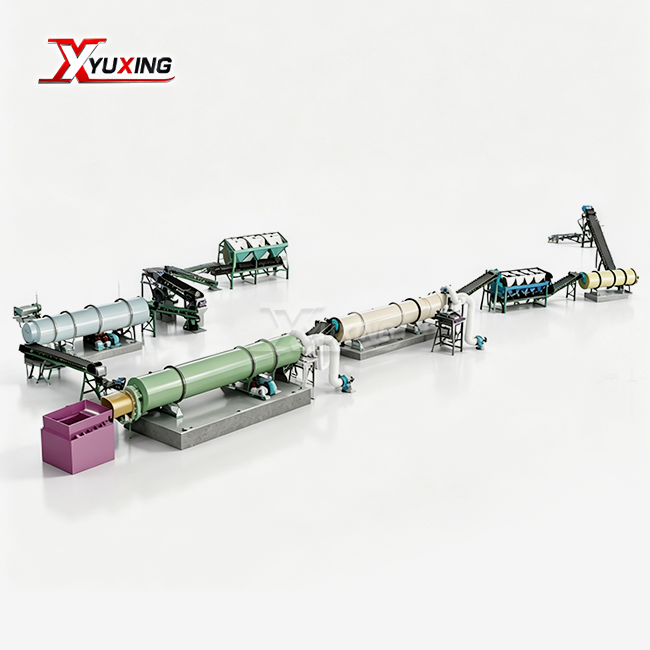
Chicken Manure Fertilizer Production Line
Production Capacity:1,000 – 200,000 Tons/Year
Raw Materials:Chicken manure, poultry manure, cow dung, pig manure, sheep manure, compost, organic waste
Final Product:Powder Organic Fertilizer
Fertilizer Form:Powder Fertilizer
Moisture Requirement:≤30% After Fermentation
Automation Level:Semi-Automatic / Fully Automatic
Voltage:220V / 380V / 415V / 440V / 480V
Frequency:50Hz / 60Hz
Equipment Material:Carbon Steel Q235 / Stainless Steel Optional
Installation:Engineer Overseas Service Available
Application:Organic Fertilizer Plant, Poultry Farm, Livestock Farm, Compost Center, Fertilizer Trading Company
- Product Description
Chicken Manure Fertilizer Production Line — Turn Poultry Waste into Profitable Organic Fertilizer
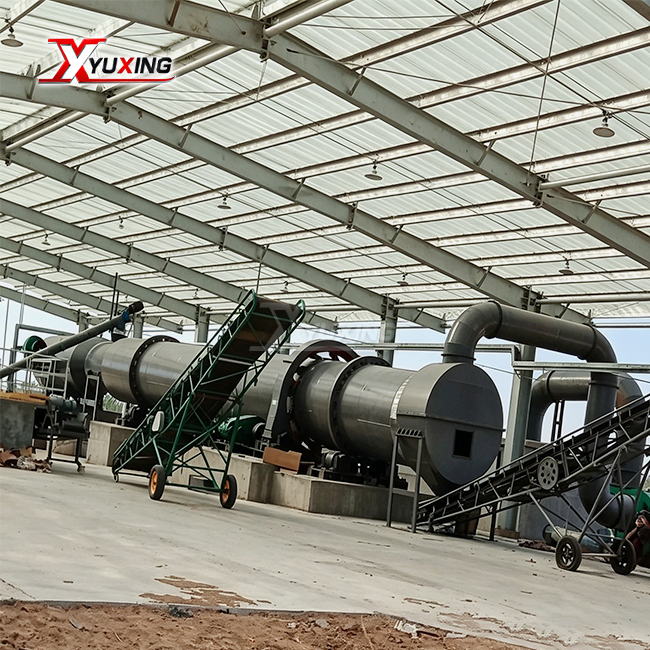
Henan Yuxing Intelligent Equipment delivers industrial-grade Chicken Manure Fertilizer Production Line solutions with production capacities ranging from 1,000 to 200,000 tons per year. Drawing from over 20 years of frontline fertilizer manufacturing experience, our systems achieve moisture reduction from 70% raw content to ≤30% after fermentation, ensuring pathogen-free output at 55–65°C aerobic composting temperature. Our complete powder fertilizer line integrates automated feeding, precision crushing, and intelligent packaging systems, supporting seamless operation in poultry farms and commercial fertilizer plants. With proven installations across 50+ countries, we provide turnkey solutions backed by lifetime technical support.

How to Build a Complete Chicken Manure Fertilizer Production Line Fertilizer Plant
Building a profitable fertilizer plant requires systematic planning beyond equipment selection. Your product must align with raw material volume, local regulations, and target market demands.
Phase 1: Site Preparation & Raw Material Assessment
You need a minimum 3,000–5,000 m² facility for a mid-scale plant. Conduct moisture content analysis of your chicken manure—ideal input is 50–60% moisture after solid-liquid separation. Factor in ventilation zones for odor control and bio-filter tower installation.
Phase 2: Core Equipment Configuration
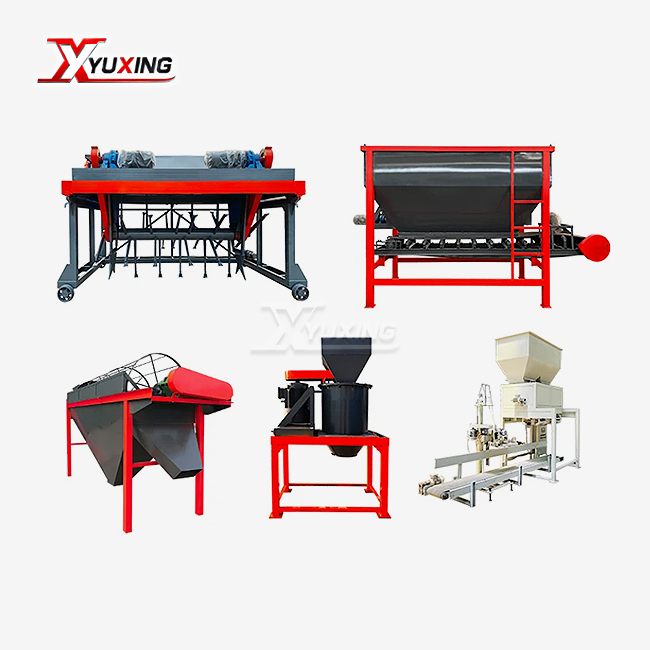
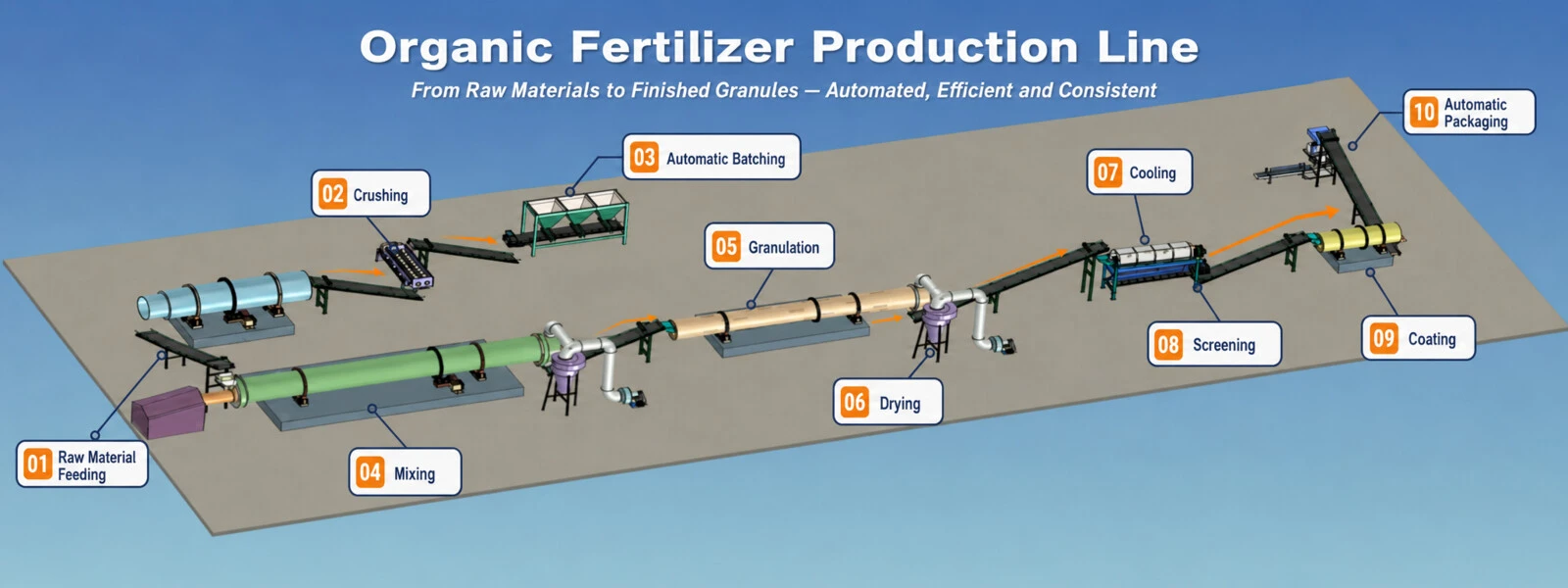
Your production line requires six critical stages. Start with hydraulic feeders for consistent material flow, then vertical crushers to break composted manure into ≤3mm particles. Rotary screening machines remove impurities before automatic packaging achieves 25kg/50kg bag filling at 8–12 bags/minute.
Phase 3: Utilities & Environmental Systems
Install 380V/50Hz three-phase power (or customized voltage for your region). Connect water curtain scrubbers to neutralize ammonia emissions. Ensure dust collection efficiency exceeds 95% to meet environmental standards.
Phase 4: Process Optimization
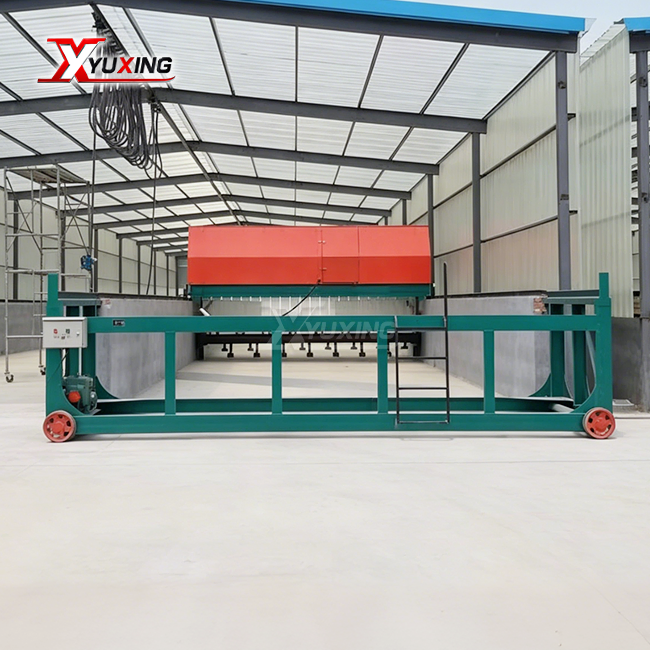
Calibrate your fermentation cycle to 10–15 days using microbial inoculants. Maintain compost turner frequency at twice daily during the thermophilic phase. Target final product moisture at ≤15% for extended shelf life.
Complete Technical Specifications
| Parameter | Value |
|---|---|
| Production Capacity | 1,000 – 200,000 Tons/Year |
| Raw Materials | Chicken/Poultry/Cow/Pig/Sheep Manure, Organic Waste |
| Final Product | Powder Organic Fertilizer |
| Moisture After Fermentation | ≤30% |
| Automation Level | Semi-Automatic / Fully Automatic |
| Voltage Options | 220V / 380V / 415V / 440V / 480V |
| Frequency | 50Hz / 60Hz |
| Equipment Material | Carbon Steel Q235 / Stainless Steel Optional |
| Installation Support | Engineer Overseas Service Available |
| Application | Fertilizer Plants, Poultry/Livestock Farms, Compost Centers |
Core Equipment & Process Flow
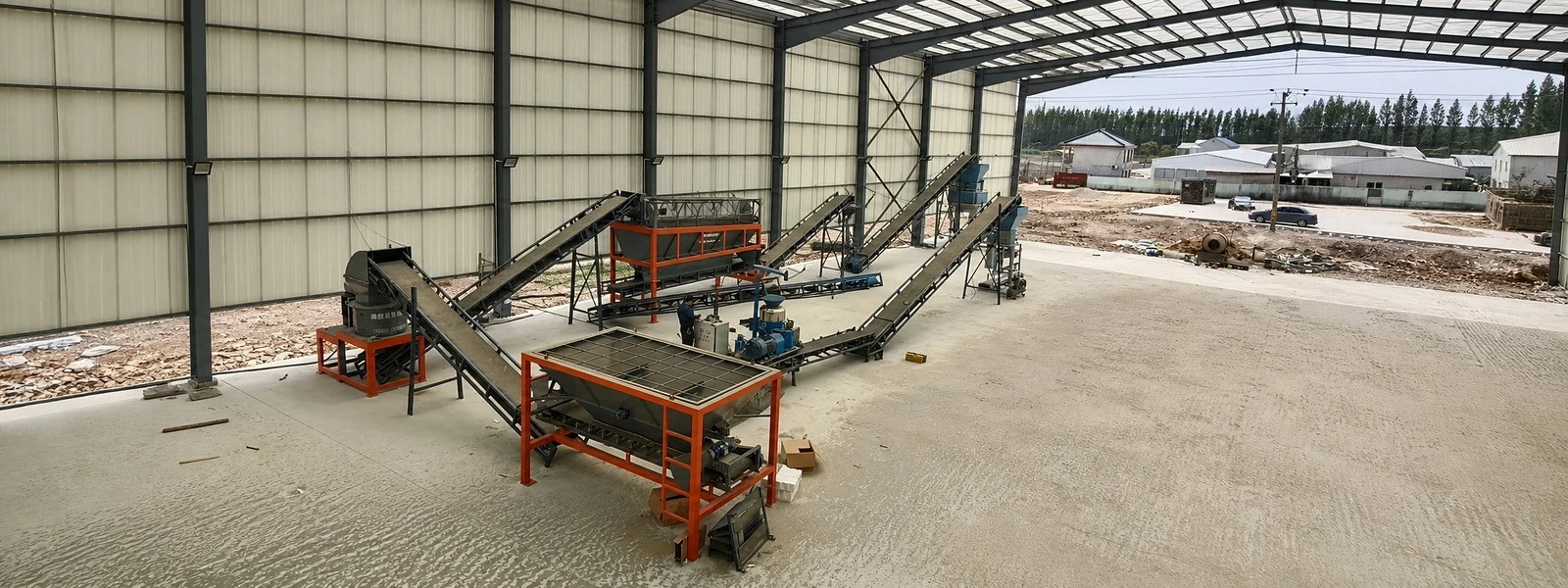
1. Hydraulic Feeding Machine
This system eliminates manual shoveling by delivering 8–15 m³/h of fermented manure. Hydraulic control ensures zero material bridging during peak production hours.
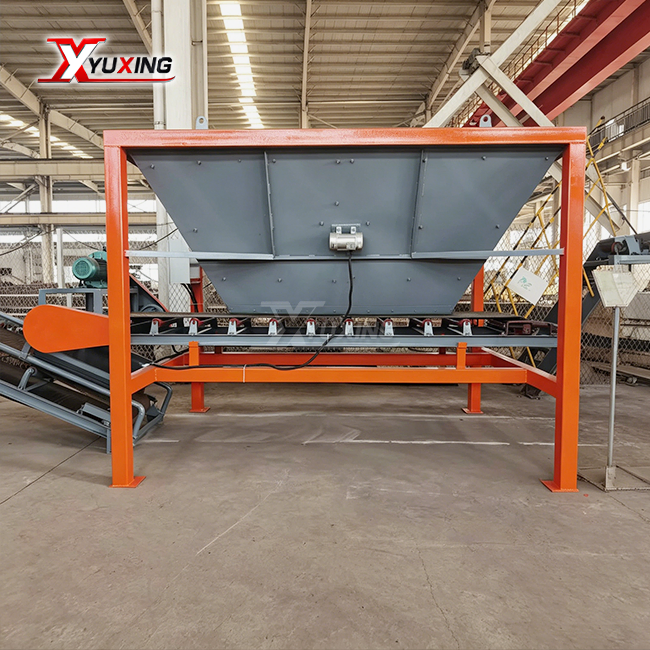
2. Chain Plate Feeding Hopper
Buffering capacity of 1.5–3 m³ prevents crusher starvation. Variable-frequency conveyor speed adjusts to downstream equipment rhythm automatically.
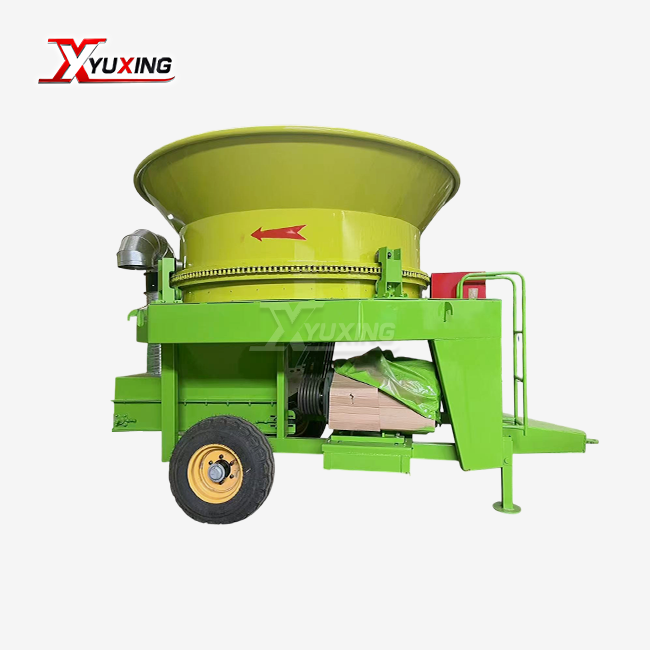
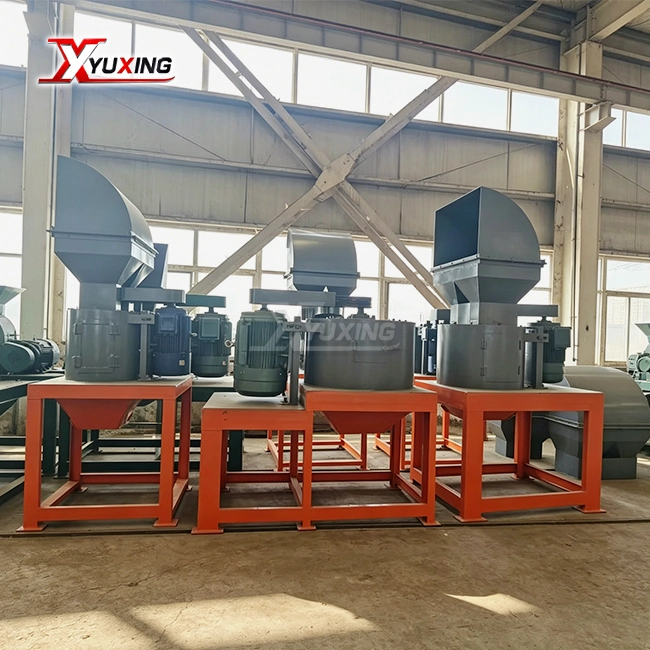
3. Vertical Crusher
Our high-speed cage mill crushes composted chicken manure into 95%+ passing 3mm mesh. Alloy hammer tips withstand 2,000+ operating hours before replacement.
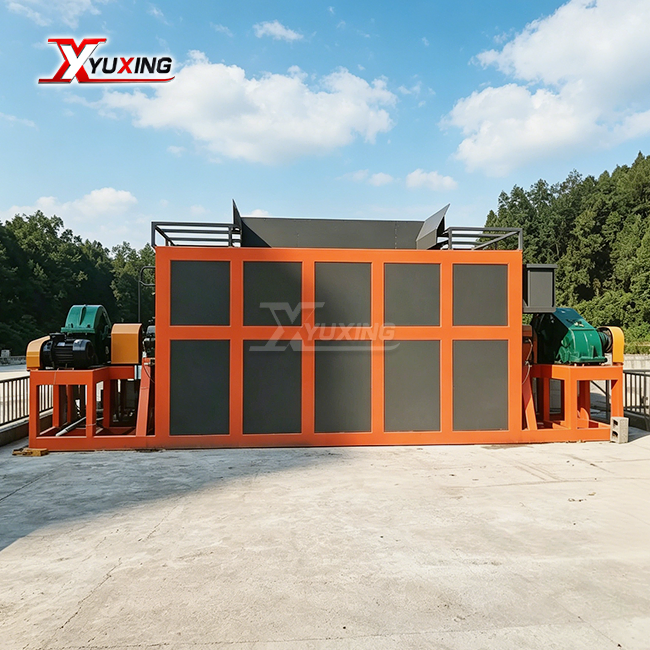
4. Rotary Screening Machine
Triple-layer vibration screening separates oversized debris and ensures 98% uniformity in final powder. Mesh sizes range from 10mm to 80 mesh based on your requirements.
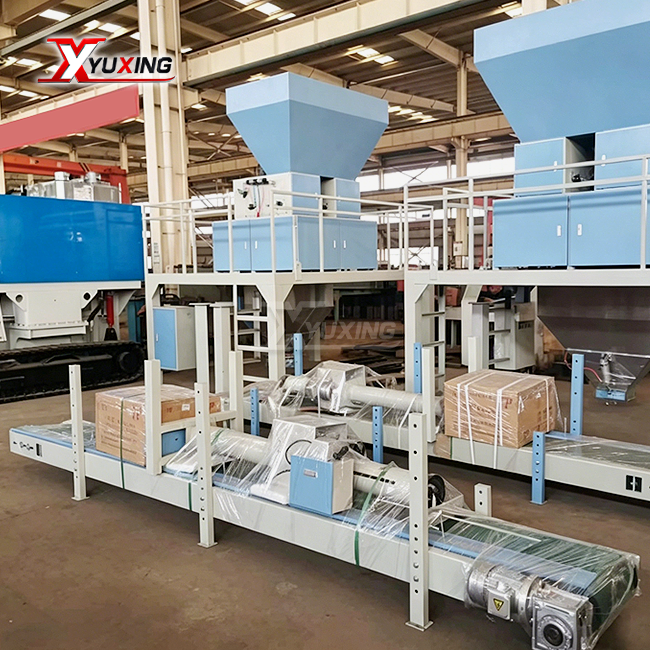
5. Automatic Packaging Machine
Electronic weighing accuracy reaches ±0.2%. Pneumatic bag clamping and heat sealing complete the cycle in 4–6 seconds per bag.
6. Finished Powder Fertilizer
Your product meets organic certification standards with ≥45% organic matter, 2–4% nitrogen, and balanced NPK ratios for vegetables, fruits, and field crops.
Key Technical Advantages That Maximize Your Investment
High Corrosion Resistance
Chicken manure's acidic pH demands specialized materials. We use 304 stainless steel in high-contact zones and anti-corrosion coatings on carbon steel frames, extending equipment life to 15+ years.
Nutrient Preservation Technology
Conventional drying systems volatilize nitrogen. Our low-temperature drying maintains ≥90% nutrient retention by controlling exhaust temperatures below 85°C.
Flexible Customization for Global Compliance
Whether you need CE certification for Europe or 440V/60Hz for North America, we adapt electrical components, PLC interfaces, and safety protocols to your regulations.
15-Day Fast Delivery
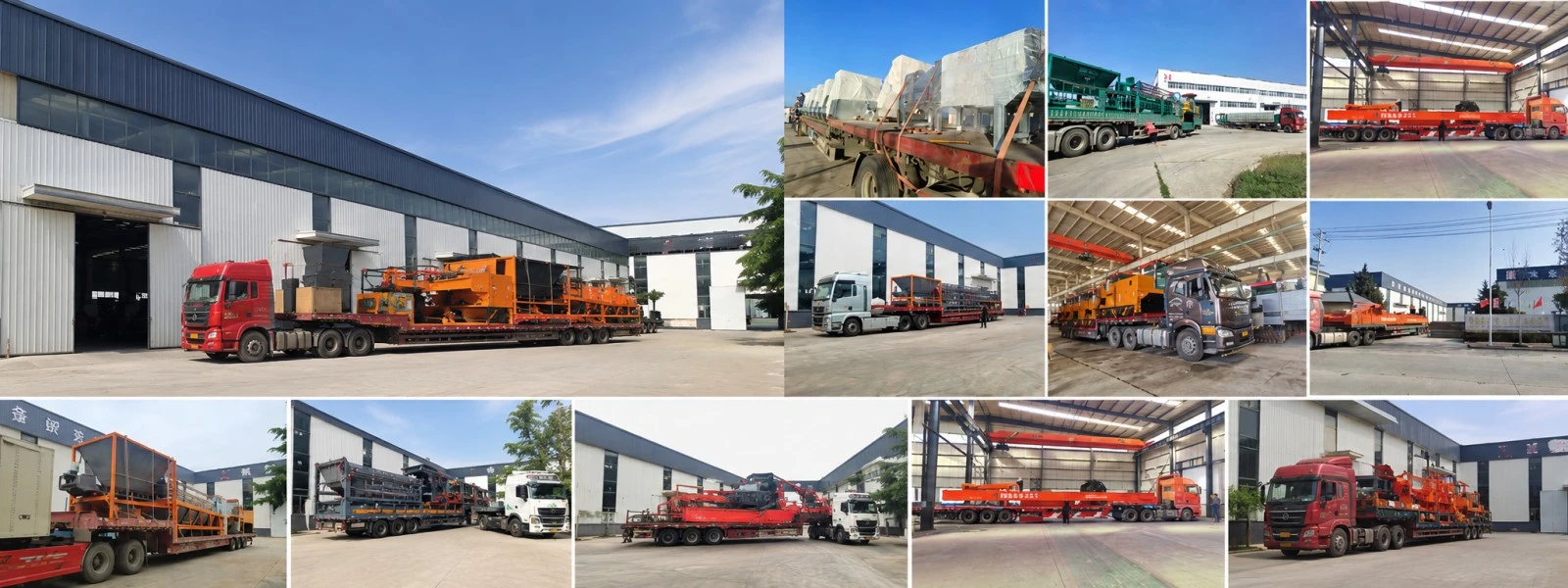
Our warehoused standard equipment and 15–20 day customization cycle reduce your project timeline. Modular designs enable container optimization for cost-effective international shipping.
Application Scenarios Across Multiple Industries
Your Chicken Manure Fertilizer Production Line solves waste management challenges in distinct operational environments.
Large-Scale Poultry Operations
Farms producing 500+ tons/day of manure reduce disposal costs by 60% through on-site fertilizer production. Integrated deodorization systems maintain biosecurity while generating revenue streams.
Commercial Organic Fertilizer Trading Companies
High-throughput plants process mixed organic waste (chicken, cow, and pig manure) to create branded retail products. Uniform granulation and moisture control ensure 24-month shelf stability.
Agricultural Circular Economy Projects
Government-funded ecological parks combine waste-to-fertilizer lines with crop cultivation. Our systems integrate heat recovery units to minimize carbon footprints while supplying certified organic inputs for cooperative farms.
Quality Control Standards You Can Verify
Protecting your investment requires rigorous inspection protocols before commissioning.
Fermentation Performance Testing
We monitor compost turner operations to confirm 55–65°C thermophilic phases lasting 72+ hours. This eliminates pathogens and weed seeds according to international organic standards.
Mechanical Durability Validation
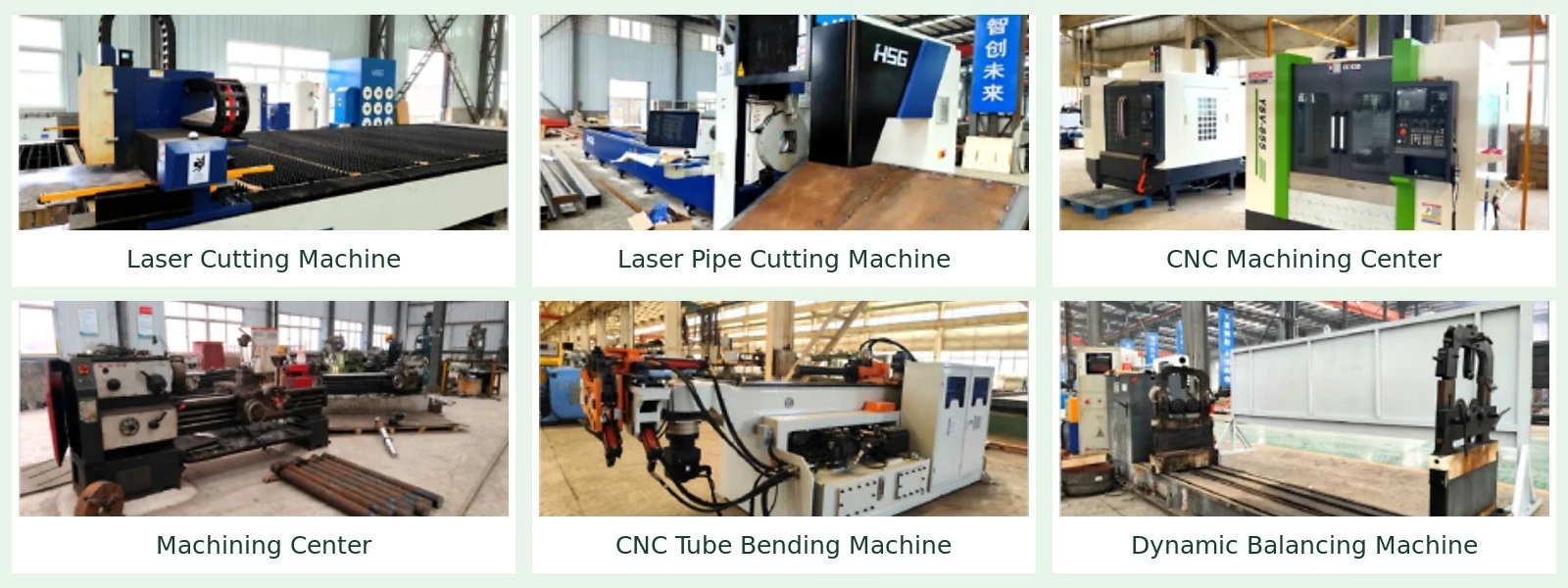
Dynamic balance tests on crushers ensure vibration stays below 0.5mm/s. Granulation die hardness testing guarantees 60+ HRC to withstand abrasive materials.
Final Product Analysis
Laboratory testing confirms moisture content at 10–15%, compressive strength above 15N per granule, and NPK ratios within ±5% of target values.
Safety Compliance Certification
All electrical systems undergo IP54 ingress protection testing. Noise levels remain below 85dB at 1-meter distance, complying with CE and ISO workplace safety standards.
FAQ
Q: How long does the fermentation cycle take in the product?
A: With modern aerobic windrow turners or fermentation tanks, the process typically takes 7–15 days depending on ambient temperature and microbial inoculants.
Q: Can the line handle manure with 80% moisture?
A: While the line can process it, we recommend solid-liquid separation or adding carbon-rich materials like sawdust to bring moisture to 50–60% before fermentation for optimal efficiency.
Q: What is the difference between disc granulation and drum granulation for this line?
A: Disc granulation offers higher flexibility for smaller batches and better visibility, while drum granulation is preferred for large-scale continuous production due to higher output and lower energy consumption per ton.
Q: How do you manage odor generated during production?
A: We integrate closed-loop ventilation with water curtain scrubbers or bio-filter towers to neutralize ammonia and hydrogen sulfide emissions effectively.
Q: What are the main wearing parts I should stock?
A: Key consumables include crusher hammers, granulation liners, and screening mesh, which typically require inspection every 1,500–2,000 operating hours.
Contact Us
Ready to transform poultry waste into profit with Chicken Manure Fertilizer Production Line? Our engineering team will provide:
• Request Production Line Solution tailored to your capacity
• Request Plant Layout optimized for your site conditions
• Download Catalog with detailed specifications
• Get Turnkey Quotation including installation and training
Email us at yuxing@hnyxmachinery.com to start your fertilizer plant project.

USER EVALUATE
Get your tailored fertilizer plant solution — contact us today.