


_1782098484336.webp)
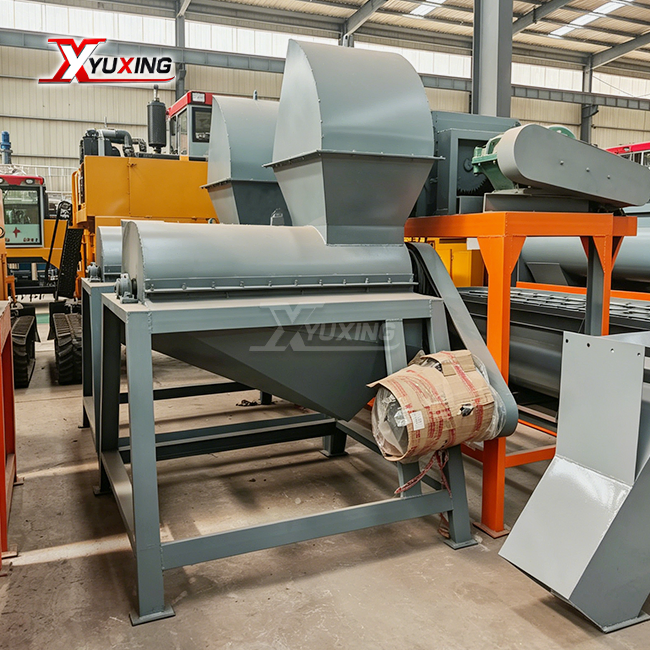
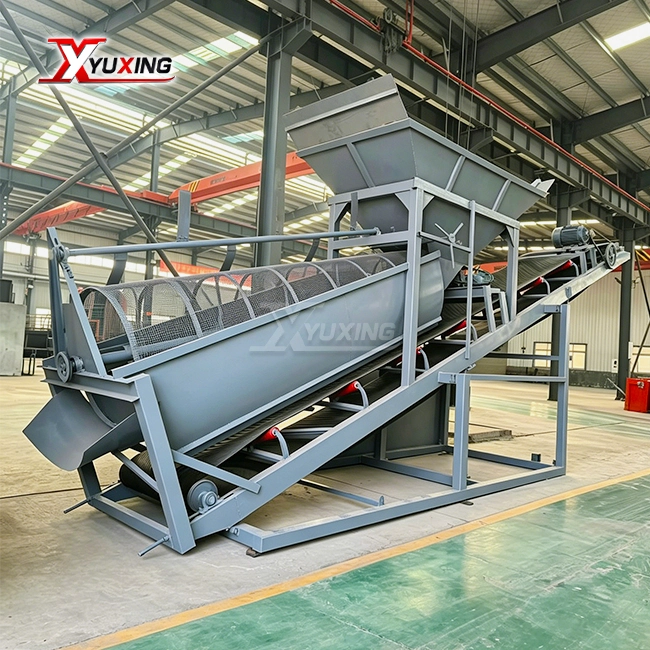
mushroom bag debagging machine
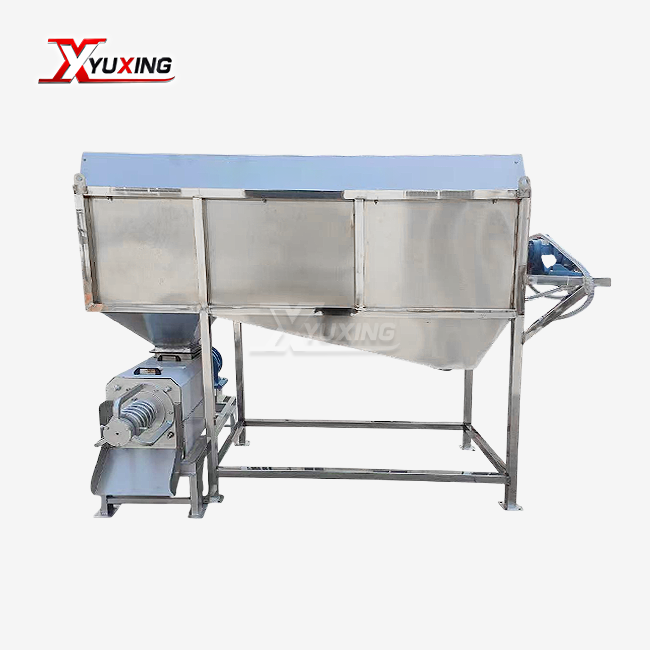
Product Name: Mushroom Bag Debagging Machine
Feeding Bin Size: 3m*2m
Total Power: 21kW
Bag Breaking Capacity: 5000-12000 bags/hour
Configuration: Includes discharge belt conveyor
- Product Description
Mushroom Bag Debagging Machine – Industrial Automation for Efficient Substrate Recycling
The YXBD-150 mushroom bag debagging machine from Henan Yuxing Intelligent Equipment Co., Ltd. brings 20 years of waste treatment experience to fungal culture. This enterprise-grade technology automates laborious stripping of 5,000–12,000 bags per hour. Our system has a 3m×2m feeding bin, 21kW power, and an integrated discharge belt conveyor for smooth downstream integration. It cleanly decouples wasted mushroom substrate (SMS) from polyethylene bags for organic fertiliser manufacture or biomass energy applications with 98%+ separation purity, certified to CE and ISO standards. Yuxing's turnkey solution, with 24/7 technical support and customisable settings, cuts labour costs by up to 70% and meets environmental compliance standards in 50+ worldwide markets.
What Is a Mushroom Bag Debagging Machine?
A product is an industrial automation system that mechanically removes plastic culture films from mushroom substrate after harvesting. This technology tackles major issues in the current circular economy of fungal cultivation: high human labour expenses, mould spore and dust exposure, and inefficient waste stream separation.
The machine neatly separates organic substrate from synthetic polyethylene or polypropylene bags using high-torque cutting and centrifugal or vibrational separation. This allows large-scale recycling and secondary material usage, turning garbage into compost or biofuel.
Automation preserves worker health, speeds throughput, and meets environmental criteria for clean organic waste streams.
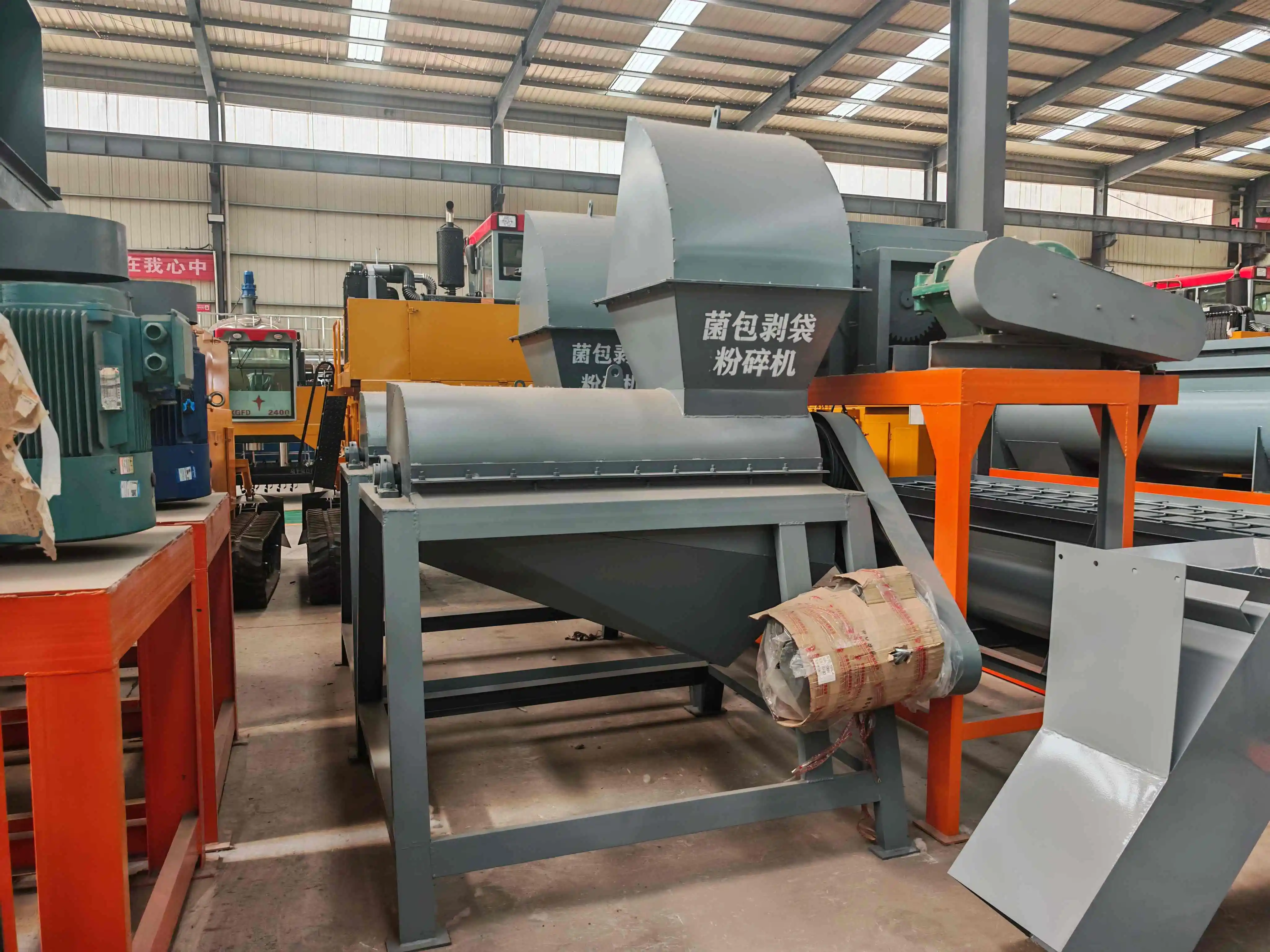
Key Applications in B2B Industrial Scenarios
The mushroom bag debagging machine is used in three high-intensity commercial settings:
1. Large-Scale Commercial Fungi Farms
Automated debagging helps king oyster, shiitake, and button mushroom farmers handle thousands of used blocks daily. At scale, manual stripping becomes a manufacturing bottleneck, yet the machine maintains throughput independent of labour.
2. Organic Fertilizer Production Facilities
The machine is the primary input unit, turning discarded substrate into nutrient-rich compost without plastic. For fertiliser companies seeking organic certification, residual plastic content must be below 1.5% by weight.
3. Biomass Energy Plants
In complicated, humid settings, equipment prepares organic materials for pelletisation or anaerobic digestion. It performs well in harsh settings where hand stripping fails at 60%+ moisture.
Technical Specifications & Core Parameters
| Parameter | YXBD-150 Specification |
|---|---|
| Model | YXBD-150 |
| Product Name | Mushroom Bag Debagging Machine |
| Feeding Bin Size | 3m × 2m |
| Total Power | 21kW |
| Bag Breaking Capacity | 5,000–12,000 bags/hour |
| Separation Efficiency | ≥98% |
| Compatible Bag Diameter | 8–22cm (adjustable) |
| Blade Material | High-manganese steel (HRC 55–60) |
| Noise Level | <80dB |
| Dust Suppression | Integrated module |
| Material Construction | Reinforced carbon steel / SUS304 stainless steel |
| Voltage Options | Customizable (220V/380V/440V) |
| Configuration | Includes discharge belt conveyor |
| Certifications | CE, ISO9001 |
The adjustable blade tension system accommodates bag thicknesses from 0.04mm to 0.08mm, while the modular internal structure enables rapid blade replacement with minimal downtime.
How It Works – Step-by-Step Process
Step 1: Feeding Stage
Spent mushroom bags are manually or automatically loaded into the 3m×2m feeding bin. The bin's large capacity minimizes refill frequency during continuous operation.
Step 2: Primary Cutting
High-torque cutting blades engage the bag material, slicing open the plastic film along predetermined lines. The blade speed and tension are calibrated for different film thicknesses, preventing substrate damage.
Step 3: Centrifugal Separation
A rotating drum or vibrating screen applies centrifugal force, mechanically separating the plastic film from the organic substrate. The high-speed rotation ensures thorough decoupling even in wet conditions (up to 60% moisture content).
Step 4: Dual-Stream Discharge
The separated substrate exits through the integrated belt conveyor toward downstream processing (composting, drying, or granulation). Plastic film is pneumatically or mechanically discharged into a dedicated collection area for recycling or disposal.
Step 5: Dust Control
An integrated dust suppression module captures airborne spores and particles, maintaining air quality standards and protecting operator health.
This closed-loop process operates continuously with minimal manual intervention, achieving throughput rates unattainable through manual labor.
Technical Advantages & Quality Control
1. Efficiency & High Throughput
The 5,000–12,000 bags/hour capacity performs large-scale activities in minutes, compared to hours of human processing.
2. Highest Separation Quality
Over 98% separation efficiency ensures residual plastic content in discharged substrate is below 1.5% by weight, fulfilling organic fertiliser certification standards.
3. Strong Construction
For durability in severe, humid situations, reinforced carbon steel or SUS304 stainless steel resists organic acid corrosion.
4. Low-Maintenance
The modular interior facilitates fast blade replacement. Maintenance is limited to bearing lubrication and V-belt tension checks monthly and quarterly.
5. Noise Reduction
Transmission systems operate at 80dB, meeting industrial noise standards and enhancing labour conditions.
Quality Control Standards:
- Dynamic Balance Test ensures vibration-free rotor operation at high RPMs
- Blade Hardness Test (HRC 55–60) guarantees longevity against abrasive substrates
- Separation Purity Inspection verifies <1.5% residual plastic by weight
- IP55 Waterproof Testing and 24/7 load-limit stress tests simulate continuous industrial cycles
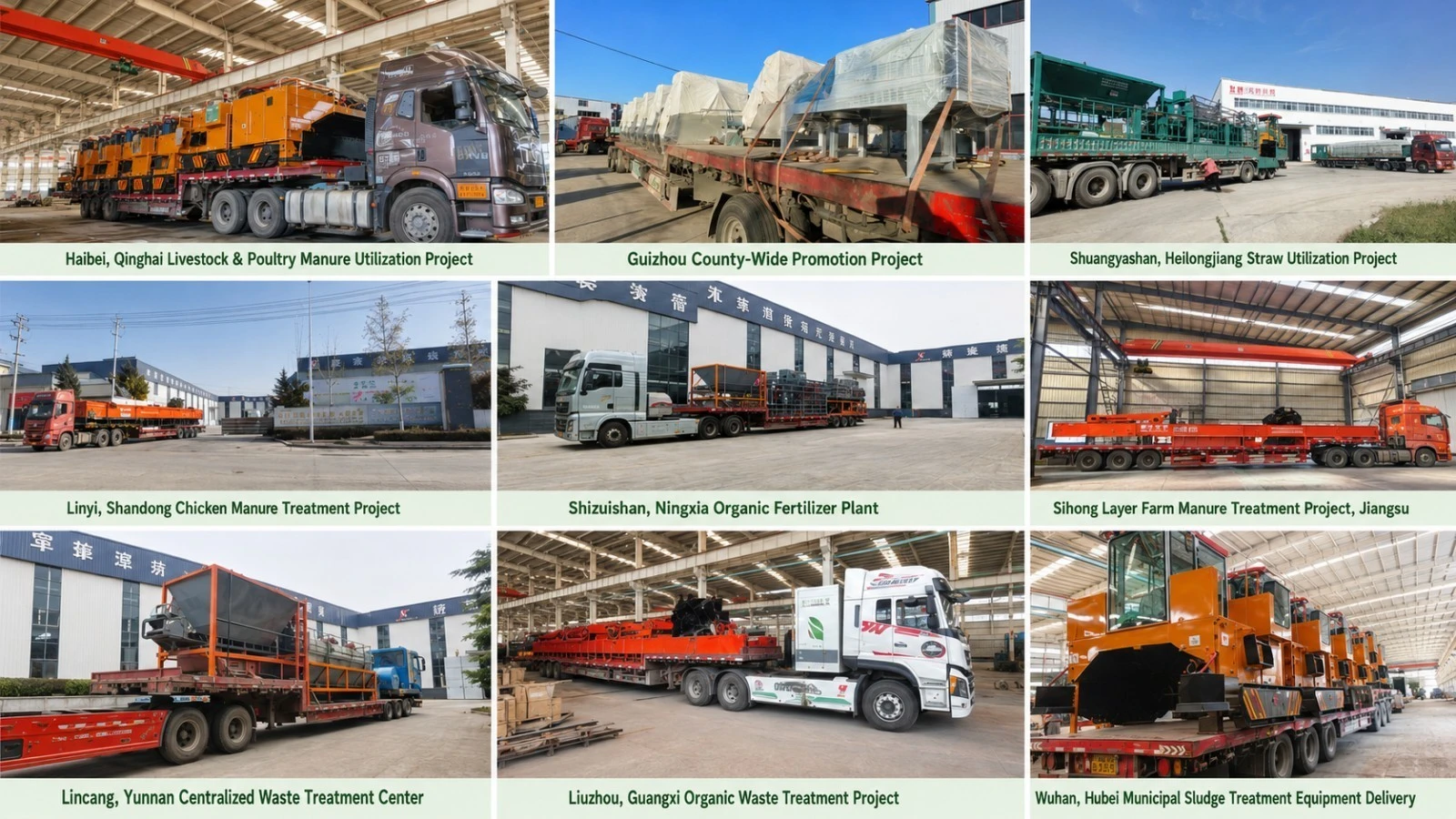
All units undergo authoritative inspection by Chinese technical and quality supervision bureaus before shipment.
Customization & Global Adaptability
Yuxing's 20+ years in fertilizer equipment manufacturing enables deep customization for diverse global markets:
- Voltage & Electrical Standards: Adaptable to 220V/380V/440V; Siemens/Schneider components available
- Certification Compliance: CE, ISO9001, and regional agricultural machinery subsidies
- Material Upgrades: Full SUS304 stainless steel for corrosive environments
- Capacity Scaling: Custom configurations for 3,000–15,000 bags/hour throughput
- PLC & HMI Systems: Multi-language interfaces with intelligent control modules
- OEM/ODM Services: Private labeling and branding for equipment resellers
Fast Delivery:
- Standard equipment ships immediately from stock
- Customized units deliver in 15–20 days
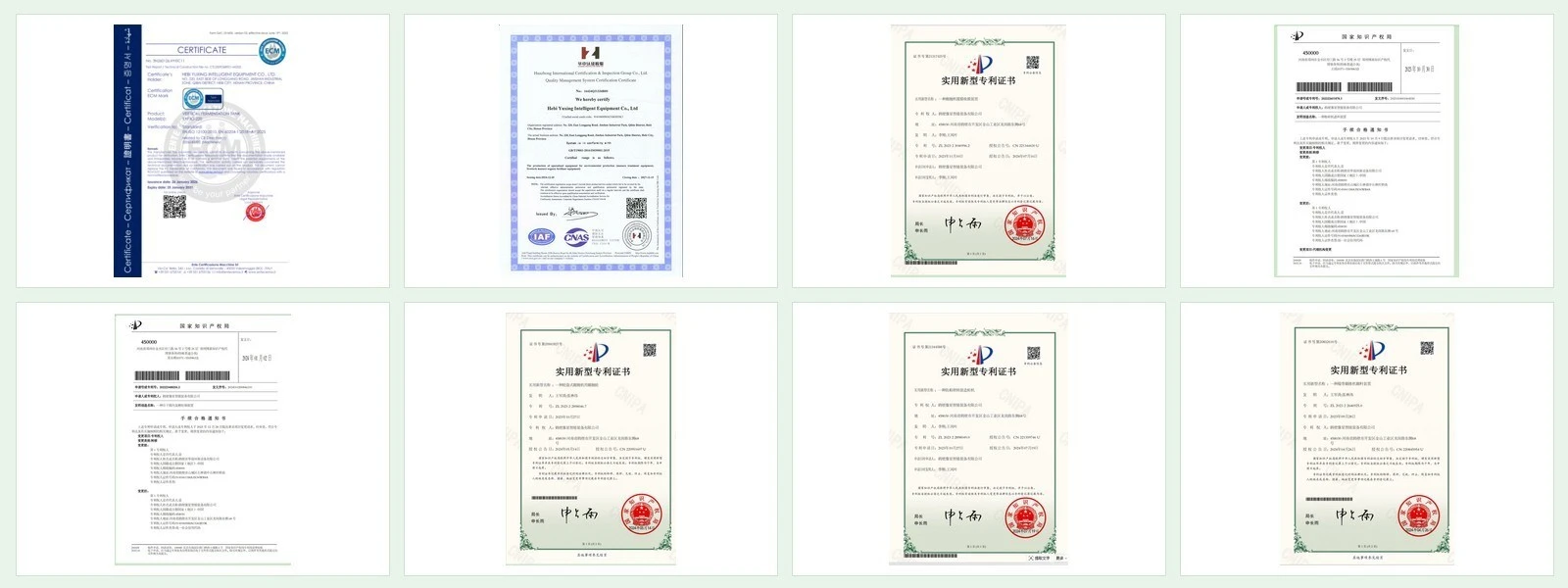
- Advanced logistics expertise (40GP container optimization, oversized equipment handling)
Comprehensive After-Sales & Lifetime Support
Yuxing's commitment extends beyond equipment delivery:
- Installation & Commissioning: On-site technical guidance or remote video support
- Operator Training: Hands-on instruction for safe, efficient operation
- Maintenance Planning: Preventive schedules to maximize uptime
- Spare Parts Supply: Rapid global delivery of critical components (blades, bearings, belts)
- Production Optimization: Capacity upgrades and process refinement
- 24/7 Technical Hotline: Lifetime troubleshooting and remote diagnostics
This turnkey service model ensures your production line maintains peak performance across its entire lifecycle.

FAQ
Q1: Can the machine handle different bag diameters?
A: Yes, the YXBD-150 features adjustable intake ports and flexible tension rollers compatible with bag diameters from 8cm to 22cm, accommodating standard industry bag sizes.
Q2: What is the expected lifespan of the cutting blades?
A: Under standard operating conditions, high-manganese steel blades require sharpening every 1,500 hours and replacement after 4,000–5,000 hours of continuous use.
Q3: Does the machine work with wet or frozen bags?
A: Advanced units handle wet substrate with high-torque drives designed for 60%+ moisture content. Frozen bags should be thawed to prevent blade chip damage and maintain separation efficiency.
Q4: How is the separated plastic film discharged?
A: The machine uses a pneumatic or mechanical discharge chute that collects film in a dedicated area, physically separate from the organic substrate stream for easy recycling.
Q5: What maintenance is required for the transmission system?
A: Monthly lubrication of main bearings and quarterly tension checks on V-belts maintain peak mechanical efficiency. The modular design simplifies component access for routine servicing.
Contact Us
Ready to automate your substrate recycling process with a mushroom bag debagging machine? Henan Yuxing offers customized solutions backed by two decades of waste treatment expertise.
• Request Production Line Solution
• Request Plant Layout
• Download Catalog
• Get Turnkey Quotation
Email: yuxing@hnyxmachinery.com

USER EVALUATE
Get your tailored fertilizer plant solution — contact us today.