


_1782098484336.webp)
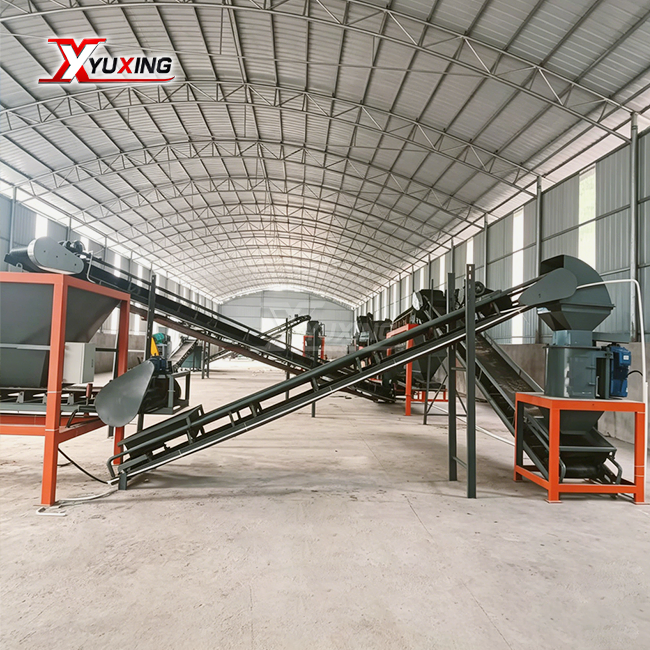
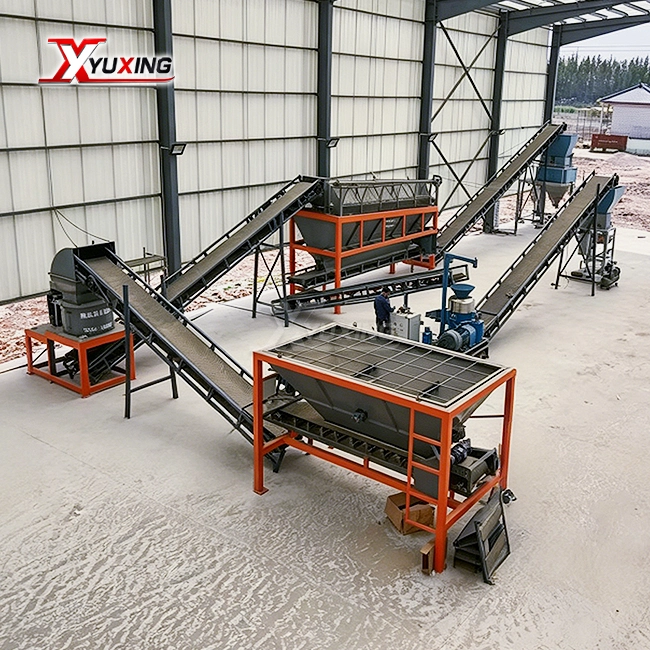
Large Organic Fertilizer Production Line
Product Name: Medium Powder Organic Fertilizer Production Line
Process Flow: Feeding, Conveying, Crushing, Screening, Conveying, Packing
Main Feeding Equipment: YXLC-3020 Loader Feeder
Feeder Capacity: 3-12T/H
Feeder Power: 3.0kW + 0.55kW
Crushing Equipment: YXFS-800-LS Vertical Crusher
Crusher Power: 37kW
Crushing Capacity: 6-10T/H
Screening Equipment: YXSF-4012 Drum Screening Machine
Screening Capacity: 6-10T/H
Belt Conveyor Width: 600mm
Packing Equipment: YXBZ-50 Single Weighing Packing Machine
Packing Range: 20-50kg
Packing Speed: 200-300 Bags/h
Suitable Product: Powder Organic Fertilizer
- Product Description
Large Organic Fertilizer Production Line – Industrial-Grade Automated Fertilizer Plant Solution
Beyond machinery, you need a proven method to convert 6–10 tons per hour of organic waste into high-quality powder fertilizer. Our Large Organic Fertilizer Production Line does that. Yuxing's 20 years of frontline engineering have helped thousands of fertilizer plants in 50+ countries profit from animal manure, agricultural leftovers, and organic sludge.
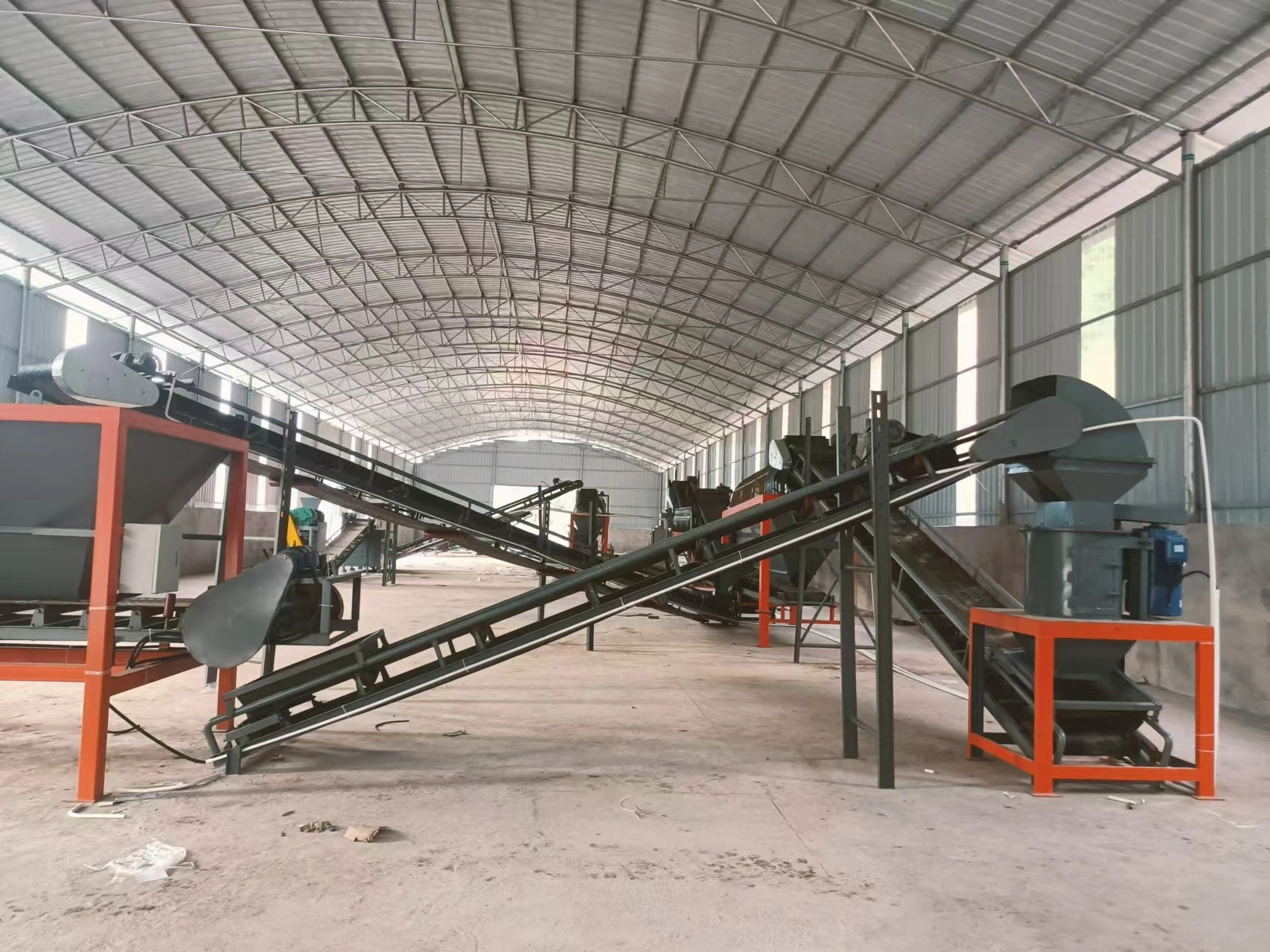
YXLC-3020 loader feeder (3–12 T/H capacity, 3.55 kW total power), YXFS-800-LS vertical crusher (37 kW, 6–10 T/H output), YXSF-4012 drum screener (6–10 T/H), and YXBZ-50 single-weighing packaging machine make up this medium-capacity powder line. Every component is CE and ISO-certified and evaluated by Chinese quality supervision agencies for repeated use in tough industrial settings.
How to Build a Complete Large Organic Fertilizer Production Line Fertilizer Plant?
Understanding your source material, goal capacity, and final product parameters is the first step to fertilizer plant success. Follow these steps to plan and implement a turnkey solution.
Step 1: Raw Material Assessment & Pretreatment Design
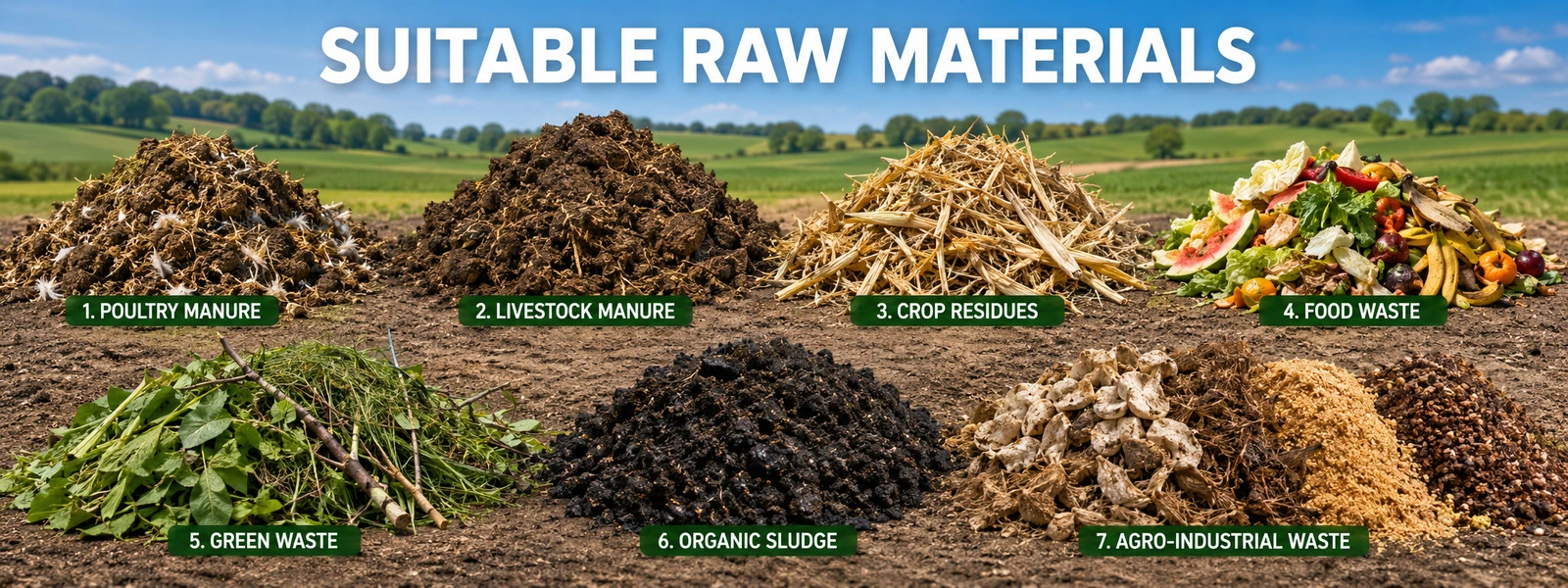
Find your organic waste—chicken manure, animal dung, agricultural leftovers, or municipal sludge. Use solid-liquid separators to stabilize input quality over 60% moisture. Avoid secondary contamination by designing storage bunkers with anti-seepage floors and ventilation.
Step 2: Choose Core Processing Equipment
Match feeders, crushers, mixers, and screeners to hourly throughput. YXLC-3020 feeders stabilize material flow in 6–10 T/H powder lines, while YXFS-800-LS vertical crushers smash fibrous and lumpy materials without clogging. Drum screeners ensure homogeneous particle size distribution for high-quality products.
Step 3: Configure Automation & Control Systems
Add HMI interfaces in your favorite language to PLC-based centralized control panels. Automation cuts labor expenses by 40% and assures batching accuracy. Siemens or Schneider components for 220V/380V/415V/440V are available from Yuxing.
Step 4: Install Dust Collection & Odor Control
Environmental standards must be followed. Install bio-trickling filters at fermentation zones and pulse dust collectors at crushing and screening stations. Negative pressure systems preserve worker health and restrict fugitive emissions.
Step 5: Logistics and Packaging Optimization
At 200–300 bags per hour, the YXBZ-50 packaging machine weighs, fills, and seals. Combine it with palletizers or robotic arms for warehouse-ready stacking. Reduce conveyor distances and energy use by optimizing factory architecture.
Step 6: Commissioning, Training & After-Sales
Yuxing offers on-site installation, system commissioning, and operator training. Remote video troubleshooting, spare parts, and production optimization are available 24/7.
What is a Large Organic Fertilizer Production Line?
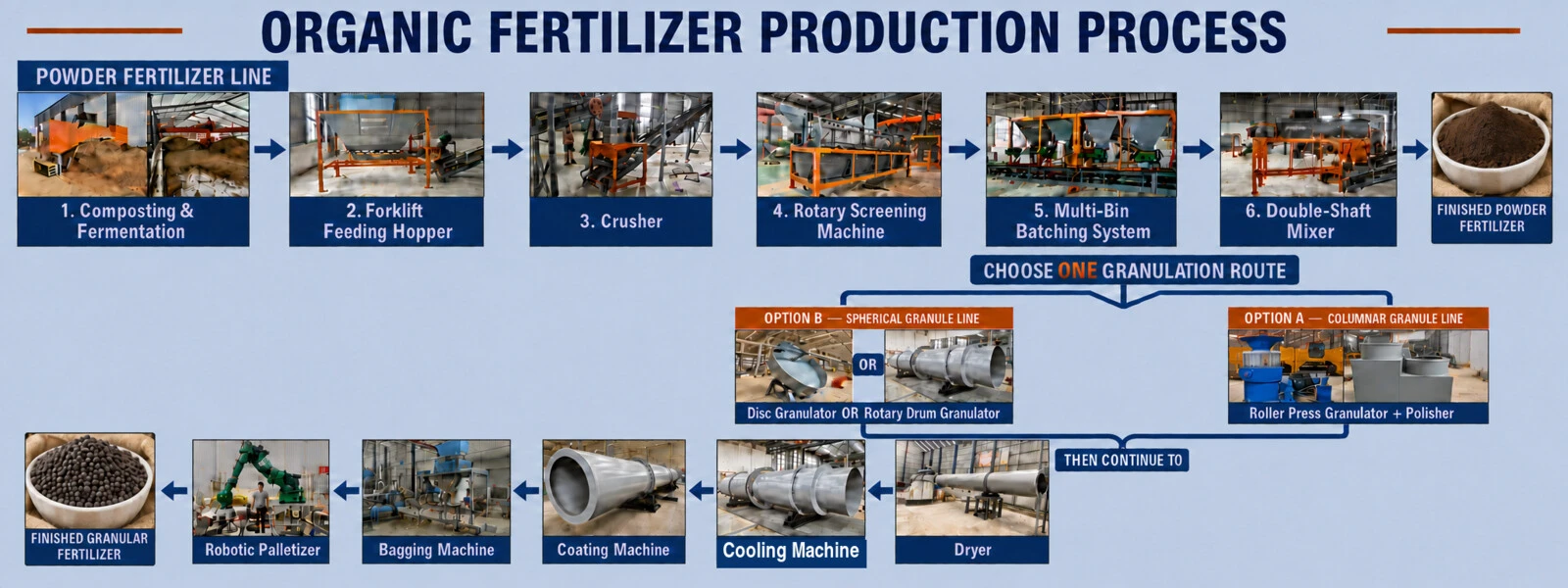
An industrial-grade automated system called a Large Organic Fertilizer Production Line is designed to turn enormous amounts of organic waste into uniform, nutrient-rich fertilizer. These systems combine quick fermentation, precise crushing, multi-stage screening, and automated packing at 10–30 tons per hour, unlike small-scale composting.
You address high labor costs, long manual composting processes, environmental compliance hazards, and uneven product quality. The technology converts animal manure, agricultural leftovers, food waste, and processed sludge into money while following strict odor and discharge restrictions.
Average yearly output is 50,000–100,000 tons. Fermentation efficiency is 300% higher than windrow composting. Pelletizing modules increase spherical particle granulation rates to above 95%.
Key Technical Properties & Competitive Advantages
Powerful automation and modularity
PLC-based control systems batch precisely and monitor in real time. You may make powder and granular fertilizer by activating or skipping the pelletizing module. Modular design lets you start with powder and switch to granules as need rises.
Durable, corrosion-resistant materials
Due to acidic, humid fermentation settings, all contact surfaces are stainless steel or heat-treated alloy steel. High-manganese alloy granulator rollers last over 3,000 hours. In 24/7 industrial operations, robust mechanical design means stability.
Energy Efficiency, Environmental Compliance
Included rotary drum drying devices cut fuel use by 20%. Multi-stage pulse dust collectors reduce particulates to near-zero. Bio-trickling filters eliminate NH₃ and H₂S smells, guaranteeing compliance in crowded settings.
Rapid Delivery, Global Flexibility
Available standard equipment delivers promptly. Custom orders arrive in 15–20 days. We optimize 40GP containers, move big equipment open-top, and disassemble complicated logistical modules. CE certification and 220V–440V voltage adaption enable international plug-and-play.
Core Applications & Industry Fit
Large-Scale Livestock & Poultry Farms
Profit from thousands of tons of manure monthly. Automatic closed-loop processing transforms hazardous waste into organic fertilizer and removes environmental constraints. Cuts expensive third-party disposal costs.
Cooperative Industrialized Agriculture
Process straw and agricultural leftovers from high-intensity farming zones centrally. Bio-organic pellets improve soil and minimize chemical fertilizer use. Supports government agricultural machinery subsidies and sustainable farming.
Municipal Waste Treatment Plants
Organic food waste and sludge were processed under high municipal environmental norms. Advanced heavy metal separation and odor control fulfill municipal discharge requirements. Make sustainable soil additions for urban landscaping and green infrastructure.
Technical Specifications Table
| Parameter | Specification |
|---|---|
| Model | 6-10T/H Medium Powder Line |
| Product Name | Medium Powder Organic Fertilizer Production Line |
| Process Flow | Feeding → Conveying → Crushing → Screening → Conveying → Packing |
| Main Feeder | YXLC-3020 Loader Feeder |
| Feeder Capacity | 3–12 T/H |
| Feeder Power | 3.0 kW + 0.55 kW |
| Crusher Model | YXFS-800-LS Vertical Crusher |
| Crusher Power | 37 kW |
| Crushing Capacity | 6–10 T/H |
| Screener Model | YXSF-4012 Drum Screening Machine |
| Screening Capacity | 6–10 T/H |
| Belt Conveyor Width | 600 mm |
| Packing Machine | YXBZ-50 Single Weighing Packing Machine |
| Packing Range | 20–50 kg |
| Packing Speed | 200–300 Bags/h |
| Suitable Product | Powder Organic Fertilizer |
| Certifications | CE, ISO |
| After-Sales Support | Lifetime 7x24 technical assistance |

FAQ
Q1: How does the system handle varying moisture levels in raw manure?
A: We integrate high-efficiency screw press separators and moisture-regulating recycling systems to stabilize input at 50–60% for optimal fermentation. Pre-treatment consistency ensures smooth downstream processing.
Q2: What is the lifespan of core crushing components?
A: With high-manganese alloy treatment, vertical crusher hammers and screens exceed 3,000 hours of continuous operation. Wear parts are readily available for fast replacement during scheduled maintenance windows.
Q3: Can I produce both powder and granular fertilizer on the same line?
A: Yes. The modular design allows bypass routing—package powder directly after screening, or route material to granulation modules for pellet production. Switch between formats based on market demand.
Q4: How is odor controlled in large-scale operations?
A: Negative pressure collection systems combined with bio-trickling filters and chemical scrubbers neutralize NH₃ and H₂S emissions. Enclosed fermentation zones prevent fugitive odors from impacting surrounding communities.
Q5: What is the typical ROI period for a medium-capacity line?
A: Depending on raw material costs, local subsidies, and product pricing, most clients achieve full return on investment within 18 to 24 months. Government agricultural machinery subsidies can reduce upfront capital by 20–30%.
Contact Us
Ready to transform organic waste into profit with Large Organic Fertilizer Production Line? Let's design your ideal production line together.
- Request Production Line Solution tailored to your raw materials and capacity
- Request Plant Layout with optimized equipment placement and workflow
- Download Catalog for full technical specifications and case studies
- Get Turnkey Quotation including equipment, installation, and training
Email us at yuxing@hnyxmachinery.com – our engineering team responds within 24 hours.

USER EVALUATE
Get your tailored fertilizer plant solution — contact us today.
YOU MAY LIKE
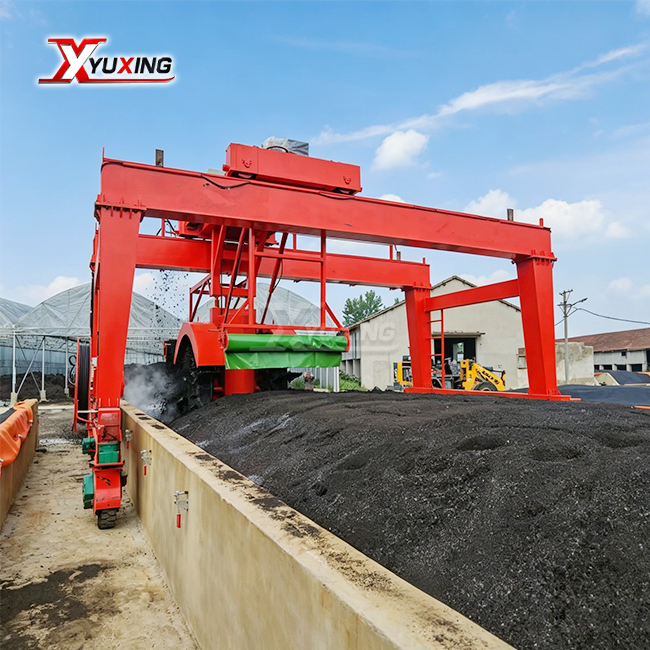 VIEW MORESelf-propelled compost turner
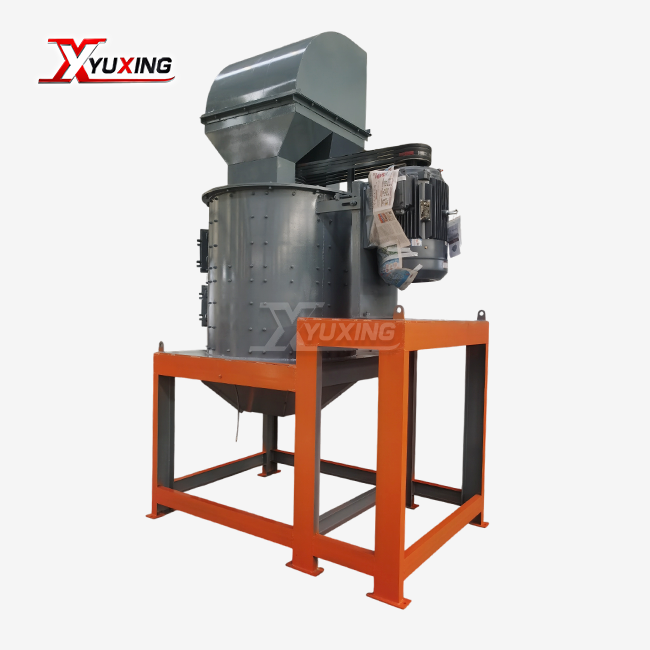 VIEW MORECompost Crusher Machine
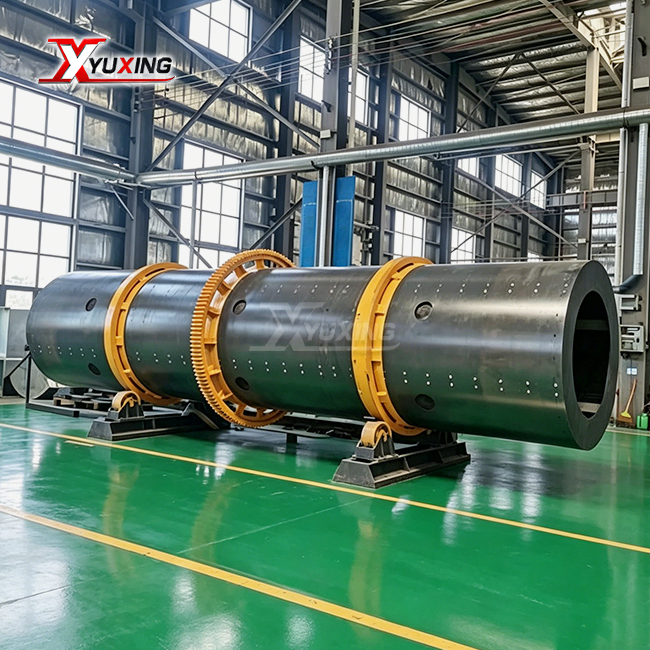 VIEW MOREManure Granulator
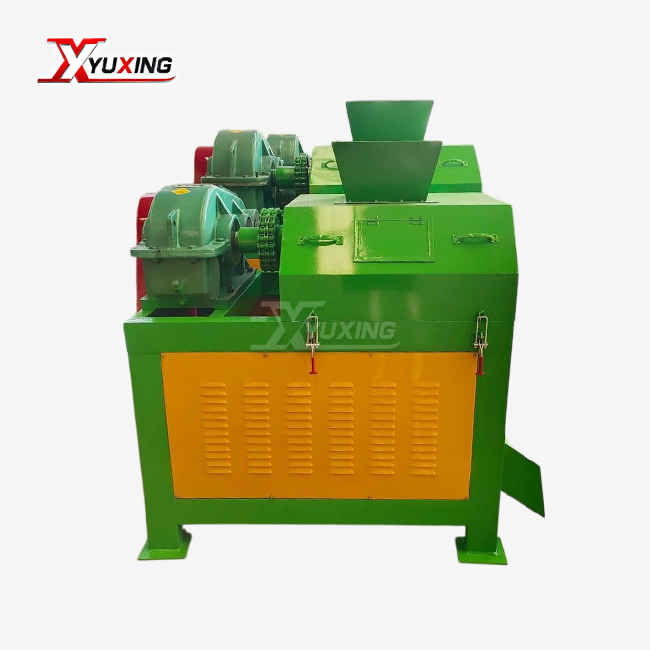 VIEW MOREdouble roller press granulator
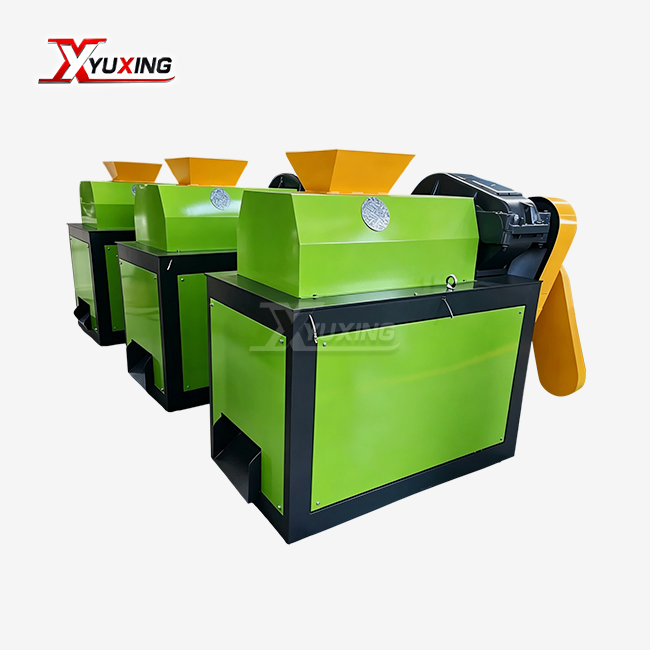 VIEW MOREnew type organic fertilizer granulator
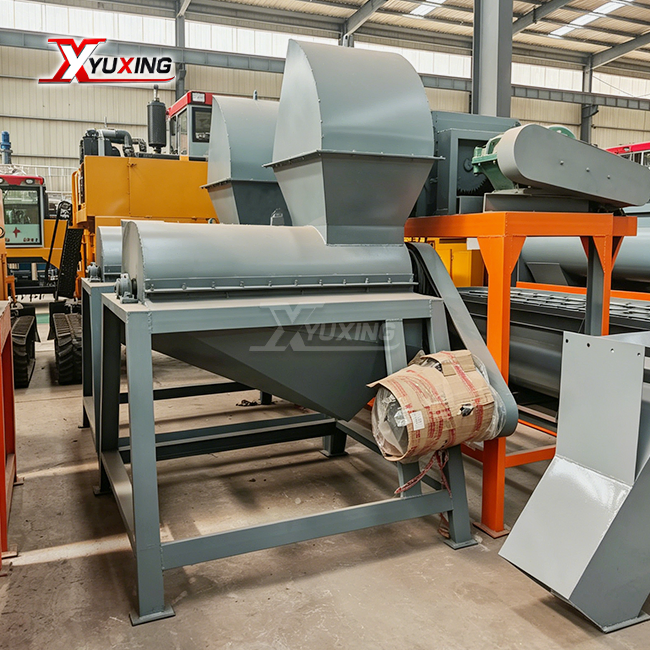 VIEW MOREmushroom bag debagging machine
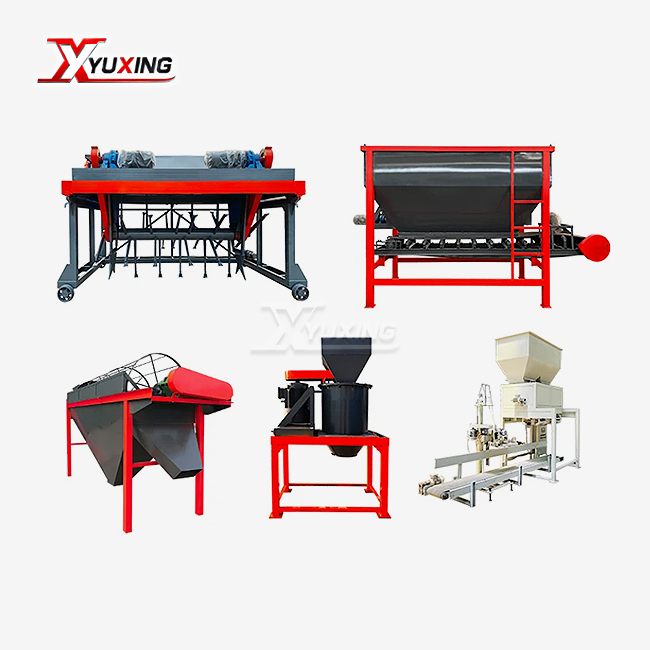 VIEW MOREcow dung fertilizer machine
 VIEW MORESmall Organic Fertilizer Production Line