



_1782098484336.webp)
Organic Fertilizer Granulator Working Principle
The Organic Fertilizer Granulator working principle centers on mechanical compression and agglomeration, where fermented organic powder materials—including livestock manure, crop residues, and municipal sludge—are forced through a high-pressure extrusion zone between counter-rotating rollers or rotary drums. This process binds organic particles into uniform, dense granules ranging from 2mm to 10mm in diameter, solving critical challenges like difficult transportation, inconsistent nutrient distribution, and low commercial value of powdered products.
Understanding the Organic Fertilizer Granulator Working Principle
To turn organic trash into fertilizer pellets that can be sold, you need special tools that can handle a wide range of raw materials while keeping the quality constant. The basic process includes using controlled mechanical force to turn loose, fermented organic powders into tight sphere- or cylindrical-shaped pellets.
Core Mechanisms Behind Granulation Technology
Organic fertilizer granulators, like the YXJY-55 model with its 55 kW motor, work by feeding organic material that has already been processed between two rollers that are spinning counterclockwise. The rollers squeeze the material into a thick sheet with holes or grooves in it. As the sheet leaves the compression zone, it breaks up into smaller pieces. The making density is usually between 0.8 and 1.2 g/cm³, which makes sure that the granules keep their shape while they are being packed and shipped. This cold-granulation process keeps alive helpful microorganisms that would otherwise die at high temperatures.
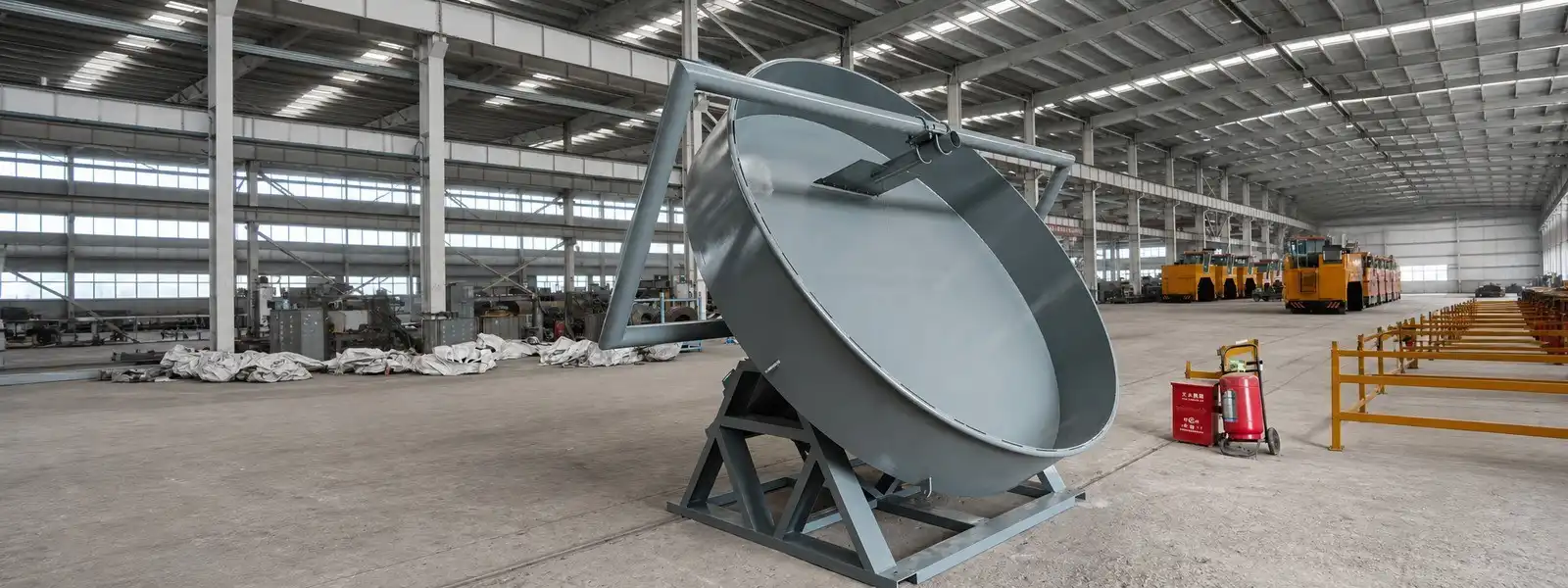
Disc granulators use gravity and rotational power in a different way. The raw materials are put into a pan that is turning at an angle of 35 to 55 degrees. Water or a binder is sprayed on the pan to make nucleation points. Material particles hit each other and stick together. They keep rolling until they reach the right size, at which point they spill over the edge of the pan. This method works best with materials that have a higher initial moisture content.
Wet Versus Dry Granulation Approaches
Wet granulation methods work best with materials that are 15% to 30% moisture, like newly fermented organic waste that still has some of its natural moisture. Within this range, the YXJY-55 Organic Fertilizer Granulator works well, so in many production situations, no pre-drying equipment is needed. This method lowers the amount of energy used and the cost of running the business while keeping the microbes alive in bio-organic products.
Dry granulation works best with materials that have less than 10% moisture, so they usually need to be dried first. Even though it takes a lot of energy at first, this method makes granules that are harder and last longer. Which method to use relies on the properties of the raw materials, the needs of the target market, and the amount of money that can be spent on extras like rotating dryers.
Critical Components Driving Performance
Knowing about key parts helps people who buy things judge the quality and durability of equipment. In extrusion systems, the wear resistance depends on the material of the roller skin. Surfaces made of high-manganese steel or a special alloy can handle rough organic materials for 1,500 to 2,000 hours of use before they need to be replaced. Roller concentricity and dynamic balance have a direct effect on the regularity of the granules and the life of the bearing.
Drive systems need to be able to give constant force even when the resistance of the material changes. For medium-sized operations, variable frequency drives (VFDs) let operators change the speed of the rollers, which controls the size of the granules and the production output, which is usually between 3 and 6 tons per hour. Properly aligning the shaft and lubricating the bearings keep the machine from breaking down too soon. This is especially important when working with materials that can be up to 20 mm long.
Types of Organic Fertilizer Granulators and Their Applications
To choose the right granulation technology, you need to make sure that the equipment fits the needs of the output and the material. In different working situations, different granulator designs offer clear benefits.
Rotary Drum Granulators for High-Volume Production
Rotary drum granulators have a big cylinder-shaped shell that spins on an angled axis. The material that is put in at the raised end keeps tumbling while the liquid binder is spread out all over the drum. This system can handle more than 10 tons per hour, so it can be used by big fertilizer companies to process a lot of farm waste.
The spinning drum of the fertilizer granulator machine makes a cascade effect that lets the particles slowly stick together as they move toward the discharge end. The retention time and drum angle can be changed, which gives you control over the granule's properties. These systems need a lot of floor space and a lot of money, so they should only be used in factories that have a steady source of raw materials.
Disc Pelletizers for Flexible Small-to-Medium Operations
Disc granulators are appealing to new fertilizer producers and farm groups because they are easy to use and don't cost as much to buy at first. The spinning pan design lets you see how the granulation process is going and lets you change the moisture content, turning speed, and feed rate in real time. It's easy for operators to switch between different organic formulas without having to wait a long time.
These machines can usually handle between 1 and 5 tons per hour, which is enough to meet medium-scale production goals. Their small size makes them ideal for places with limited space, and their simple mechanical design makes maintenance easier. Disc granulators are great for working with materials that need to be gently agglomerated, such as composted chicken manure, mushroom substrate waste, or biochar-enriched organic mixes.
Extrusion Granulators for Dense, Uniform Pellets
Extrusion technology makes the densest, most uniform grains of any way. This directly meets the market's needs for high-quality fertilizer goods. The YXJY-55 Organic Fertilizer Granulator makes pellets with a diameter of 2 to 10 mm and a consistent density. These pellets meet commercial standards for automated packaging and precise agricultural use.
This technology can handle fibrous materials and mixed formulas with mineral fillers without the segregation problems that often happen with rotating systems. Temperatures stay below 40°C during the cold-extrusion process, which protects enzymes and microbes that are important for bio-organic fertilizers. Organic fertilizer granulators give companies that want to sell to high-end customers, like organic vegetable farms or specialty crop makers, a way to set their products apart and charge more for them.
Production Process and Maintenance Tips for Optimal Operation
Integrating granulation equipment into a full process flow and following strict maintenance procedures to ensure consistent performance are necessary for sustainable fertilizer production.
Complete Production Workflow Integration
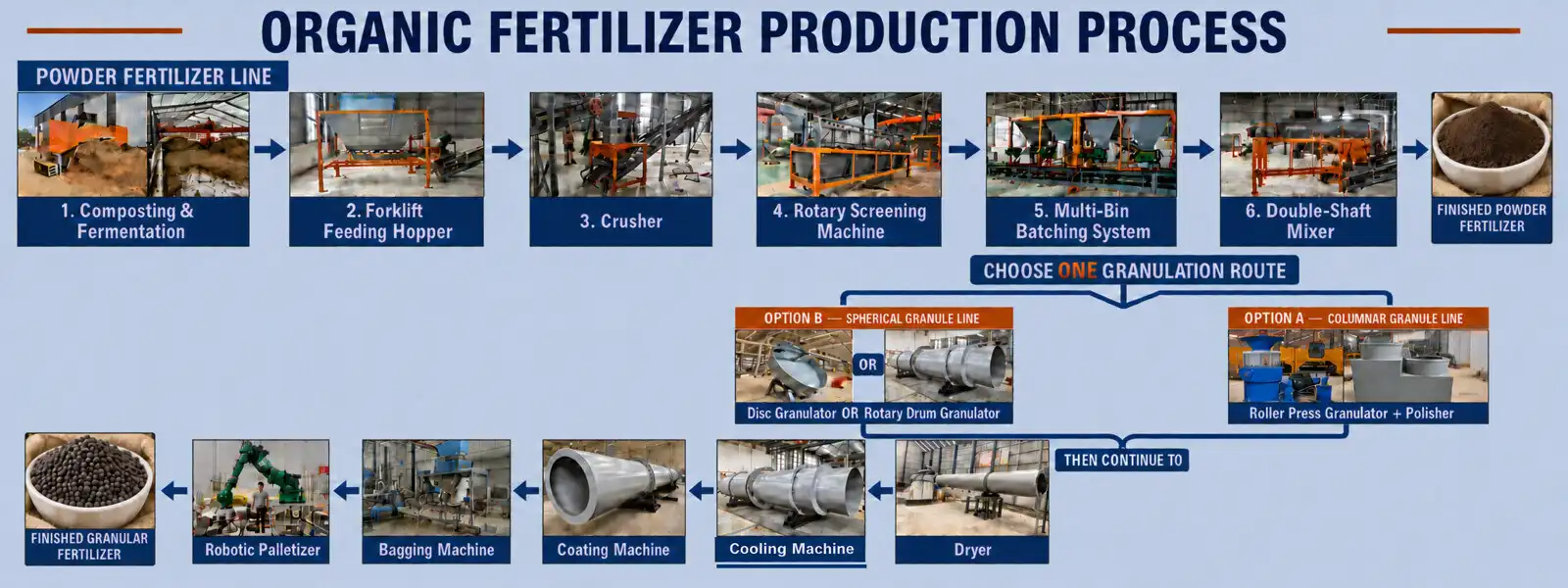
Fermentation is the first step in getting raw materials ready. For 15 to 30 days, aerobic composting of organic garbage gets rid of bacteria and stabilizes the nutrients. After fermentation, the material goes through breakers to make the particles smaller than 20 mm so they can be fed into a granulator. Moisture adjustment stations add water or remove too much humidity, aiming for the 15% to 30% range that works best for extrusion systems.
In the grinding stage, the prepared material is turned into pellets. When the pellets' wetness level rises above certain levels, they are sent to drying equipment. For organic goods, rotary dryers or belt dryers remove 8 to 12 percent of the moisture. Screeners sort particles into two groups: those that are too big or too small. They send off-spec material back to the granulator and send qualified granules to cooling systems that stop them from absorbing moisture again and from the packaging breaking down.
Coating machinery adds protective coats or additives to produced granules, which improves their look and function. Automated packaging lines put goods into bags that range from 25 kg to 1,000 kg bulk containers, getting them ready to be sent out, while the best granulator for compost pellet making helps ensure consistent pellet quality during production. This whole process makes sure that raw farm waste is turned into fertilizer that can be sold and meets business standards.
Preventive Maintenance for Extended Equipment Life
Routine inspections should be done every 8-hour shift. These should include looking at the roller surfaces for signs of wear, the temperatures of the bearings for signs of overheating, and the tension of the drive chain to make sure it is in the right place. Bearings and gears should be oiled at the manufacturer-recommended times, which are usually every 200 hours of operation, using the right grease or oil types that can handle organic material contamination.
Cleaning methods stop the growth of materials that can lead to uneven granulation or stress on the equipment. Operators should clean off the roller surfaces, discharge chutes, and feed mechanisms after each production run. Deep cleaning every three months means taking apart parts that can be reached, checking for corrosion or structural fatigue, and replacing seals or gaskets that are worn out.
Problems like clogging are usually caused by too much material wetness or the wrong feed rate. When granule size changes, techs should check the roller gap settings, the amount of moisture in the material, and the regularity of the feed. Unusual noise or vibrations can mean that a bearing is wearing out or the shaft is out of line. This needs to be fixed right away to avoid a catastrophic failure. Keeping detailed maintenance logs helps find patterns and plan when to replace parts before they break down and stop production.
How to Choose the Best Organic Fertilizer Granulator for Your Business?
When making investment choices, companies have to weigh their short-term budget needs against their long-term goals for operating efficiency and market standing. Medium-sized fertilizer producers choose their equipment based on a number of important factors.
Capacity Matching and Scalability Considerations
Production capacity must match the output of fermentation upstream and the packing skills downstream. A place that makes 6 tons of fermented compost every day needs granulation equipment that can process at least 3 to 6 tons per hour, like the YXJY-55 type, so that the daily output can be processed in an acceptable amount of time. Too big of equipment loses money and energy, and too small of equipment slows down activities further up the line.
When planning for scalability, future growth is taken into account. With modular designs, you can add parallel granulation lines without having to rebuild the whole facility. Buying equipment from companies that offer full production line integration, like fermenters, mixers, and packaging systems, makes it easier to coordinate and get technical help. This all-around approach comes from YUXING's more than 20 years of experience in manufacturing, which helps clients with everything from initial setup to capacity upgrades.
Energy Efficiency and Operating Cost Analysis
The power of the motor has a direct effect on the costs of running the equipment over its lifetime. The YXJY-55's 55kW motor works at its best for its 3–6-ton-per-hour power range, keeping production rates high while using little electricity. By figuring out the kilowatt-hours needed per ton of finished product, you can compare models based on their running costs instead of just their buy price.
Designs that use less energy have VFD controls that change the motor speed based on the flow rate of the material. This keeps the motor from running at full power when the load is low. Heat recovery systems take heat from the drying steps and use it to heat the room or start the process. Over the course of five years, differences in efficiency of 10 to 15 percent can save a lot of money, which may make the higher beginning expenses worth it.
Raw Material Versatility and Formula Flexibility
Organic fertilizer granulators that can handle different types of material are needed by companies that make different kinds of fertilizer, like pure organic, bio-organic with microbial inoculants, or organic-inorganic compounds. Extrusion systems can work with a wide range of fiber contents and moisture levels (15–30%) without having to make a lot of changes to the equipment. This adaptability lets the product line grow, and seasonal changes in raw materials happen.
Corrosion protection is part of material compatibility. Fermented manure contains organic acids that eat away at steel surfaces that aren't protected. This means that stainless steel touch parts or protective coats are needed. Equipment that is CE and ISO approved, like YUXING's YXJY-55, goes through strict material tests to make sure it will last in harsh organic material settings. Lifetime technical support agreements, which include access to consultations 24 hours a day, seven days a week, protect investments by giving expert advice on how to improve formulas and fix problems.
Conclusion
When procurement workers understand how organic fertilizer granulators work, they can buy equipment that fits their output goals and the needs of the market. Powdered organic materials can be turned into valuable, tradable granules through mechanical compression and agglomeration processes. These can be done with extrusion, disc, or rotating drum technologies. When choosing the right tools, you need to think about how much it will cost in the long run, how much it will cost to run, how much it will cost to run on energy, how versatile the materials are, and how reliable the provider is. As an example of purpose-built equipment for medium-scale producers, the YXJY-55 Organic Fertilizer Granulator consistently produces 3–6 tons per hour and can handle a wide range of moisture levels. It also comes with full support backing. Proper integration into all stages of production, along with regular maintenance, guarantees long-lasting performance and high-quality products that command top market positions.
FAQ
1. What raw materials work best with extrusion granulators?
Organic fertilizer granulators can handle a wide range of fermented organic materials, such as chicken, cow, and pig manure; crop leftovers (like straw and corn stalks); mushroom substrate waste; biogas residue; and sludge from cities. For best results, materials should be pre-crushed to less than 20 mm in length and kept between 15% and 30% of their original moisture content. Fibrous materials and mixed formulas with mineral fillers work well without the segregation problems that happen with some other granulation methods.
2. How often do roller skins require replacement?
Depending on how rough the material is, high-manganese steel or a special alloy roller blade can usually work for 1,500 to 2,000 hours before they need to be inspected and maybe even replaced. Processing materials that are very fibrous or sandy speeds up wear, but composted manures that are softer make things last longer. Every 500 hours, regular checks find early signs of wear so that replacements can be planned during routine maintenance instead of having to be done in an emergency.
3. Can organic granulators process chemical fertilizer formulations?
Even though it is technically possible, equipment should only be used for either chemical or organic fertilizers so that cross-contamination doesn't happen and affect product certifications. Organic materials have acids that break down materials, so they need certain types of materials. Chemical mixtures, on the other hand, may need different roller surface treatments. Using separate production lines helps keep the quality of the product high and makes sure that organic markets follow the rules for certification.
Partner with YUXING for Superior Granulation Solutions
YUXING is a reliable company that has been making organic fertilizer granulators for more than 20 years. They have a history of excellent engineering and have helped clients in more than 50 countries with their entire production lines. Our YXJY-55 Organic Fertilizer Granulator has a stable capacity of 3 to 6 tons per hour and is CE/ISO certified. It also comes with lifetime 7x24 expert support to make sure your investment works well from the time it is installed until it is retired. We offer full ODM/OEM customization, which means that we can change voltage standards, control systems, and equipment setups to fit your needs and output goals. Whether you're building a new facility or increasing the size of an old one, our experienced team can help you with everything from planning the plant to making it run more efficiently. Email us at yuxing@hnyxmachinery.com to talk about your fertilizer production goals and get a custom equipment proposal that turns your farm waste into high-quality granular products that you can sell for a profit.
References
1. Chen, W., & Zhang, L. (2022). Advances in Organic Fertilizer Granulation Technology. Agricultural Engineering Press.
2. Kumar, R., Singh, P., & Patel, M. (2023). "Mechanical Principles of Extrusion Granulation for Organic Waste Processing," Journal of Agricultural Mechanization, 15(3), 234-249.
3. Thompson, J. (2021). Equipment Selection for Medium-Scale Fertilizer Production. International Fertilizer Development Center.
4. Wang, H., Liu, Y., & Zhou, S. (2023). "Comparative Analysis of Wet and Dry Granulation Methods in Organic Fertilizer Manufacturing," Biosystems Engineering, 228, 112-128.
5. Martinez, A., & Santos, D. (2022). Maintenance Protocols for Industrial Granulation Equipment. Agricultural Technology Publishers.
6. International Fertilizer Association. (2023). Global Standards for Organic Fertilizer Quality and Production Equipment. IFA Technical Report Series.

USER EVALUATE
Get your tailored fertilizer plant solution — contact us today.