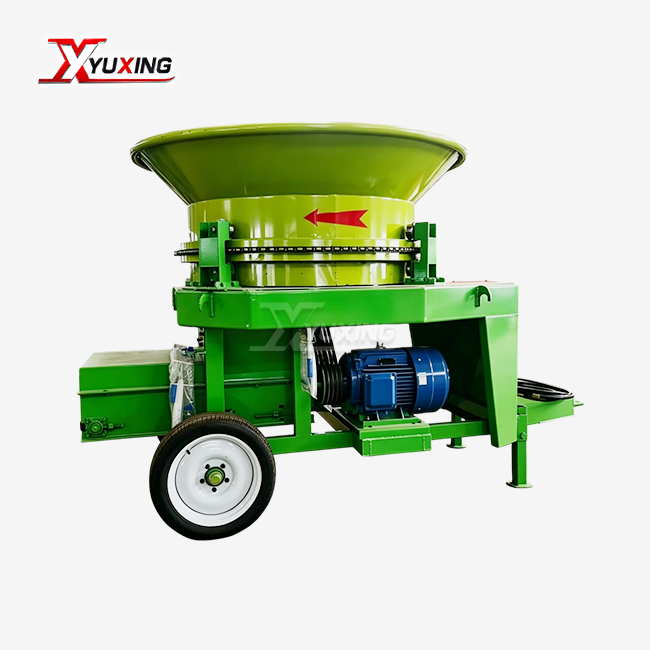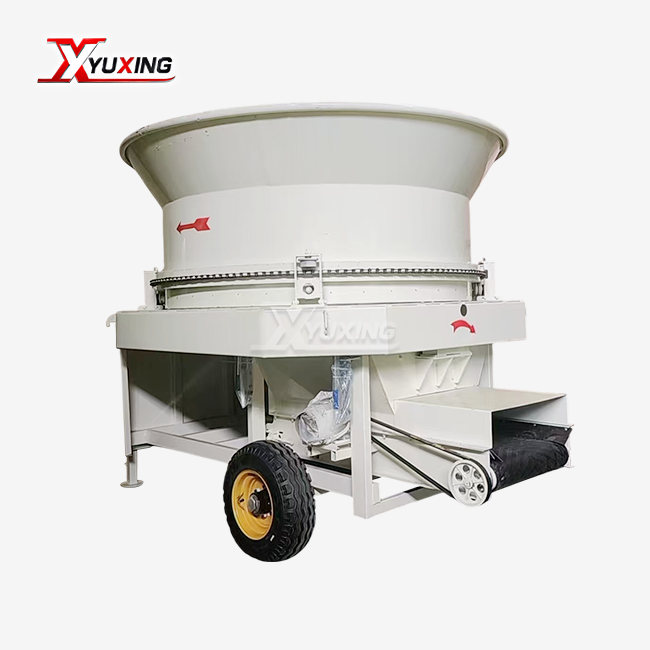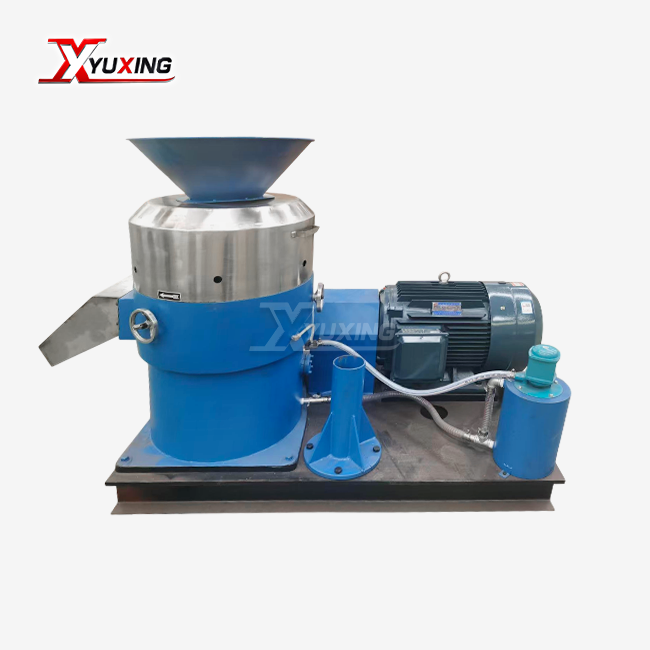



_1782098484336.webp)
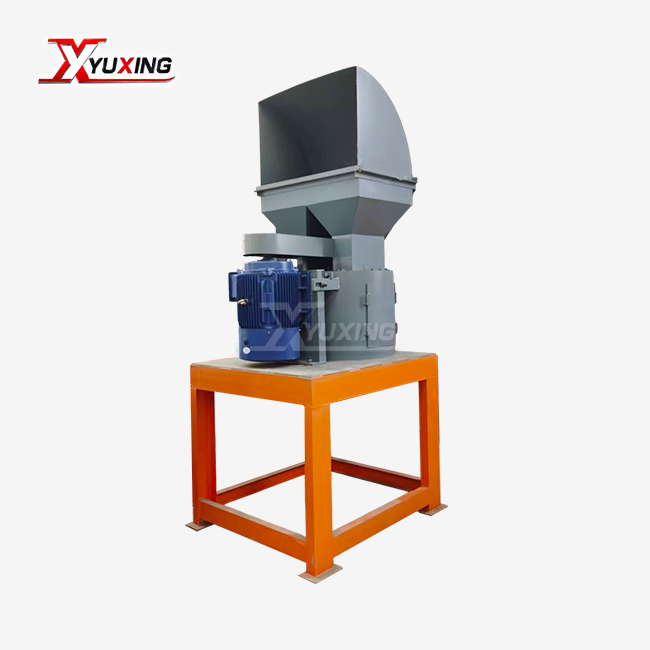
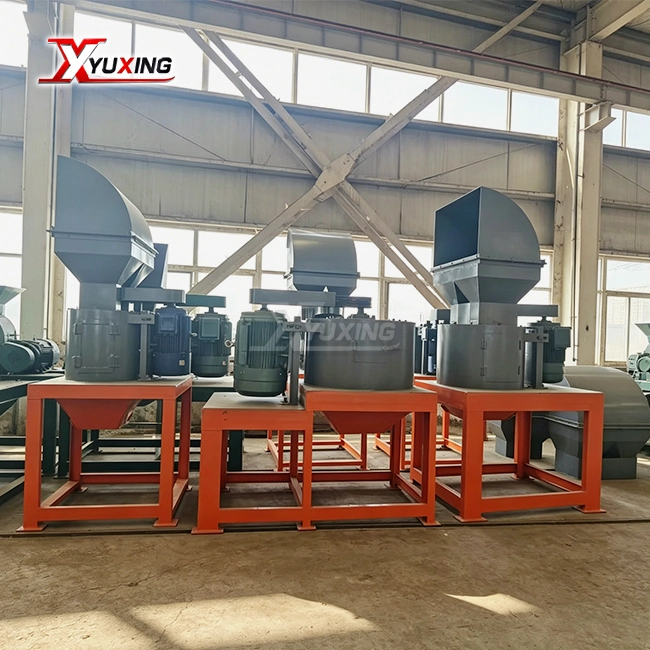
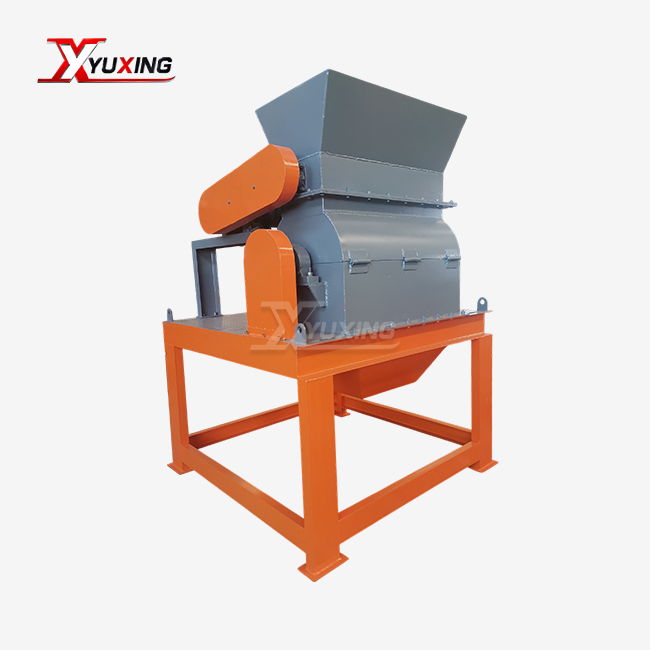
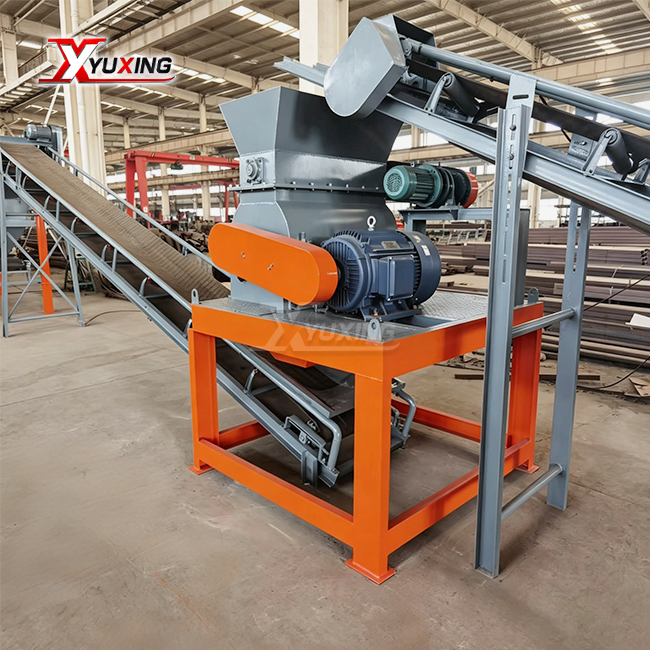
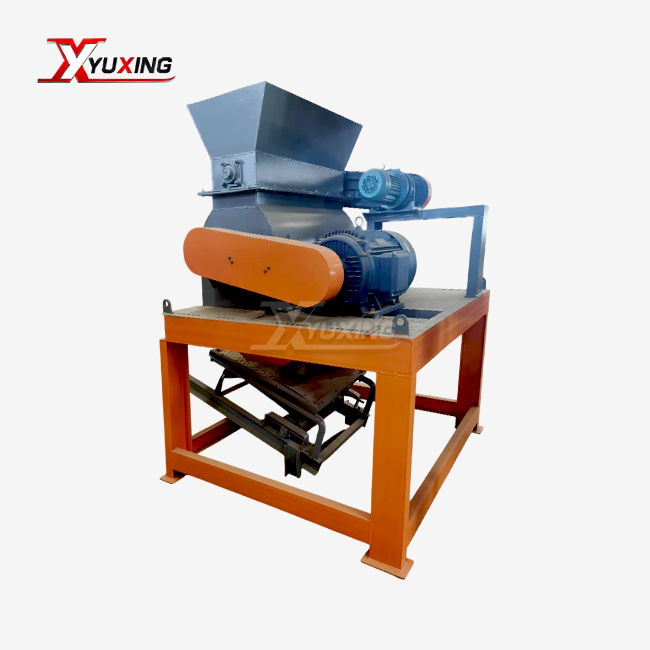
Manure Crusher Machine
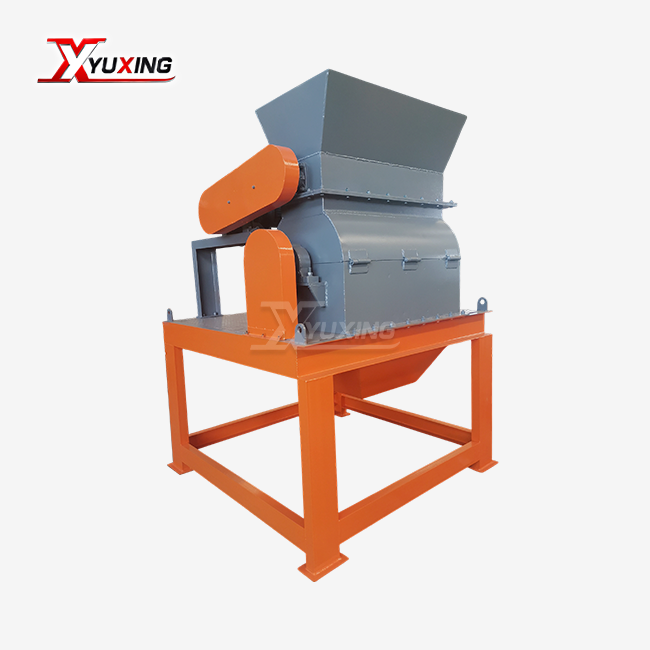
Product Name: Vertical Crusher
Power: 37kW
Crushing Capacity: 6-10T/H
Blade Type: Quenched Crushing Blades
Maintenance Design: Observation Window
Feed Inlet: Double Feed Inlet With Protective Cover
- Product Description
Professional Manure Crusher Machine for Efficient Organic Fertilizer Production
After composting, fermented materials cluster together. You need a trustworthy way to make them homogeneous. Yuxing's 37kW motor and 6-10T/H crushing capabilities make the YXFS-800-LS Manure Crusher Machine industrial-grade. Quenched blades with Rockwell hardness over 55-60 HRC allow this vertical crusher to handle organic materials with 40-50% moisture without clogging.
We use twin feed inlets with caps for safe, uninterrupted operation. The observation window maintenance design provides fast inspections without production disruption. Yuxing offers CE and ISO certified fertilizer equipment solutions with continuous technical support, leveraging 20+ years of experience in 50+ countries.
What is a Manure Crusher Machine?
A Manure Crusher Machine is an industrial pulverizing unit specifically designed for organic waste processing in fertilizer production facilities. It breaks down fermented or raw materials—including poultry, cattle, and pig manure—into fine, uniform particles suitable for granulation.
This equipment solves critical challenges you face daily. Material caking after fermentation disrupts your production flow. Inconsistent particle sizing reduces granulation quality. High-moisture organic matter causes frequent equipment failures.
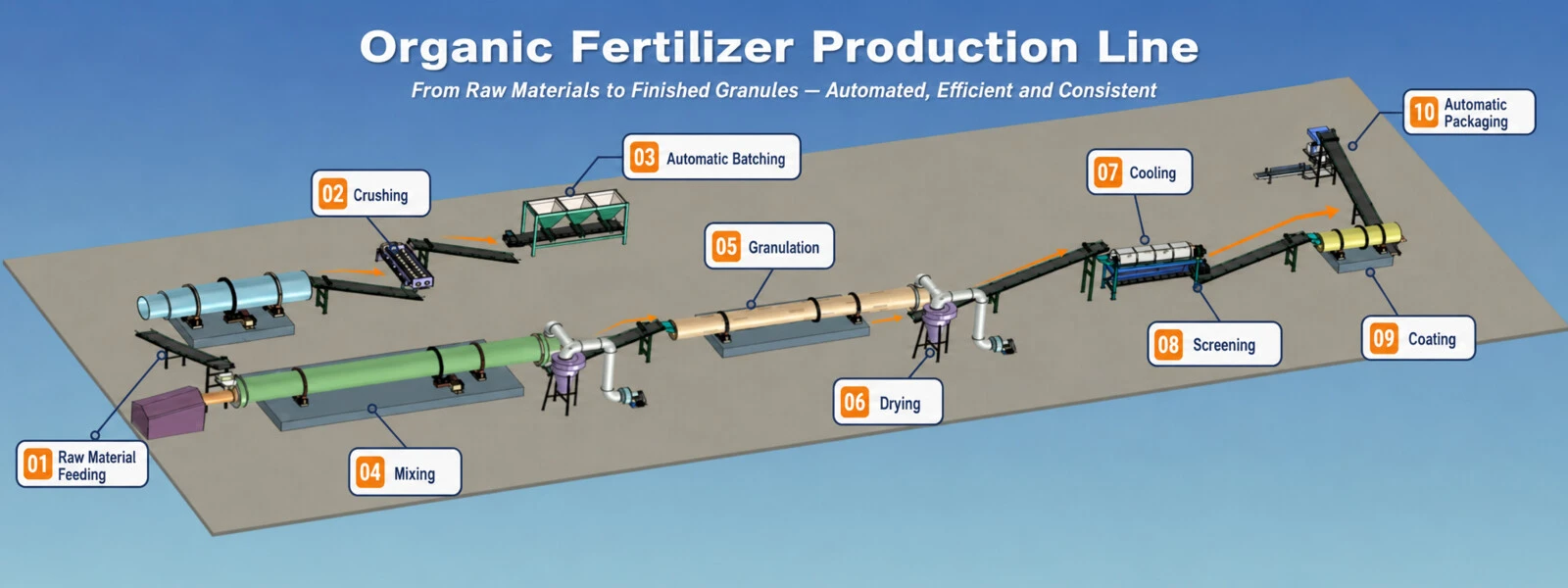
Our vertical crusher transforms bulky, clumped waste into high-quality substrate ready for disc or drum granulators. The high-speed rotating blade system ensures smooth downstream processing while maintaining the biological content of your organic materials.
Key Properties and Technical Advantages
The robust structural integrity of our crusher withstands corrosive fertilizer production environments. The high-alloy, wear-resistant blade system maintains cutting efficiency throughout extended production cycles.
Our dynamic balance rotor design minimizes vibration during operation. This protects your bearings and extends equipment lifespan beyond 5,000 operational hours before major component overhaul becomes necessary.
You can adjust the clearance between blades and the liner to control discharge fineness. This flexibility lets you optimize output for specific granulation requirements without equipment replacement.
The anti-corrosive internal coating resists ammonia and sulfuric compounds naturally present in manure. Higher-tier configurations feature manganese steel or stainless steel liners with specialized industrial coatings for maximum chemical resistance.
The no-sieve-plate design in our semi-wet model prevents clogging when processing materials with 40-50% moisture content. High-speed impact and centrifugal force replace traditional screening methods.
How Manure Crusher Machine Works
The crushing process begins when you feed material through the double inlet system. Protective covers prevent foreign objects from entering while maintaining continuous flow.
Material enters the crushing chamber where it encounters high-speed rotating blades. The quenched blades strike organic clumps with tremendous force, breaking molecular bonds and separating caked particles.
Centrifugal force drives material outward against the chamber walls. The adjustable clearance between blades and impact plates determines final particle size, typically achieving fineness below 2-3mm.
The dynamic balance rotor maintains stable rotation at high RPMs. This prevents thermal degradation of biological content while ensuring consistent particle uniformity across your production batch.
Crushed material exits through the discharge outlet as fine, uniform particles. The observation window lets your operators monitor internal conditions and blade wear without stopping production.
Variable frequency drive (VFD) technology allows you to adjust rotor speed based on material characteristics. Higher speeds produce finer particles; lower speeds accommodate fibrous materials requiring gentler processing.
Technical Specifications
| Parameter | Specification |
|---|---|
| Model | YXFS-800-LS |
| Product Name | Vertical Crusher |
| Power | 37kW |
| Crushing Capacity | 6-10T/H |
| Blade Type | Quenched Crushing Blades |
| Blade Hardness | HRC 55-60 |
| Moisture Tolerance | 40-50% |
| Feed Inlet | Double Feed Inlet With Protective Cover |
| Maintenance Design | Observation Window |
| Service Life | >5,000 operational hours |
| Output Fineness | <2-3mm |
| Certifications | CE, ISO 9001 |
Primary Application Scenarios
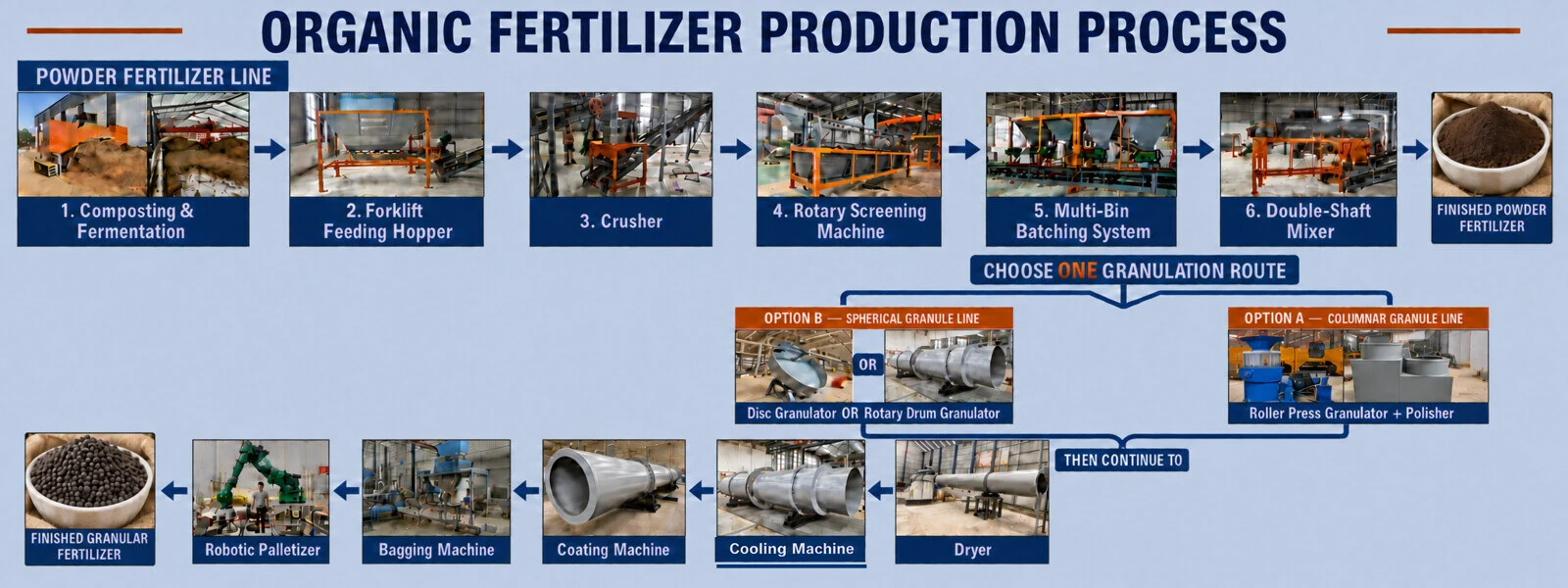
This device is used for secondary crushing in commercial organic fertilizer factories after aerobic fermentation. You get material fineness below 3mm, needed for high-end granulation operations that require substrate uniformity.
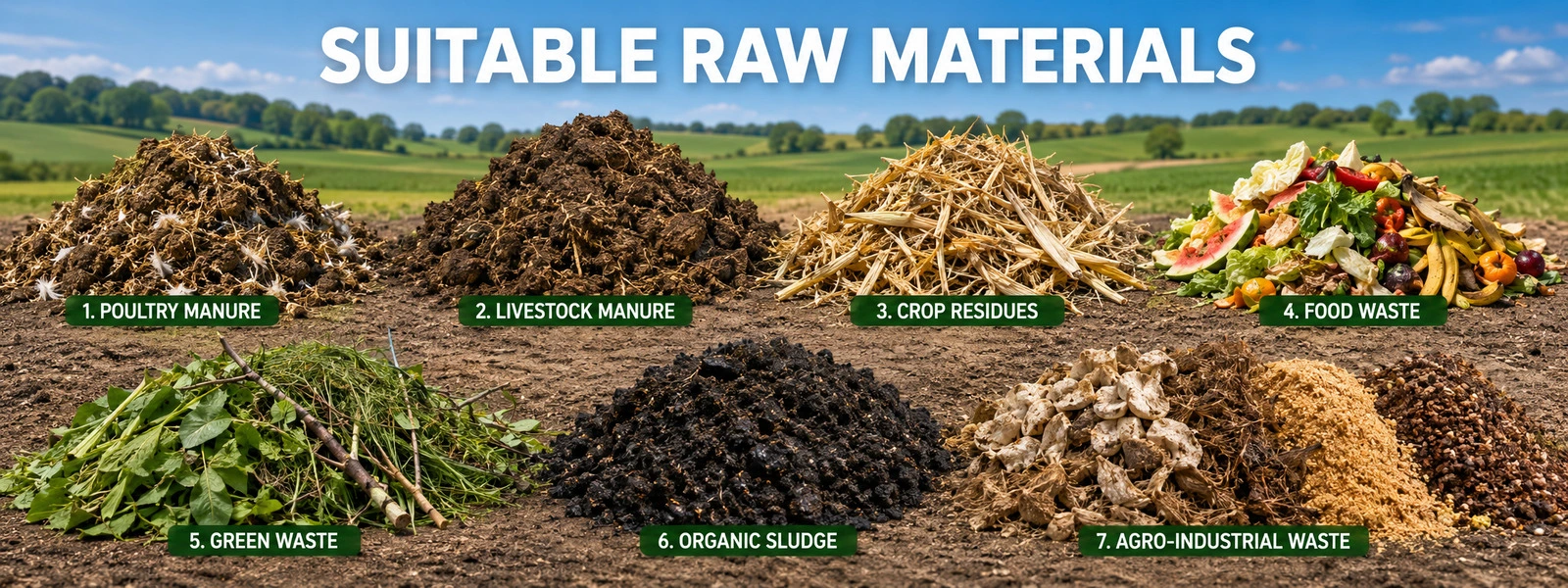
Large animal farms treat poultry and cow manure on-site. Volume reduction prepares bedding or soil amendment materials. Despite heavy humidity, the barn doesn't affect crushing efficiency.
Farm waste recycling plants manage complicated manure and residue combinations. Your facility may mix chicken excrement with rice husks or animal dung and straw. Fibrous and sticky organic waste are processed without performance deterioration by the high-torque setup.
Organic crushed materials are mixed with minerals to make compound fertilizer. A uniform particle size guarantees homogenous mixing ratios and constant granule quality in your product.
Bio-organic fertilizer producers reduce size without compromising biological content. Controlled crushing doesn't heat soil health microorganisms.
Quality Control and Assurance
Our quality assurance protocols focus on operational reliability you can measure. Rotor dynamic balance testing ensures zero-eccentricity at high RPMs, preventing premature bearing failure that causes unexpected downtime.
Spectrographic analysis verifies hammerhead composition. We confirm high-chromium alloy content meets specified hardness requirements before assembly. This guarantees wear parts typically last 600-1,000 hours depending on your material characteristics.
Every unit undergoes 72-hour continuous load testing. We verify motor thermal stability and measure shell vibration levels under maximum capacity conditions. Your equipment arrives ready for immediate high-intensity production.
Salt spray testing validates exterior finish durability. Chemical resistance checks on interior liners confirm they withstand the acidic nature of decomposing manure. These tests simulate years of exposure to corrosive fertilizer production environments.
Fineness yield rate testing measures the percentage of output meeting the <2mm threshold under varying moisture levels. We document performance across different material conditions so you understand capabilities before installation.
Maintenance and Longevity
Weekly lubrication of main bearings prevents friction-related wear. This simple procedure takes minutes but significantly extends component lifespan and maintains crushing efficiency.
Daily inspection of hammerhead bolts ensures safe operation. Vibration during crushing can gradually loosen fasteners. Your operators quickly verify security before starting production shifts.
The observation window maintenance design provides visual access to internal conditions. You monitor blade wear progression and schedule replacement before performance degrades, preventing quality issues in your finished fertilizer.
Adjustable blade clearance extends useful life of wear components. As blades gradually thin from abrasion, you compensate by reducing clearance to maintain discharge fineness without immediate replacement.
Our lifetime technical support includes production optimization guidance. As your operation evolves, we help adjust crusher parameters for new material types or capacity requirements.
FAQ
Q: How does the machine handle material with over 40% moisture?
A: Professional semi-wet models utilize a no-sieve-plate design to prevent clogging, relying on high-speed impact and centrifugal force instead of traditional screening methods.
Q: What is the typical lifespan of the wear parts?
A: Hammerheads typically last 600-1,000 hours depending on the abrasiveness of the manure and secondary impurities like sand or small stones in your feed material.
Q: Can the output particle size be adjusted?
A: Yes, by adjusting the rotor speed via VFD or changing the clearance between the blades and the impact plate, you control fineness from coarse to ultra-fine specifications.
Q: Is the machine resistant to the ammonia and sulfuric acid in manure?
A: Higher-tier units feature manganese steel or stainless steel liners and specialized industrial coatings to prevent chemical corrosion from acidic organic compounds.
Q: What maintenance is required to prevent downtime?
A: Weekly lubrication of the main bearings and daily inspection of the hammerhead bolts are critical to ensure safety and performance stability throughout production cycles.
Contact Us
Ready to upgrade your fertilizer production line with Manure Crusher Machine? Our engineering team provides comprehensive support from plant layout design to turnkey installation.
Contact us today at yuxing@hnyxmachinery.com for personalized consultation and technical specifications tailored to your production requirements.

USER EVALUATE
Get your tailored fertilizer plant solution — contact us today.